Last updated November 21, 2026
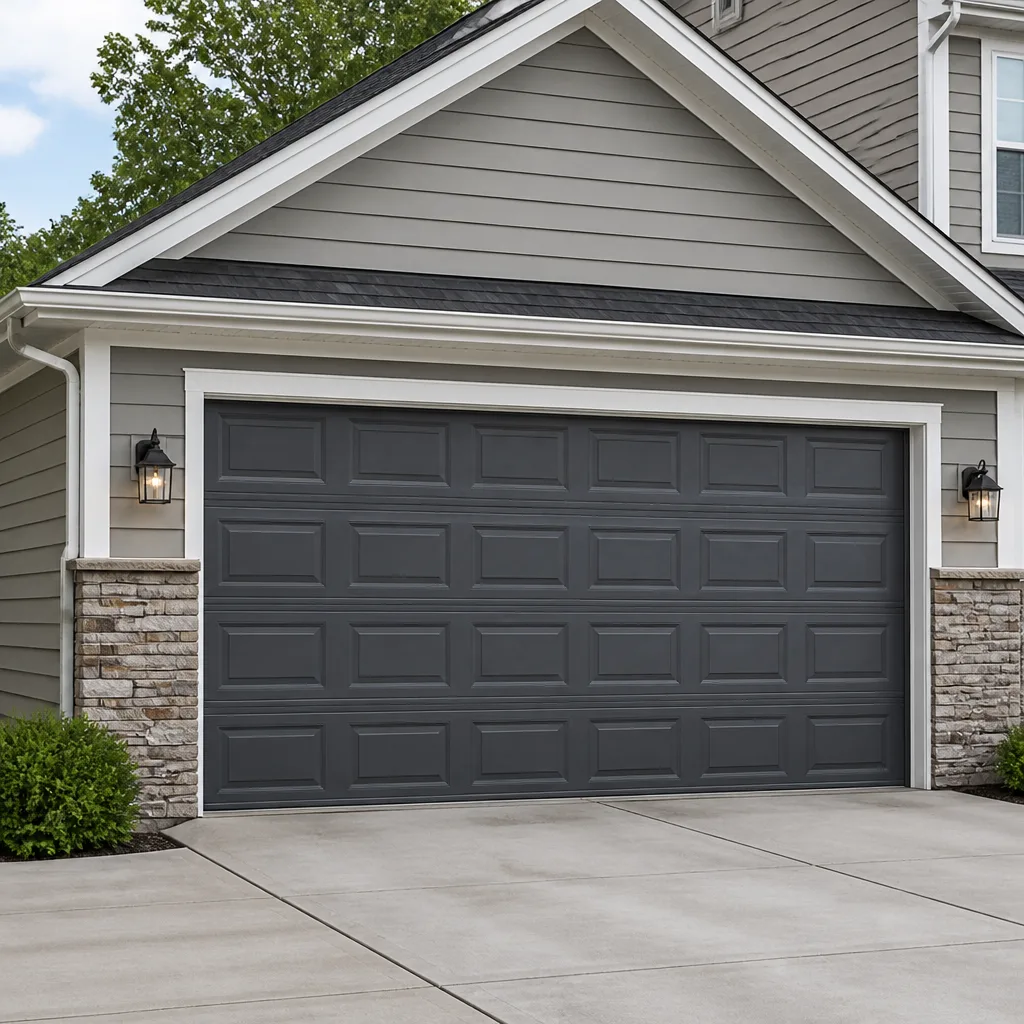 Raised-panel steel
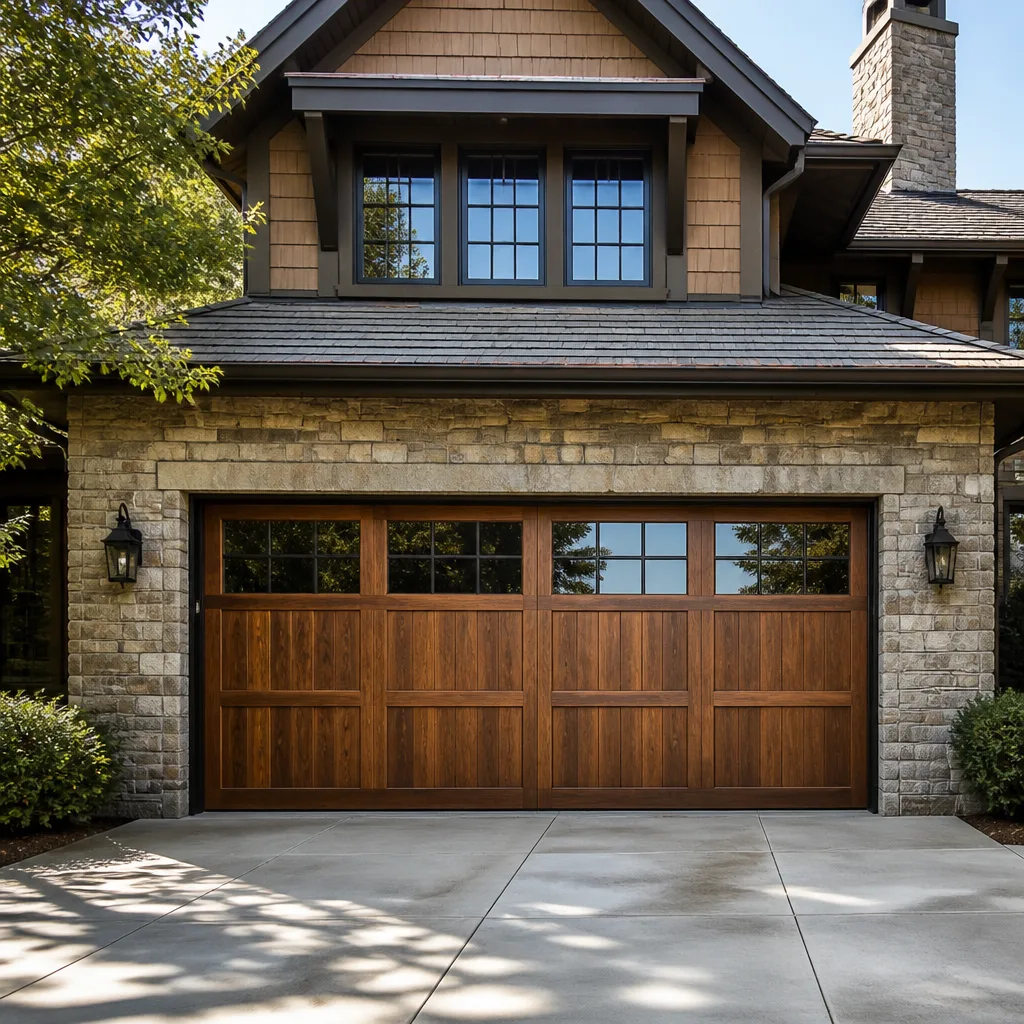 Carriage house
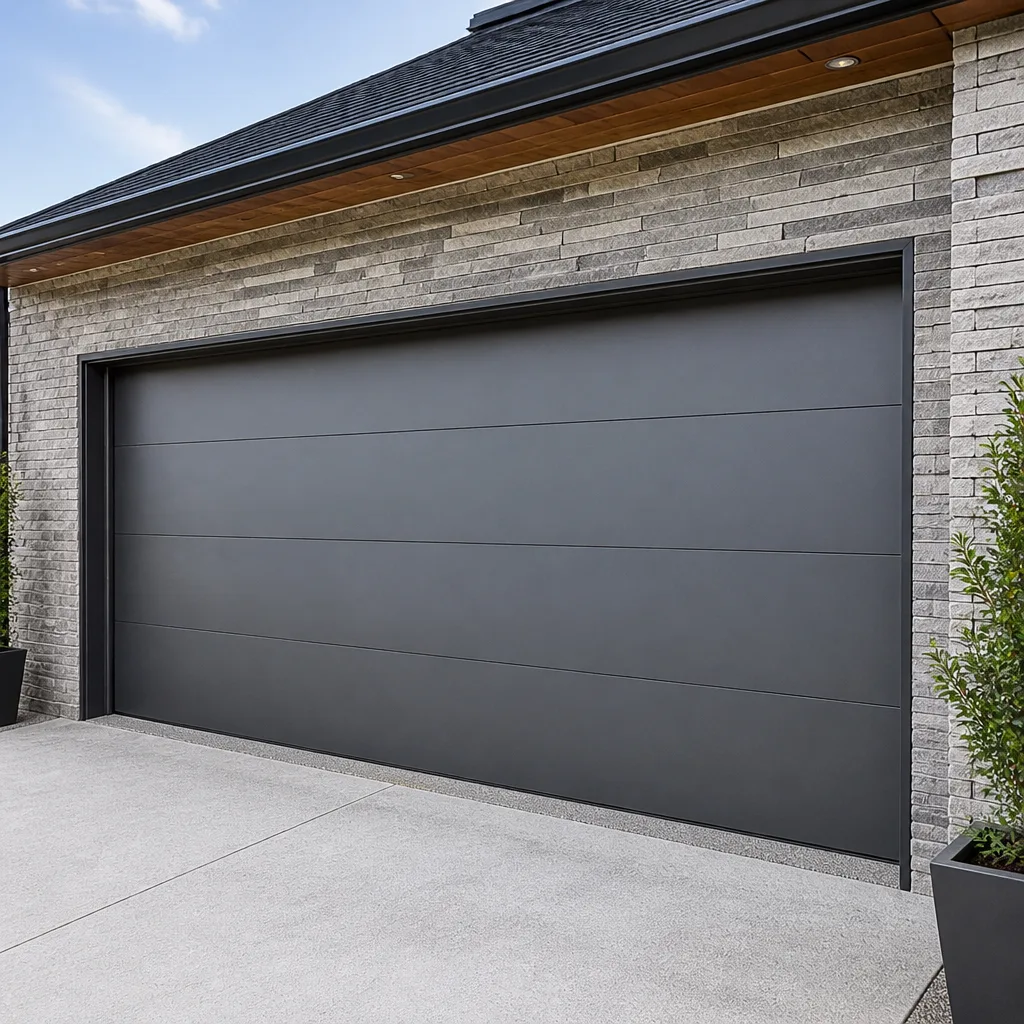 Modern flush
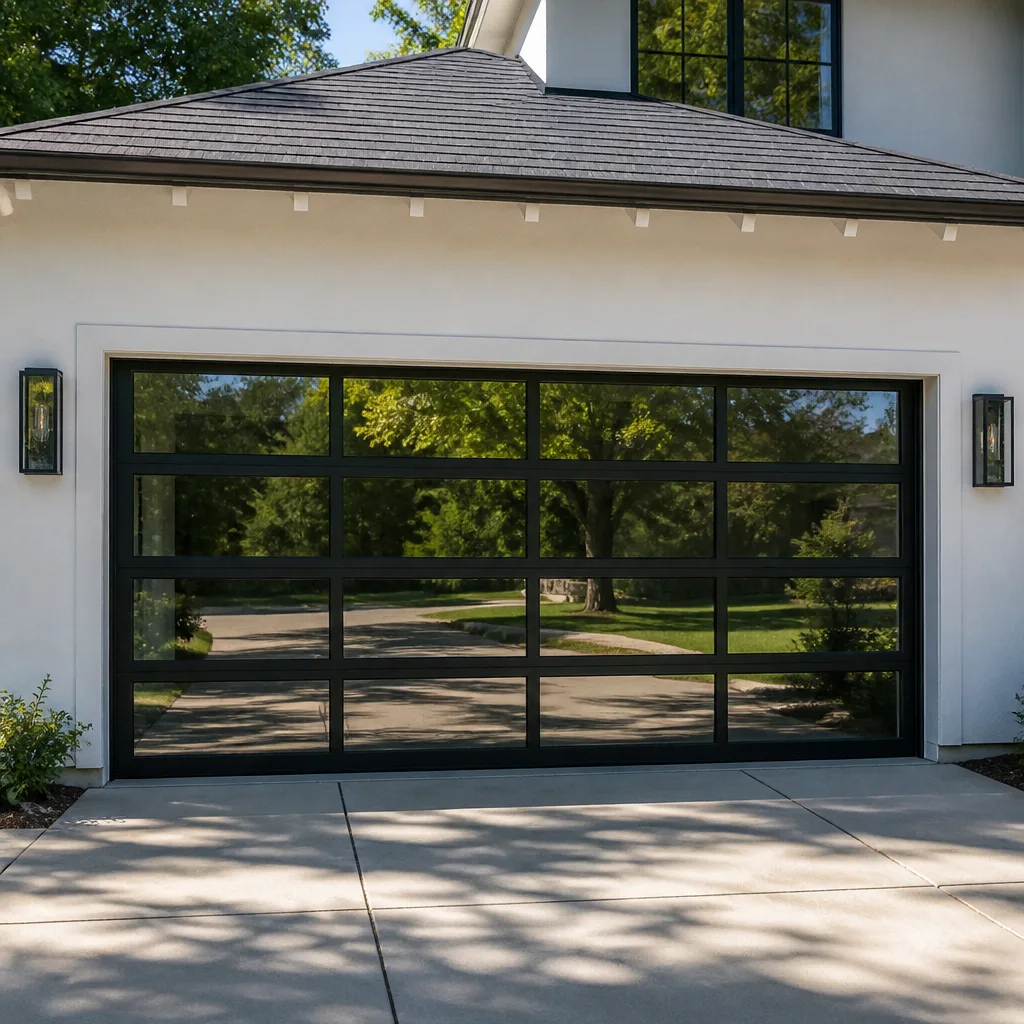 Full-view glass
 LiftMaster openers
 Chamberlain openers
Full 25-point door and opener safety check with every visit - springs, cables, rollers, tracks, and your LiftMaster or Chamberlain opener included
You get a price before we start. It does not change when the pro arrives.
Get your free estimateGarage Door Warning Signs: A St. Louis Hills Homeowner’s Reference Guide
A door that takes two seconds longer to open than it did last month isn’t “getting old.” It’s a measurable symptom, and it usually points to one of four specific mechanical problems. Two of those problems will strand your car inside the garage within about 60 days if you ignore them. The trouble is that most homeowners never learned what a failing door looks like in the early stages, so they only call once something has already snapped. This guide changes that. You’ll learn how to read the sounds, the movement, and the opener’s own behavior as diagnostic signals, then sort what you find into three piles: call today, call this week, or just keep an eye on it. We’re writing this from St. Louis Hills, where brick garages, mature trees, and decades of freeze-thaw cycles create a few local patterns worth knowing.
Quick Answer
The most important garage door warning signs are a door that moves unevenly or hesitates, a grinding or popping sound during operation, visible gaps or fraying at the springs and cables, and an opener that reverses unexpectedly or flashes error codes. Any symptom involving springs, cables, or a door that drops or won’t stay up is urgent and needs same-day service. Slower, purely cosmetic issues can usually wait a week or more. When in doubt, treat grinding, popping, and uneven travel as a sign to stop operating the door and get it looked at.
Styles & brands we work with
- Raised-panel steel
- Carriage house
- Modern flush
- Full-view glass
- LiftMaster openers
- Chamberlain openers
Table of Contents
- What Your Door’s Sound Is Telling You
- The Visual Inspection: Cables, Rollers, and Springs
- Speed, Movement, and Balance Problems
- Reading Your Opener’s Behavior as a Diagnostic Tool
- The Urgency Triage: What’s Same-Day, What Waits
- How St. Louis Hills Weather Accelerates Wear
- What Repairs Typically Cost and Why the Quote Holds
- Common Mistakes to Avoid
What Your Door’s Sound Is Telling You
Sound is the fastest diagnostic tool you have, and it’s free. Every garage door makes some noise, so the useful skill isn’t noticing that it’s loud. It’s noticing that it changed. In our experience, a door that has started making a new sound is telling you which component is under stress. Here’s how to translate what you hear.
- Grinding usually means metal is dragging on metal. The common culprits are dry or worn rollers, a track that has shifted slightly, or a torsion tube that needs lubrication. Grinding that appears suddenly and is loud tends to point to a roller that has seized or a bent track.
- Scraping is a softer, dragging sound and often comes from a section rubbing the track, a hinge that has bent, or a panel that has warped enough to foul the frame. Scraping tends to be cosmetic at first and mechanical later.
- Popping or a sharp bang is the sound to respect most. A single loud pop during operation often means a torsion spring has broken or is about to. A popping that repeats through the travel can mean a cable has jumped a drum. Either one is a call-today symptom.
- Rattling is usually loose hardware: hinges, bolts, or the opener’s rail mounts working themselves loose over time. It’s the most forgiving of the four and often the cheapest to fix.
One habit worth building: stand in the garage and listen to a full open and close cycle once a month. You’ll learn your door’s normal voice, and the change will be obvious when it comes. If St. Louis Hills’ freeze-thaw swings have already produced a new grind, that’s a good moment to schedule garage door repair before a small wear item turns into a bigger job.
The Visual Inspection: Cables, Rollers, and Springs
You can spot most failures before they happen with a flashlight and two minutes. Look at three things in particular: cables, rollers, and springs. Do this with the door fully closed and the opener disconnected if you can, and never put your hands anywhere near a cable under tension or inside a spring coil.
Cables fray in stages
A cable fails in a predictable order, which is what makes it catchable. First the strands start to separate and you’ll see a few broken wires poking out near the drum or the bottom bracket. Later, the cable develops a visible kink or birdcage where the strands have unlaid. By the final stage the cable looks thin and fuzzy along its length, and that’s the point where it’s about to let go. Any fraying at all is worth a professional look, because a snapping cable on a loaded door is dangerous.
Rollers wear in patterns
Rollers are cheap parts that fail in visible ways. Steel rollers can develop flat spots that make the door jolt. Nylon rollers develop a wear pattern where the edge thins and the roller starts to wobble in the track. If you see a roller that has stopped turning and is sliding instead, or one that’s visibly off-center in its bracket, that’s your grinding source.
Springs tell you before they break
Torsion springs sit on a bar above the door; extension springs run along the sides. On torsion springs, look for a visible gap in the coil, usually at the end near the winding cone. A gap means the spring has already broken. On extension springs, look for a stretched, sagging shape and a safety cable that’s come loose or is missing.
Springs are the most dangerous component in your garage door system, and this is the one area where a visual check should replace a hands-on inspection. A torsion spring holds hundreds of pounds of stored force. Never attempt to adjust, wind, or remove one yourself. A trained technician with the right winding bars does this safely; the wrong move can cause serious injury. If you find a broken spring, stop operating the door and call for same-day service. Our garage door repair St. Louis Hills team treats spring work as its own dedicated service for exactly this reason.
Speed, Movement, and Balance Problems
Movement is where the earliest warnings show up, long before anything makes noise. A door that used to glide and now hesitates at the halfway point is telling you that something in the balance system has changed. Here’s how to read the movement symptoms.
- Hesitation at the start or mid-travel. A door that pauses briefly before moving, or stalls around the middle of the opening, usually has a spring that has lost tension, a roller binding in the track, or an opener that’s working harder than it should against a door that’s no longer balanced.
- Shaking and shuddering. If the door vibrates visibly as it travels, look at worn rollers, a bent track, or a torsion bar that’s slightly out of level. Shaking accelerates wear on every other part it touches.
- Uneven rise. One side of the door rising faster than the other points to a mismatched spring pair, a stretched cable on one side, or a track that has shifted. This is a call-this-week symptom at minimum, because an uneven door puts asymmetric stress on the panels.
- A door that won’t stay up. If you disengage the opener and the door won’t hold its position when you lift it partway, the springs have lost their lift or one has failed. Don’t keep operating it.
- A door that slams down. A door that drops faster than it used to has lost spring tension or has a cable problem. This is the symptom we’d take most seriously after a broken spring.
There’s a simple balance check you can do safely: with the door closed, pull the emergency release to disconnect the opener, then lift the door by hand about halfway and let go. It should stay roughly where you left it. If it drifts down on its own or shoots up, the springs are out of balance and the door needs professional adjustment. In St. Louis Hills, where many garages are older brick construction that settles seasonally, we see balance issues show up more often after a hard winter than a mild one.
Reading Your Opener’s Behavior as a Diagnostic Tool
Your opener is reporting on the door every time it runs, and most homeowners read those reports as random glitches. They aren’t. Modern openers from LiftMaster, Chamberlain, and Genie are built with sensors that watch travel, force, and safety reversal, and the behavior you see is the opener translating what it knows. Here’s how to read it.
- Light flash patterns. When an opener trips its safety sensor or its force limit, it usually signals with a specific number of flashes on the light or an LED indicator. The count is a code, not a random blink. It usually points you to either the safety beam alignment or a door that’s binding and exceeding the opener’s force limit. On most brands the exact meaning is in the manual, and we’re factory-familiar with the major ones so we can read it directly.
- Reversal behavior. An opener that reverses before it fully closes is usually seeing an obstruction. Sometimes that’s a misaligned photo-eye at the bottom of the track. Sometimes it’s a door that’s binding enough that the opener reads it as a block. Persistent reversal is an obstruction or force signal, not a quirk.
- A door that closes then pops back open. That’s a safety-sensor issue far more often than an opener failure. A single leaf, a spider web, or a slightly knocked photo-eye can do it.
- A remote that only works close up. That’s usually a battery, an antenna wire, or a frequency interference issue, not a dead opener. Worth a cheap check before you replace the whole unit.
In our experience, roughly half of the “my opener is failing” calls we get resolve to a door that’s binding, a sensor that’s out of alignment, or a force-limit setting that’s out of step with how the door actually moves. An opener that strains against a stiff door will eventually fail from the strain, so fixing the door is what saves the opener. If your opener is sending signals, start with garage door opener repair so the whole system gets diagnosed rather than a single part getting swapped.
The Urgency Triage: What’s Same-Day, What Waits
The hardest part of noticing a warning sign is knowing what to do with it. Here’s how we’d sort the symptoms you’ve just read about, from stop-operating-now to just-keep-watching.
Call today (stop using the door)
- A visible gap in a torsion spring or a spring that has visibly broken.
- A door that drops hard, slams, or won’t stay up when lifted by hand.
- Frayed, kinked, or birdcaged cables, or a cable that has come off its drum.
- A popping or banging sound during operation that wasn’t there before.
- A door that’s off its track or a roller that has come out of the track.
- An opener that reverses repeatedly and closes on nothing.
Every one of these symptoms involves the lift system or the safety system, and every one of them is a same-day call. Springs, cables, and tracks are exactly where a warning sign becomes an injury if it’s left. Calling the day you notice it is almost always cheaper than calling after it fails.
Call this week
- Grinding that has started or gotten louder.
- Uneven travel or visible shaking during the cycle.
- A door that hesitates at the midpoint.
- Rollers that have visibly stopped turning.
- Loose hinges or hardware that rattle on every cycle.
These wear symptoms get more expensive the longer they run. A binding roller wears the track; a worn track loads the opener; the loaded opener fails a year early. Fixing the small item first is the cheaper path almost every time.
Monitor and plan
- Rattling that’s clearly loose hardware.
- Cosmetic scuffs, minor dents, and weathering on the panels.
- A door that’s noisier than it used to be but still balanced.
- An opener that’s slow but consistent.
These are the ones to note and watch. If any of them start to slide toward the “call this week” list, that’s your signal to schedule. If you’re not sure which list your symptom belongs to, describe it over the phone and we’ll tell you straight.
How St. Louis Hills Weather Accelerates Wear
Garage door components don’t wear at the same rate everywhere. The climate and the housing stock in St. Louis Hills put specific stress on specific parts, and knowing which ones helps you inspect in the right places.
St. Louis Hills sits in a stretch of the country that sees real seasonal swings: warm, humid summers and cold winters with substantial freeze-thaw action. That cycle is hard on any component that expands and contracts, and the garage door system is full of them. The torsion springs cycle through tension much more than the door’s actual use would suggest, because temperature change alone works the metal. The drum, the tube, and the bearings experience the same load every time the temperature moves. That’s why a spring failure after a cold snap is so common.
Humidity in the summer is the other half. Metal parts in an unheated, uninsulated garage – which is most of them in St. Louis Hills – see condensation on cool mornings, and that moisture accelerates rust on the cable, the springs, the hinges, and the steel rollers. Painted steel panels can capture moisture along the bottom where they contact the ground or the weather seal. Wood-framed garages with older doors benefit from a fresh coat of lubricant on the moving parts as seasons turn.
The brick construction that’s common in St. Louis Hills garages is durable, but the mortar and framing around the door opening can shift subtly over decades. A track that was straight when it was installed can drift slightly, and that drift shows up as a binding roller, a panel that scrapes, or a door that doesn’t close evenly. That’s not a garage door failure so much as a house settling issue, and a technician who knows the neighborhood can spot it fast.
If you’re noticing any of these localized patterns, the garage door installation page covers replacement options in detail. But most of what we see in the neighborhood is fixable wear, not a “replace it now” situation. Knowing the difference saves money.
What Repairs Typically Cost and Why the Quote Holds
In St. Louis Hills, most warning-sign repairs fall into a modest range, and the number you agree to before work starts is the number you pay. Here are typical estimated ranges for common jobs, so you can plan before you call.
- Roller replacement: typically $120-$250 for a full set, depending on door size and roller type.
- Track realignment or minor track repair: typically $150-$300 for one track.
- Spring repair, one torsion spring: typically $180-$340 per spring, depending on door size and cycle rating. A matched pair is usually replaced together, so a pair costs about twice a single-spring price.
- Cable replacement: typically $140-$280 per cable.
- Hinge and hardware tightening or replacement: typically $100-$200.
- Opener sensor alignment or limit adjustment: typically $100-$200.
- Balance adjustment: typically $120-$250.
Those are estimates, not a firm price. The written estimate you receive once the technician has looked at the door sets the final price, and it’s quoted and agreed before any work starts. If the diagnosis turns out to be different from what you described over the phone, we tell you why and adjust the quote in writing before touching the door. The price doesn’t change after the work begins.
Untreated warning signs cost more than they look. A binding roller slowly wears the track. A worn track loads the opener. A loaded opener fails years early. The chain of small costs runs longer than the original symptom suggested, which is why the cheap fix first is almost always the right call. Call (833) 991-7150 for a free estimate in St. Louis Hills.
Common Mistakes to Avoid
- Oil the moving parts, not the tracks. Lubricant on the tracks can cause the rollers to slide instead of roll and make the problem worse. Use the right lubricant on the rollers, hinges, and springs, and leave the tracks clean.
- Ignoring the opener’s flash code. Many homeowners treat a blinking light as a mystery. It’s a code, and reading it saves a service call by pointing you at the right problem.
- Adjusting a torsion spring yourself. This is the one mistake with real injury potential. Springs store enormous force and require winding bars and training. Never wind, unwind, or loosen a torsion spring or touch a cable under tension.
- Treating a slow, uneven door as “just age.” A change in speed or level of travel is a symptom, not a personality. It tends to precede failure rather than trail it.
- Replacing an opener when the door is the problem. A new opener bolted onto a binding door will fail early. Diagnose the door first.
- Skipping the balance check after a hard winter. St. Louis Hills freeze-thaw cycles are the surest spring-test the year offers. Check balance in spring, not after the door fails.
- Not checking the hard-to-see parts. Cables fail near the drum and the bottom bracket, not in the middle where they’re visible. Get a flashlight near the drum and look at what’s under tension without touching it.
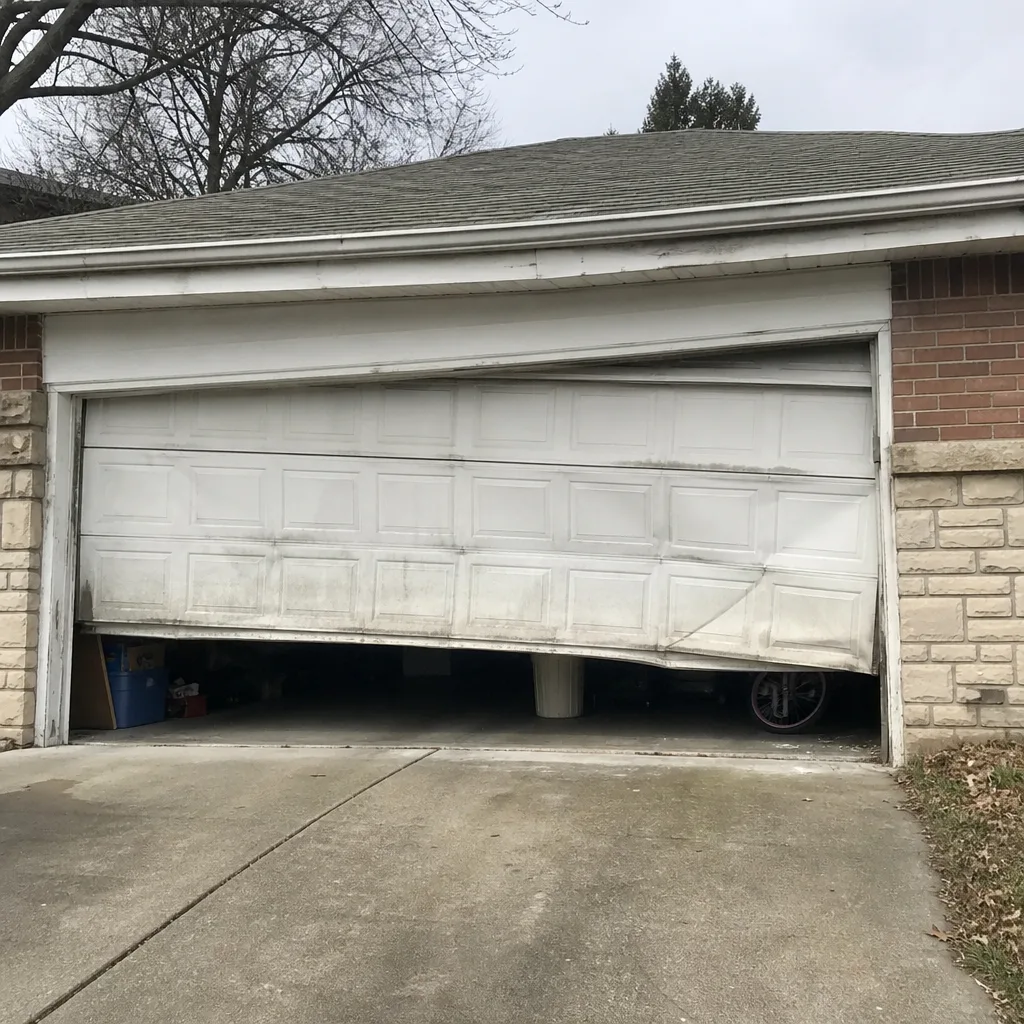
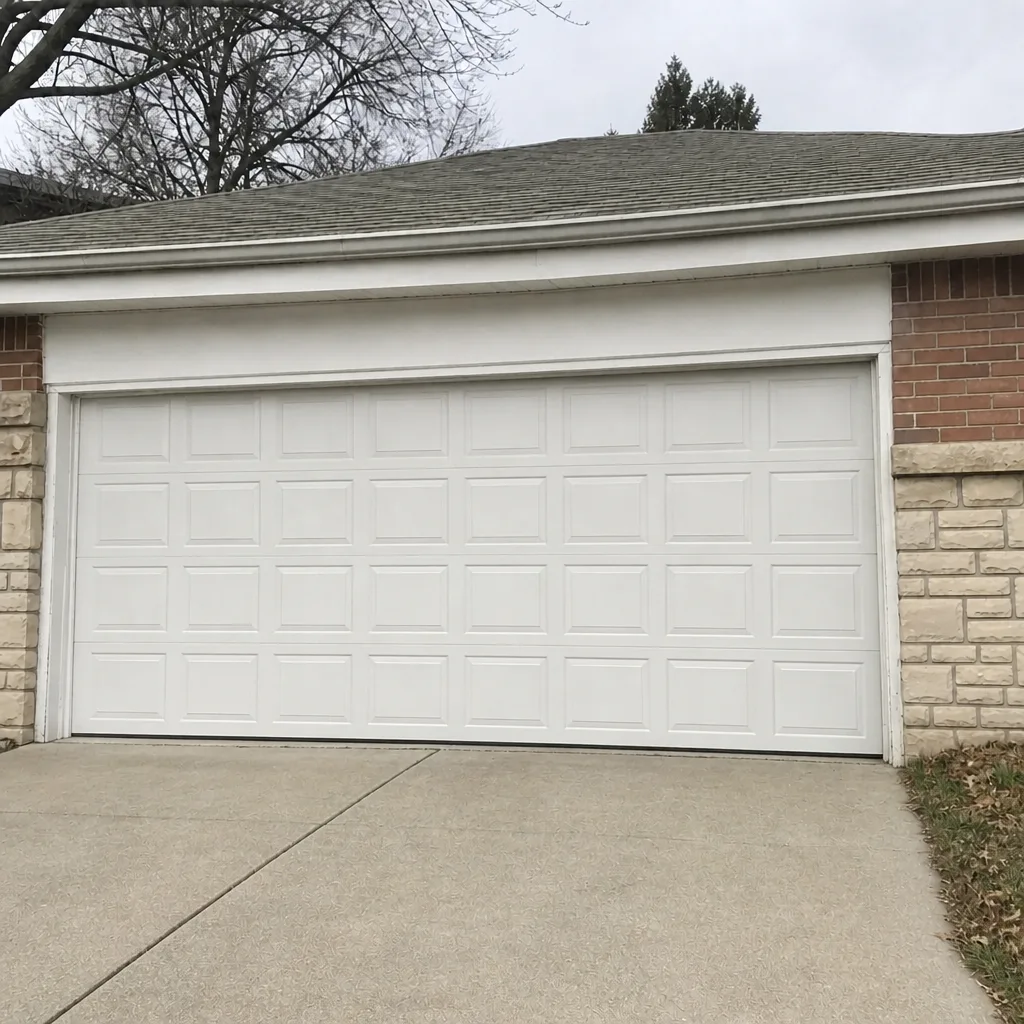
See the difference
 Before
 After
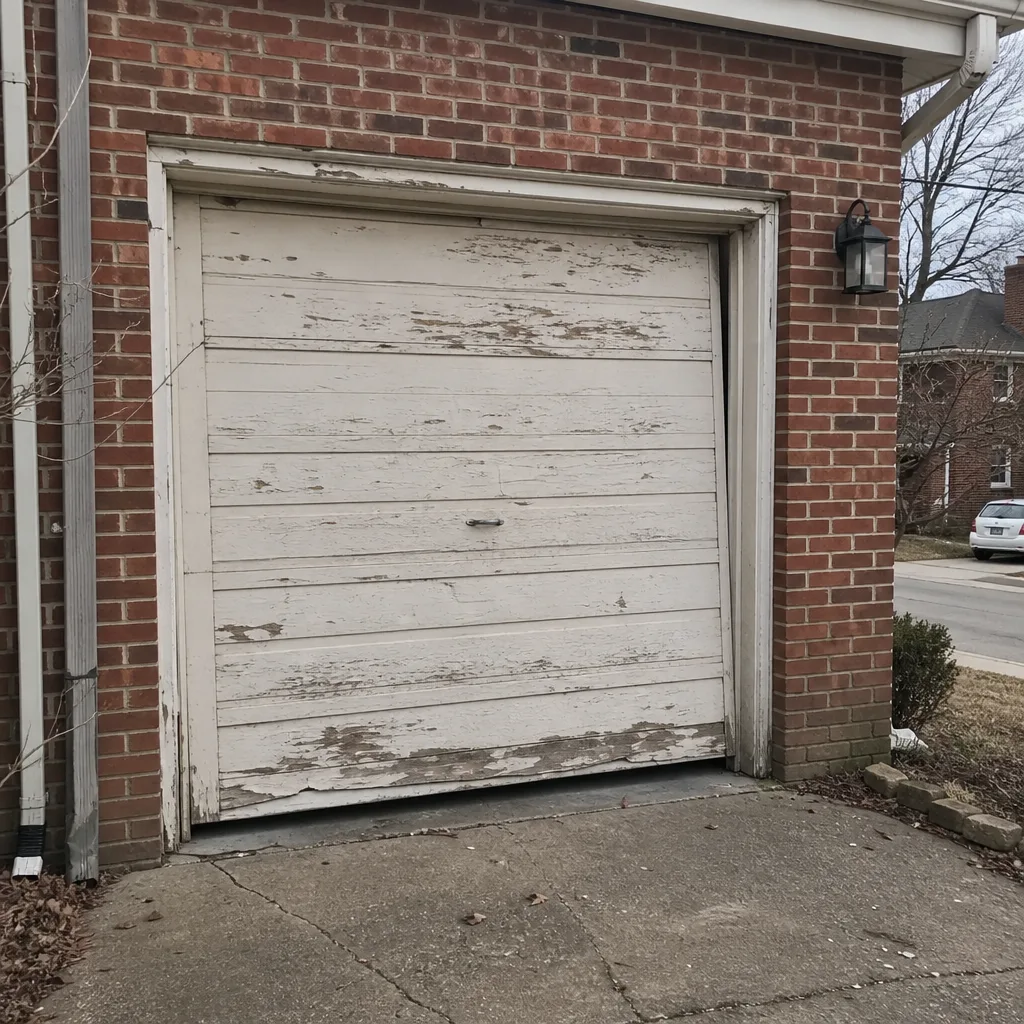 Before
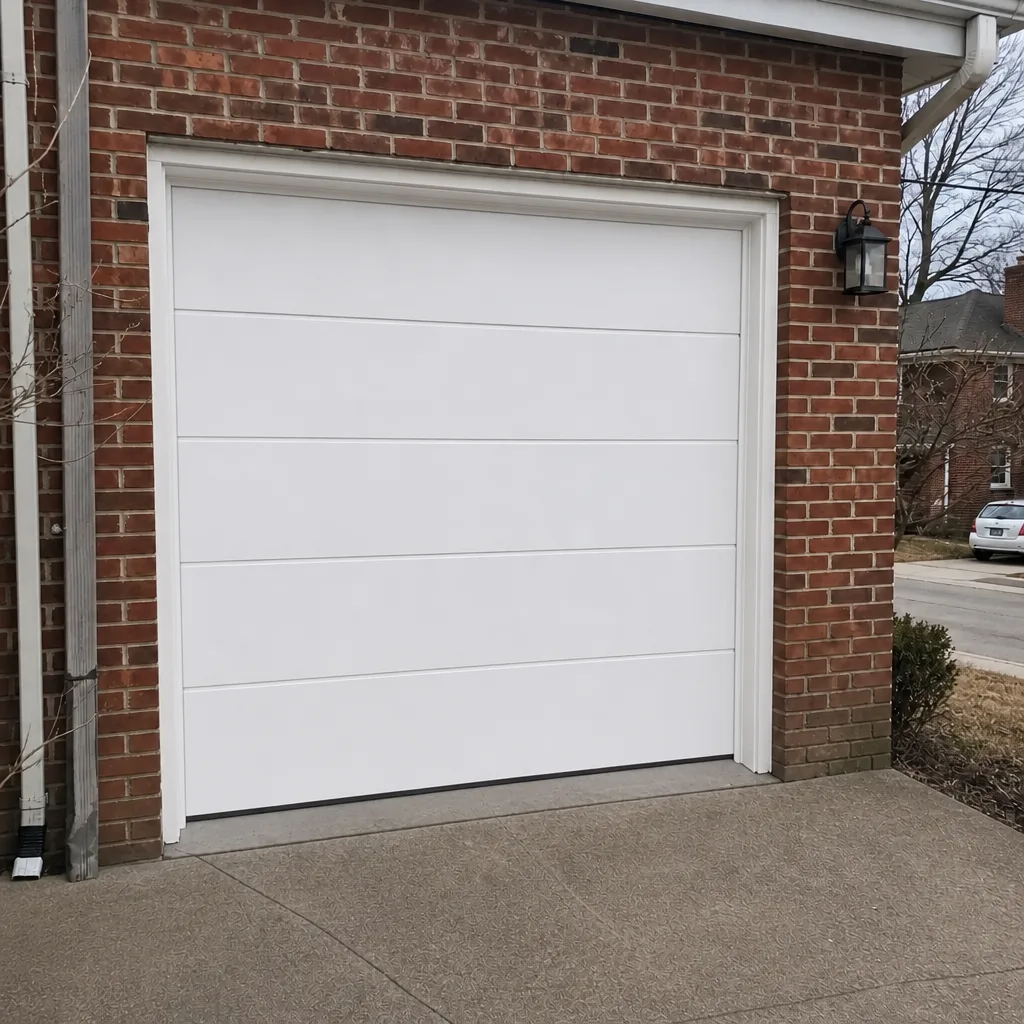 After
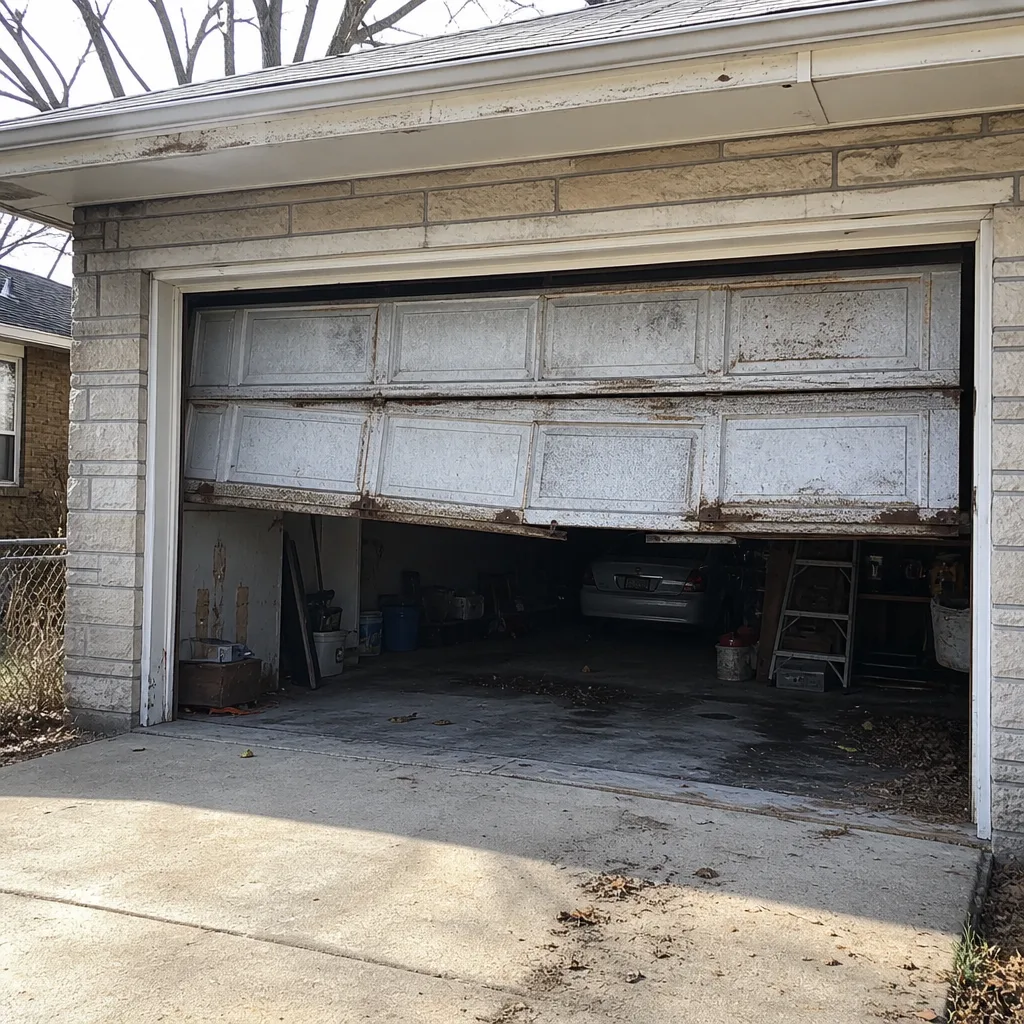 Before
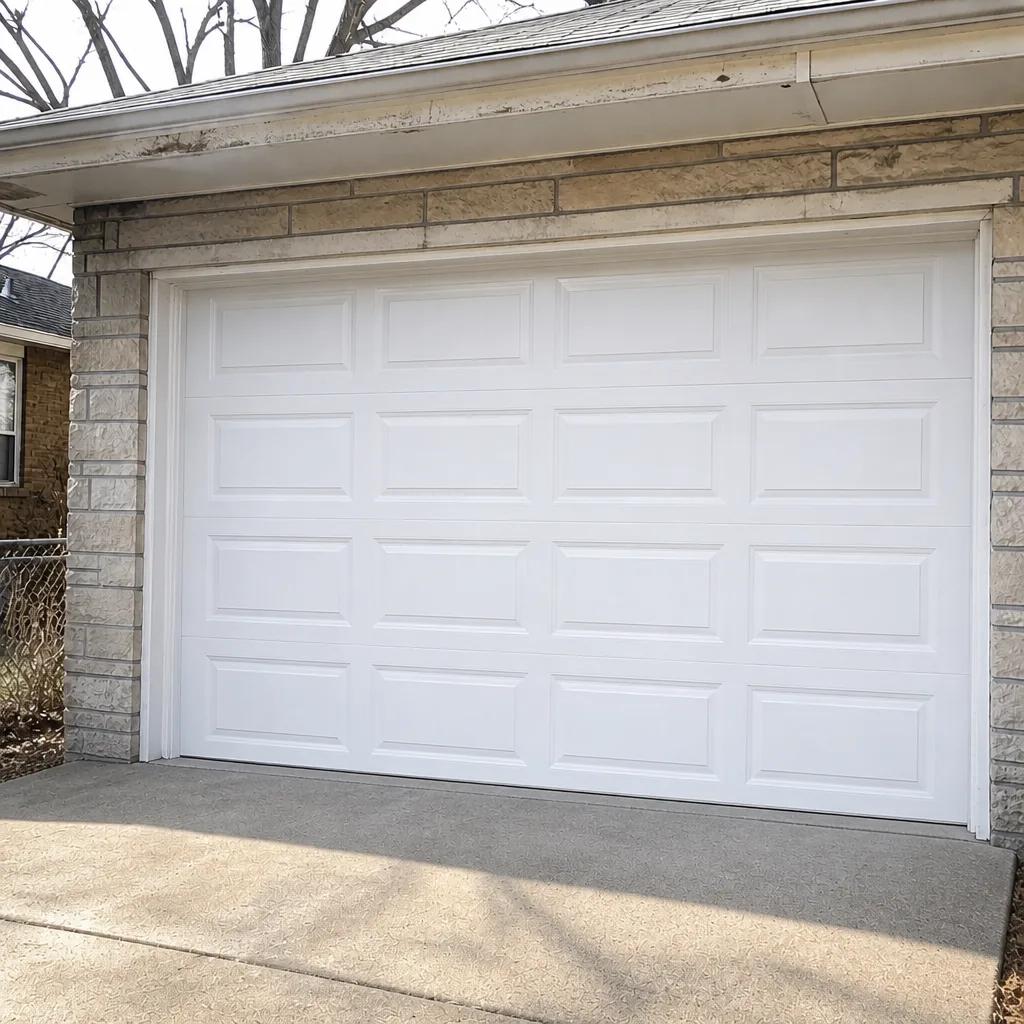 After
When to Call a Professional
Call a professional for any symptom that touches the lift system or the safety system. That means a broken or gapped spring, a frayed or kinked cable, a door that’s off its track, a door that drops or won’t stay up, and any new popping sound you can’t identify. Those are same-day situations, and they’re the ones where the wrong move carries real injury risk. Anything involving the opener’s force adjustments, safety-reversal setting, or sensor alignment is also best done by a technician who can test the door’s behavior afterward. The smaller stuff – a rattle to tighten, a roller to inspect, a slow change in speed to track – can start with a phone call. Garage Door Repair St. Louis Hills offers free estimates in St. Louis Hills – call (833) 991-7150. Our technicians have up to 13 years of experience, and we’re factory-familiar with the major brands you probably have, including LiftMaster, Chamberlain, Genie, and Clopay.
Frequently Asked Questions
The earliest warning signs are a door that moves more slowly or unevenly than it used to, a new grinding or rattling sound, and an opener that reverses or hesitates. A door that has started to hesitate at the midpoint or shake during travel is usually showing early spring or roller wear. Visible fraying at the cables and a gap in a torsion spring are later-stage signs that need immediate attention. Call (833) 991-7150 for an exact quote – estimates are free.
Spring repair in St. Louis Hills typically runs about $180-$340 per torsion spring, and a matched pair is usually replaced together at roughly twice that. The written estimate you receive after the technician inspects the door sets the final price, and it’s agreed before any work starts. Call (833) 991-7150 for an exact quote – estimates are free.
Yes – for urgent situations like a broken spring, a door that won’t stay up, or a door that’s off its track, we can often come the same day. Call (833) 991-7150 and describe what’s happening; we’ll tell you what we can do and get you on the schedule. Fast dispatch is available from 7am to 7pm. If your door has failed on a Saturday, call and we’ll book you for Sunday.
No – the price is quoted and agreed before any work starts, and it doesn’t change once the work begins. If the diagnosis on arrival is different from what you described over the phone, we explain why and adjust the quote in writing before touching the door. The estimate is the price. Call (833) 991-7150 for an exact quote – estimates are free.
An opener that reverses before fully closing is almost always reading an obstruction – usually a misaligned safety sensor at the bottom of the track, and sometimes a door that’s binding enough that the opener reads it as a block. Persistent reversal is a safety system issue, not an opener failure. Call (833) 991-7150 for an exact quote – estimates are free.
Yes – the local professional we connect you with is licensed and insured as their state requires, and brings the equipment and training for the job. Our technicians have up to 13 years of experience with the major door and opener brands, including LiftMaster, Chamberlain, Genie, and Clopay. Call (833) 991-7150 to book a free estimate in St. Louis Hills.
The Bottom Line
Most garage door failures announce themselves long before they happen. The door’s sound, its movement, and its opener’s behavior give you three sets of early warnings, and any one of them is enough to catch a failing part before it becomes a bigger problem. Springs and cables deserve the most caution because of the stored force they hold; grind, hesitation, and shaking usually belong to the call-this-week list; rattling and cosmetics can wait. If you’re sorting a symptom right now, call (833) 991-7150 for a free estimate in St. Louis Hills. We work on your brand, we stock the parts, and we diagnose the whole system on one visit.
Written by the team at Garage Door Repair St. Louis Hills.