Last updated November 21, 2026
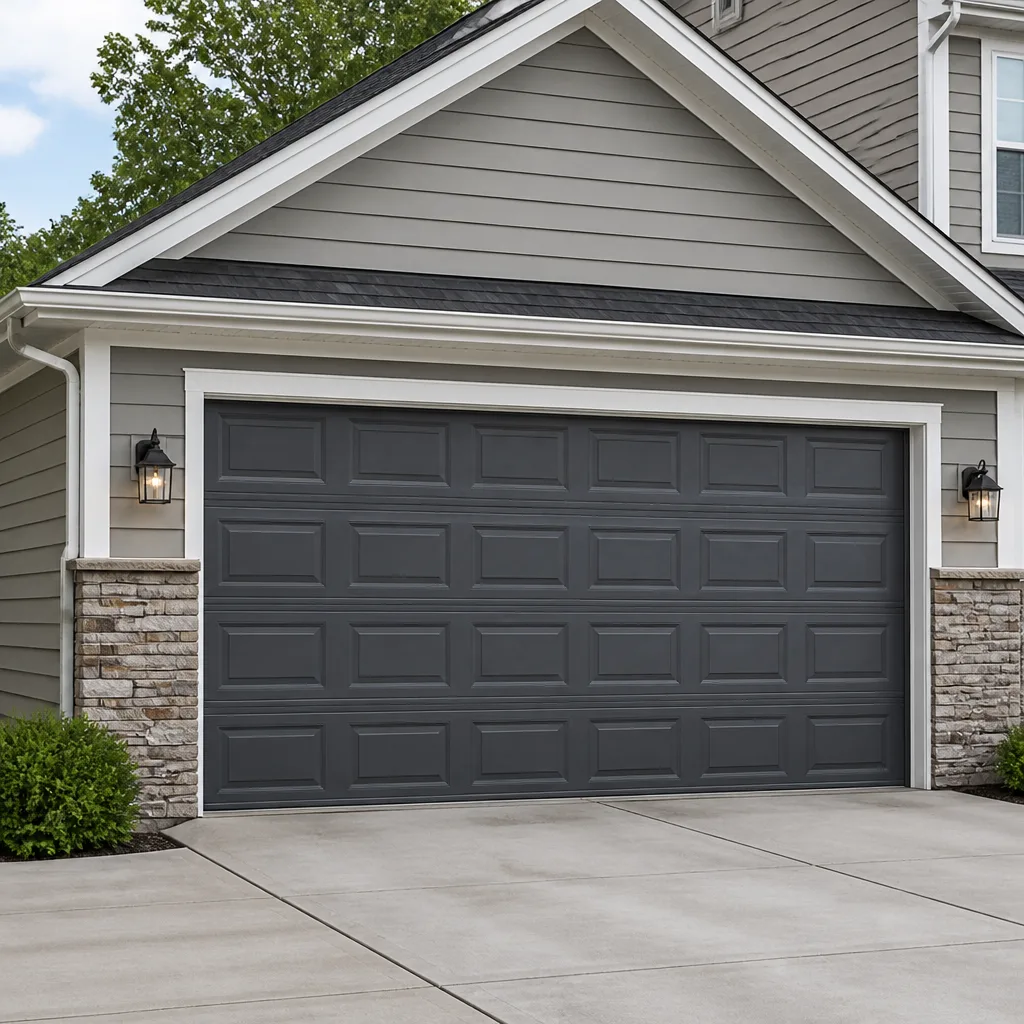 Raised-panel steel
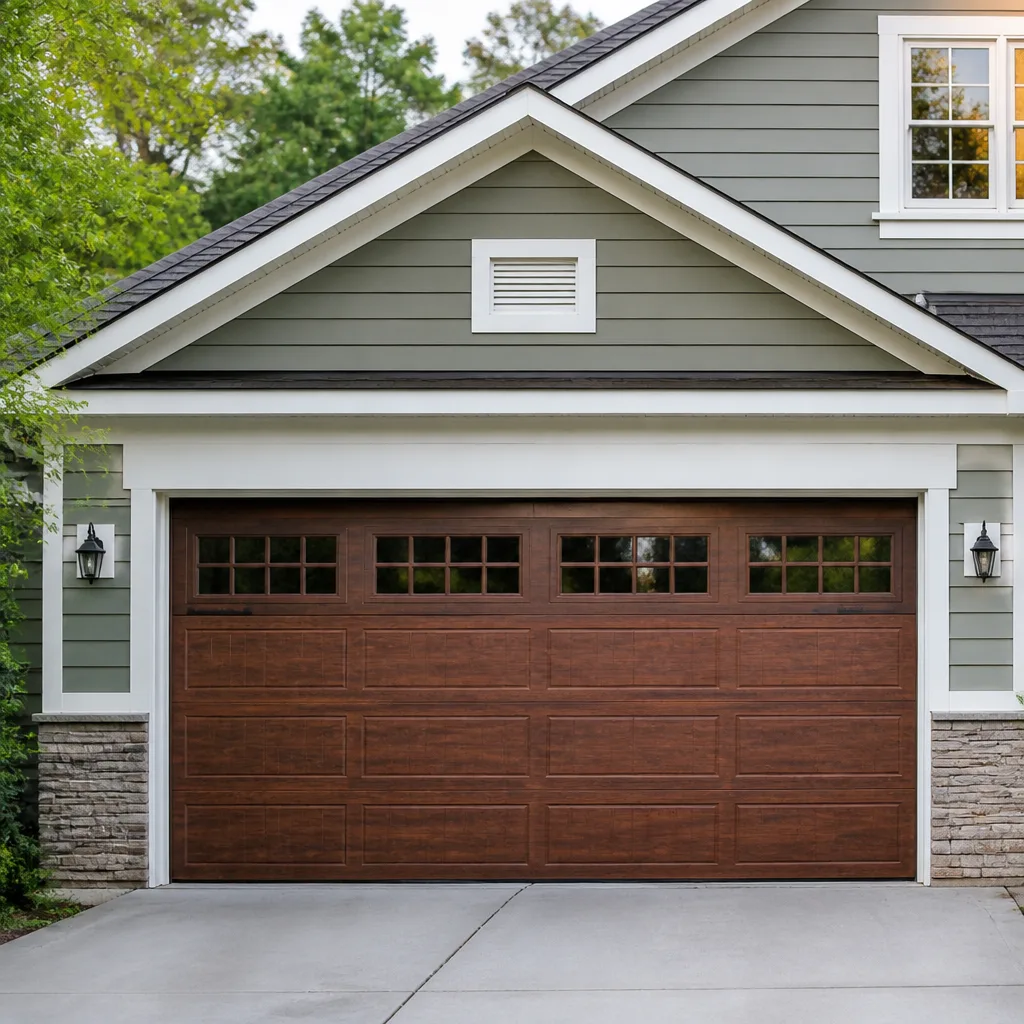
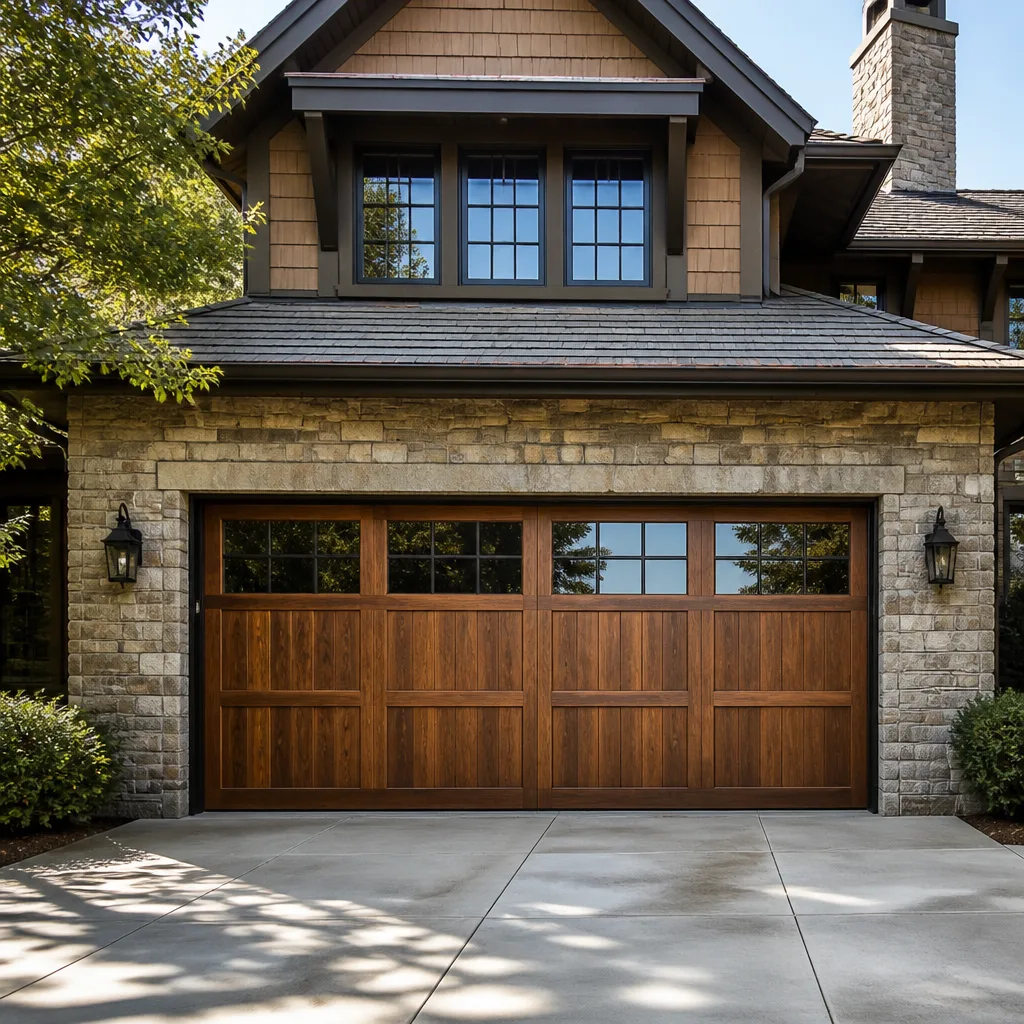 Carriage house
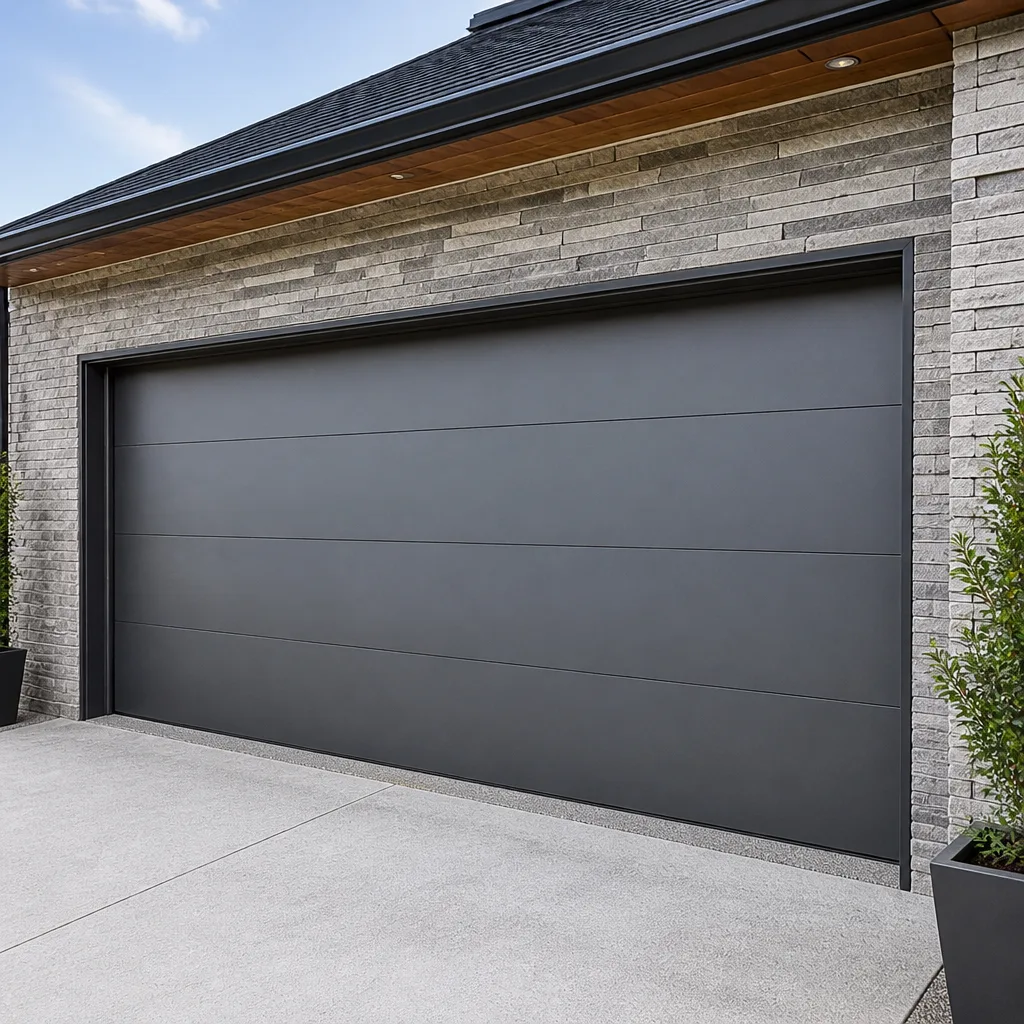 Modern flush
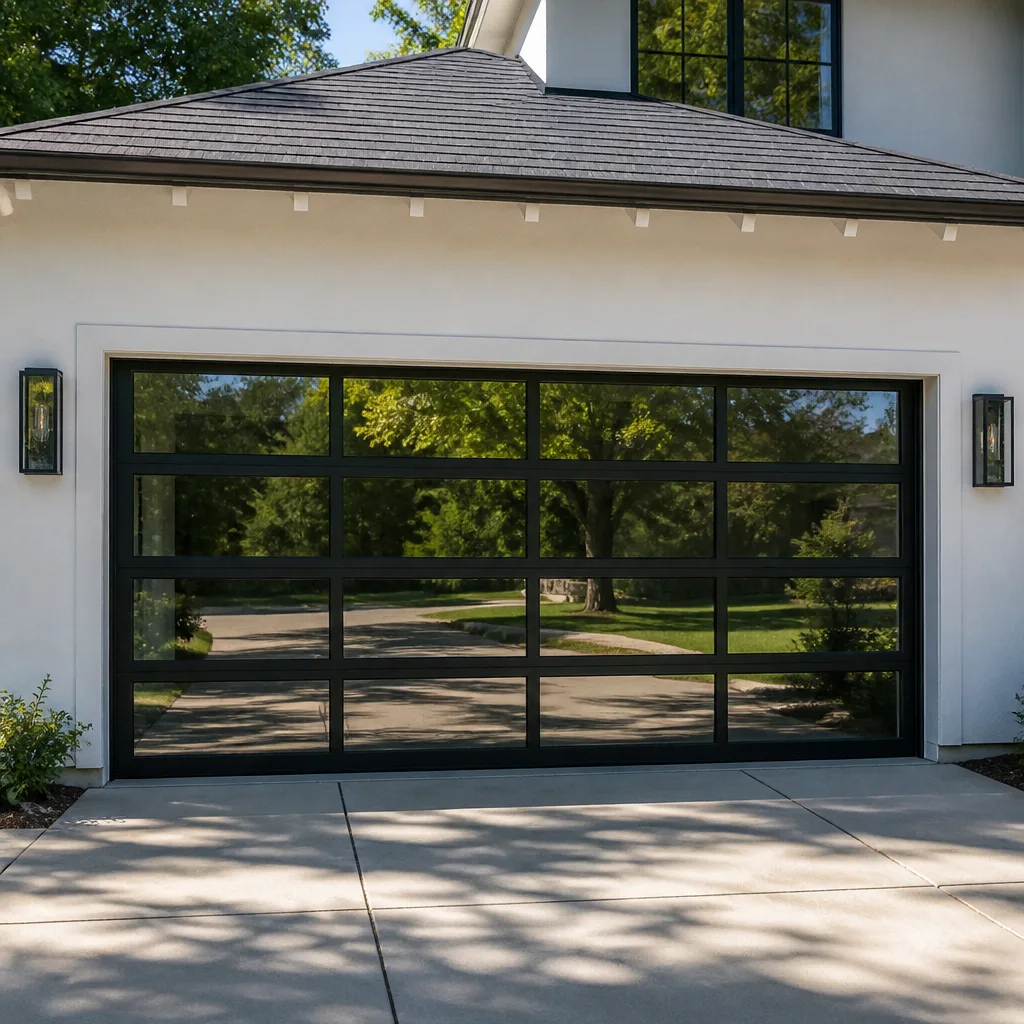 Full-view glass
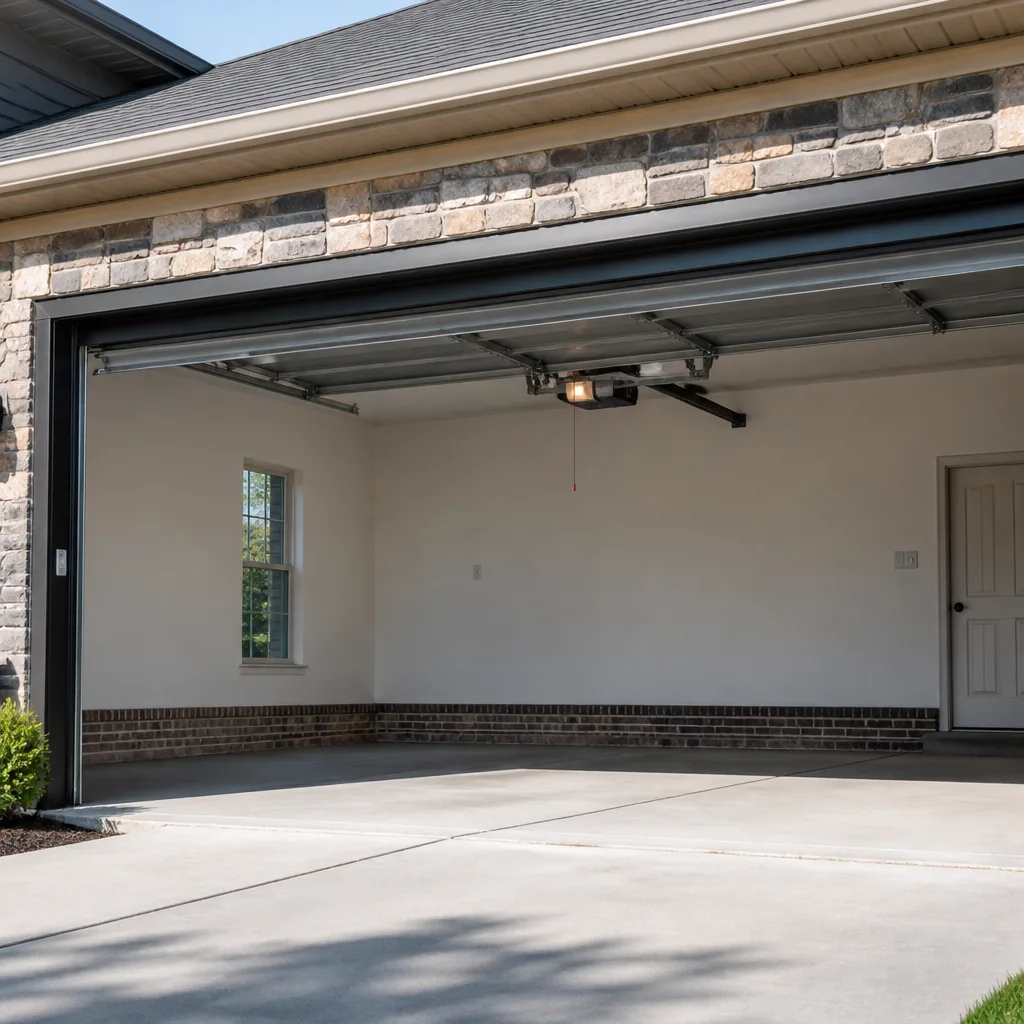 LiftMaster openers
 Chamberlain openers
Full 25-point door and opener safety check with every visit - springs, cables, rollers, tracks, and your LiftMaster or Chamberlain opener included
You get a price before we start. It does not change when the pro arrives.
Get your free estimateHow to Hire a Garage Door Contractor in St. Louis Hills: A Step-by-Step Guide
Missouri doesn’t require a state license to work on garage doors. That means the difference between a technician who has replaced 2,000 springs and one who has replaced 20 comes down entirely to what you ask before you book.
That single fact reshapes how you should shop for help in St. Louis Hills, where the housing stock is older and the doors are heavy. A truck, some tools, and a Facebook page are enough to start taking jobs here, so a business card proves very little. What separates a careful contractor from an expensive experiment is the questions you ask and the answers you listen for. In this guide, we’ll walk you through the insurance to demand, the parts questions that expose a low-ball bid, how to read a quote line by line, the red flags unique to garage door work, and how to vet a reputation past the star rating.
Quick Answer
To hire a garage door contractor in St. Louis Hills, verify general liability and workers’ compensation insurance in writing, ask specifically whether springs and cables are OEM or aftermarket, insist on a written quote built from an actual measurement of your door, and confirm the warranty covers both parts and labor. Because Missouri has no state licensing requirement for this trade, those checks matter more than any license number. A good contractor answers every one of these without hesitation, and a bad one steers the conversation toward price and speed.
Styles & brands we work with
- Raised-panel steel
- Carriage house
- Modern flush
- Full-view glass
- LiftMaster openers
- Chamberlain openers
Table of Contents
- Why Missouri Has No License Requirement and What That Means for You
- The Insurance You Must Confirm Before Anyone Touches Your Door
- Parts Sourcing: OEM vs. Aftermarket and the Low-Bid Trap
- How to Read a Garage Door Quote Line by Line
- The Exact Questions to Ask Before You Book
- Red Flags Specific to Garage Door Work
- How to Verify Local Reputation Beyond Star Ratings
- Why Spring Work Deserves Extra Scrutiny
Why Missouri Has No License Requirement and What That Means for You
Missouri does not require a state-issued license to perform garage door work, and that’s the starting point for every hiring decision you’ll make in St. Louis Hills. There’s no state exam to pass, no minimum training hours, no apprenticeship requirement. The trade has almost no barrier to entry, which means the burden of vetting falls squarely on you.
This isn’t a reason to panic. It’s a reason to ask better questions. In licensed trades like electrical or plumbing, you can lean on the state to have done some screening. Here, you do the screening. The good news is that a competent contractor expects these questions and answers them plainly. If someone gets defensive when you ask about insurance or parts, that reaction is your answer.
What should you actually verify in place of a license?
- Insurance certificates. Ask for a current certificate of insurance and confirm the dates are valid.
- Business registration. A registered business name and a real business address are basic signals of permanence.
- Parts sourcing. Whether they use OEM or aftermarket parts tells you a lot about how they bid and how your repair will hold up.
- Written warranty. A contractor confident in their work puts it in writing without being asked twice.
- Specific brand familiarity. When we work on your brand, whether it’s a Raynor torsion system or a LiftMaster opener, we can name the components before we arrive. So should anyone you hire.
None of these checks takes more than a few minutes on the phone. Combined, they tell you far more than a license number ever could. The St. Louis Hills homes we see often have doors that are decades old, and old doors have specific hardware that a generalist won’t recognize. Hiring someone who can’t tell you what’s on your door before they see it is a gamble you don’t need to take.
The Insurance You Must Confirm Before Anyone Touches Your Door
A garage door contractor working at your St. Louis Hills home should carry general liability insurance and, if they employ anyone at all, workers’ compensation coverage. Ask for the certificate of insurance and read it. This is the single most important protection you have, and it’s the one homeowners skip most often.
Here’s why it matters so much in this trade. A garage door is a heavy, spring-loaded system, and a failure under load can damage the door, the frame, a vehicle, or a person. If an uninsured worker is injured on your property, the financial exposure can come back to you. If a door drops on your car or your home’s framing, a contractor without liability coverage may not be able to make it right.
What to actually confirm on that certificate:
- General liability is active and current. Check the policy effective dates against today’s date. An expired certificate is worse than none, because it suggests someone isn’t paying attention.
- Workers’ compensation is listed if the company has employees. Even a one-person operation should be able to explain what coverage they carry. Many are structured as sole proprietors, and that’s fine as long as they can tell you how they’re insured and what it covers.
- The business name on the certificate matches the company you’re hiring. A certificate in a different name is a red flag.
- Coverage is in the company’s own name, not borrowed. Some fly-by-night operators work under another company’s insurance. Ask directly whose policy it is.
You don’t need to be an insurance expert to do this. You just need to ask, receive the document, and confirm the dates and names line up. A legitimate contractor keeps this on hand and sends it without a fuss. If someone tells you it’s “not a big deal” or promises to “get it to you later,” move on. In St. Louis Hills, where neighbors talk, a contractor’s insurance habits tend to become known. But don’t rely on the grapevine for something this important. Ask.
Parts Sourcing: OEM vs. Aftermarket and the Low-Bid Trap
Parts sourcing is where a lot of low bids hide their real cost. OEM parts are made by or for the original manufacturer and are built to the specifications your door was designed around. Aftermarket parts are made by other companies and range from excellent to dangerously cheap. The question is not whether aftermarket is always bad, because it isn’t. The question is whether the contractor will tell you what they’re installing before they install it.
Springs and cables are the components to ask about most closely. A spring is engineered for a specific cycle count, and a lower-grade spring may fail years earlier than a quality one. Cables are load-bearing, and a cheap cable on a heavy door is a genuine safety concern. When a quote comes in dramatically low, the difference is almost always in the parts, not in some generous discount.
What to ask, in plain language:
- “Are the springs OEM or aftermarket?” Then ask what the cycle rating or manufacturer specification is. A contractor who can answer this without looking it up knows their parts.
- “What brand of springs and cables do you install?” Brands like LiftMaster, Chamberlain, and Genie are familiar names in openers and hardware, and a contractor who works across them knows what fits your specific setup.
- “Do you carry parts on hand, or will you order them?” If the answer is “we’ll order it,” ask how long the door will be out of service.
- “Is there a warranty on the parts specifically?” Parts and labor warranty separately. Ask about both.
This is where full-spectrum capability matters. We stock and supply garage door parts directly, and we diagnose both the mechanical door system and the opener or drive system on the same visit. That means a repair doesn’t stall waiting on a third-party order, and the whole assembly gets looked at by the same team. When a contractor handles only repair or only openers, something can slip through. The right part, the right fix, done without a second appointment.
How to Read a Garage Door Quote Line by Line
Most homeowners read the bottom line of a garage door quote and nothing else. Read the middle instead. That’s where phrases like “labor included” and “parts at cost” live, and those phrases mean very different things depending on who wrote them.
Here’s how a well-built quote is structured, and what to press on:
- Measured work scope. A real quote is built from an actual measurement of your door, its weight, and its spring system. A quote given over the phone without measuring is a guess, not a price. This is why we never promise same-day service on installations; the work is measured, ordered, and scheduled so the quote is accurate.
- Itemized parts. Springs, cables, rollers, hinges, and opener components should each appear as separate line items with a description. “Hardware” as a catch-all hides a lot. Ask what’s in it.
- Labor, stated plainly. “Labor included” should tell you what it includes. A spring replacement, a cable replacement, and an opener install are different jobs with different labor. If the quote doesn’t break them out, ask for a line-by-line version.
- The price you’ll actually pay. The written estimate sets the final price. If something is found that changes the scope, that change should be quoted and agreed before any work starts. Ask directly: “Will the price change once you see it?” A straight answer is your protection.
- Warranty terms in writing. Parts and labor warranties separately stated, with durations. Not implied, not spoken, written.
“Parts at cost” is the phrase that trips people up most. At cost means the contractor is passing parts through with no markup and making their money on labor. That can be legitimate and transparent. But it can also mean the parts are the cheapest available with no warranty, because the profit was never in them. Ask what “at cost” parts actually are before you agree. For more on how these jobs are priced, our guide to garage door repair breaks down what different repairs typically run in this market.
The Exact Questions to Ask Before You Book
You don’t need an hour to vet a contractor. You need a focused five-minute call with the right questions. Below is the list we’d want our own neighbors in St. Louis Hills to ask, with the red-flag answer to listen for after each one.
- “Can you send a copy of your certificate of insurance?” Red flag: hesitation, excuses, or a promise to send it “later.” A professional has it ready.
- “Have you worked on my specific door and opener brand?” Red flag: a vague “we work on everything.” Ask them to name a recent brand they’ve handled. If they can’t, they’re guessing.
- “Are your springs OEM or aftermarket, and what’s the spec?” Red flag: “They’re all the same.” They’re not, and anyone who does this work knows it.
- “Will you measure the door before quoting?” Red flag: a firm price without a measurement. That’s a bid, not a quote.
- “What happens if you find something else once the door is apart?” Red flag: “We’ll just take care of it.” That can mean an invoice bigger than the quote. You want to hear: “We quote it and agree before we proceed.”
- “What’s the warranty on parts, and separately on labor?” Red flag: “It’s guaranteed.” Get it in writing or it doesn’t exist.
- “Will you be the ones doing the install, or is it subcontracted?” Red flag: “We have a guy.” You want a direct answer about who’s on the job.
These questions aren’t adversarial. Any contractor worth hiring has answered them a hundred times and won’t blink. If the tone shifts to pressure or defensiveness, you’ve learned what you needed to know. Our technicians have up to 13 years of experience, and it takes about that long to be comfortable answering these in an easy, specific way. For opener-specific work, see our garage door opener repair page, which covers how those systems get diagnosed.
Red Flags Specific to Garage Door Work
Some red flags are universal to any trade. Others are particular to garage doors, where the risks are physical and the work can’t be faked. Here’s what to watch for.
- A quote given without measuring your door. Springs are matched to door weight and height. Without a measurement, the price is a guess that gets corrected after the door is apart.
- Same-day pressure on repairs. Speed belongs on genuine repair emergencies, not on a sales pitch. Legitimate same-day repair is a convenience. Pressure to sign now because “the price is only good today” is a sales tactic, not a service.
- No written warranty on parts or labor. A verbal “guarantee” vanishes after the truck leaves. Get the warranty on paper, with durations, before work starts.
- Willingness to work on springs without explaining the danger. Springs are the most dangerous component in a garage door system. A real expert flags that risk and keeps you away from it. Someone who tells you it’s a quick fix or hands you a tool doesn’t understand the trade.
- A refusal to itemize the quote. If they can’t or won’t break down parts and labor, read the situation carefully.
- Unwillingness to name a brand or part. A contractor who can’t tell you what they’ll install is not diagnosing your door; they’re taking a shot.
- Vague insurance answers. The certificate should be available on request without a follow-up email campaign.
In St. Louis Hills, the older housing stock makes some of these flags louder. A door that’s been on the house for decades may have original hardware that needs a matching part specific to its era. A contractor who’s never asked the brand question will end up with the wrong part and either force-fit it or come back with a new quote. For a full range of repairs, our garage door repair St. Louis Hills page covers the common jobs and how each is handled.
How to Verify Local Reputation Beyond Star Ratings
A five-star rating is easy to game and hard to read. A handful of reviews tells you almost nothing about how a contractor handles a complicated St. Louis Hills door or a problem after the job. What reveals a contractor’s actual character is the negative reviews and how the company responds to them.
Look for these patterns when you read reviews:
- Response style on critical reviews. Does the company answer with specifics and a path to resolution, or with defensiveness and blame? A professional response to a bad review tells you the company can handle being wrong.
- Recurring complaints versus one-offs. A single poor review is noise. The same complaint showing up in several reviews, about pricing changes, missed warranty calls, or hurried work, is a pattern.
- Whether reviewers describe the work, not the sale. Reviews that name the door brand, the repair, and the outcome are more useful than “great service, highly recommend.”
- Recency. Recent reviews tell you how the company works now. Old reviews tell you what it used to be.
For St. Louis Hills specifically, the local grapevine is real. Talk to a neighbor who’s had a door repaired or replaced recently and ask which company they used and whether they’d use them again. That conversation, plus a focused review read, gets you further than any star count. We can tell you that our own approach is built on parts readiness and same-visit diagnosis, but we’d rather you check with your neighbors. A reputable contractor in this neighborhood will be verified by them too.
Why Spring Work Deserves Extra Scrutiny
Springs are the most dangerous component in your garage door system, and they’re where the gap between a careful contractor and a cheap one becomes visible. A torsion spring or a pair of extension springs holds an enormous amount of stored energy. When they release under load, the result can cause serious injury to whoever is nearby. This is not a job for a general handyman or a DIY weekend project.
Because of that, the vetting standard for spring work should be higher than for anything else. Our dedicated spring repair service treats this as its own discipline, not just another line on a price sheet. When you vet a contractor for spring work, ask:
- Are the replacement springs matched to my door’s weight and height? A spring that’s the wrong size for the door will fail early or strain the opener.
- Will they replace matched pairs together when working on a two-spring system? Replacing one spring on a pair is a common cost-cutting move that leaves you back in the same spot soon. A pair is a pair.
- Are the springs OEM or aftermarket, and what’s the spec? Same question, higher stakes.
- Will you explain the danger and keep me clear of the system? A real expert does this without being asked.
For a new door or a full replacement rather than a repair, the vetting shifts toward the measurement and written quote. Our garage door installation page covers how that process works, including the measure-and-order sequence that makes the first quote the real quote. Springs, though, are where you want to slow down and ask more. When you hire for that job in St. Louis Hills, hire someone who treats it like the serious work it is.
Common Mistakes to Avoid
- Hiring on price alone. The lowest bid is usually low because the parts are cheap or the scope is narrower than you think. Read the itemization and ask what’s been left out. St. Louis Hills has plenty of older doors where the “cheap” quote turns into a second repair in a year.
- Skipping the insurance check. No certificate, no hire. It takes two minutes to ask and it’s the difference between a covered job and an exposure. A worker injured on your property is your problem if the contractor isn’t insured.
- Accepting a quote given without a measurement. Springs and cables are matched to the door. If they didn’t measure, they didn’t quote. Expect a change order once the door is apart.
- Believing “labor included” covers everything. Ask what’s included in the labor line. Different repairs carry different labor, and a catch-all phrase can mean the opener diagnosis costs extra.
- Letting a “parts at cost” pitch stand without asking what the parts are. At cost can be transparent or it can mean the cheapest components with no warranty. Ask before you agree.
- Buying into pressure to book on the same call. A fair contractor will happily quote and let you think. Pressure to sign now is a signal, not a courtesy.
- Overlooking spring safety in the rush. Springs hold dangerous stored energy. Never let a contractor encourage you to help, and never attempt this yourself. Hire a trained professional and let the work happen away from your hands.
See the difference
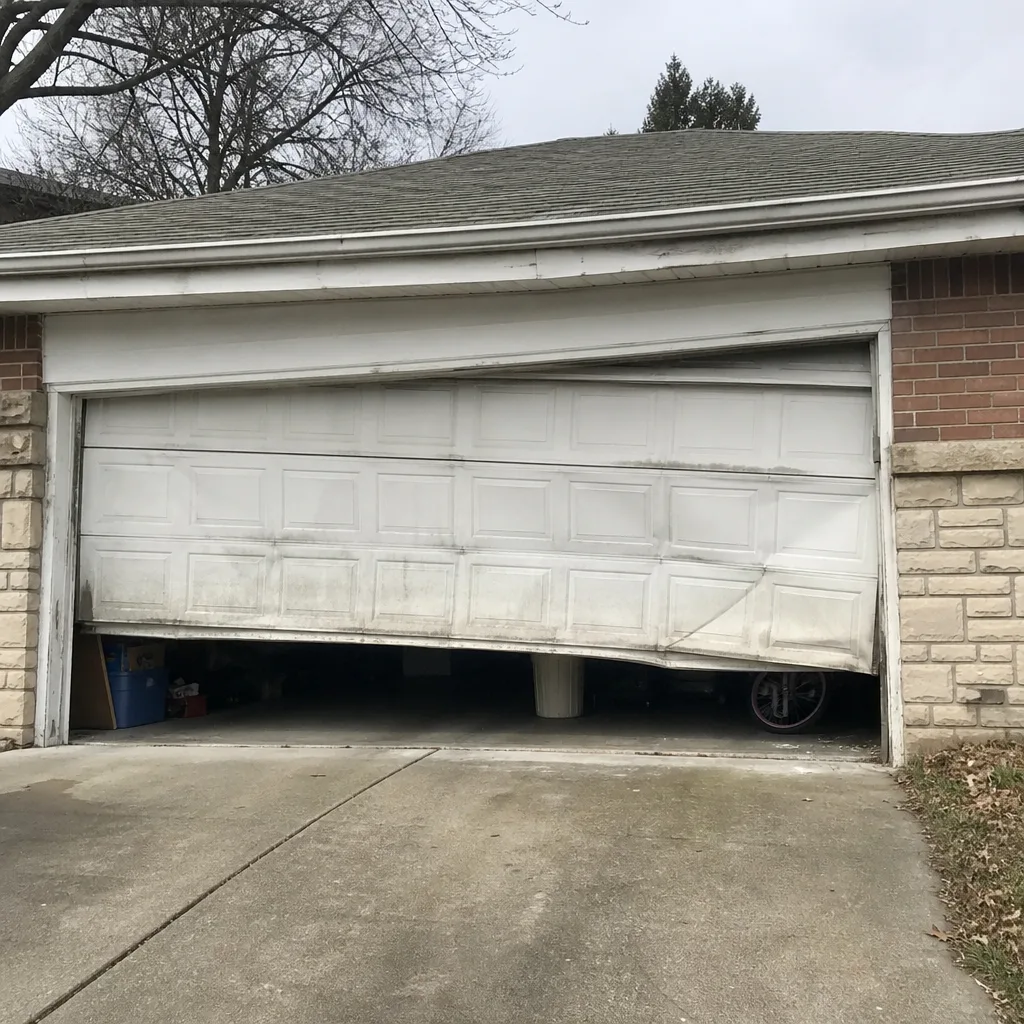 Before
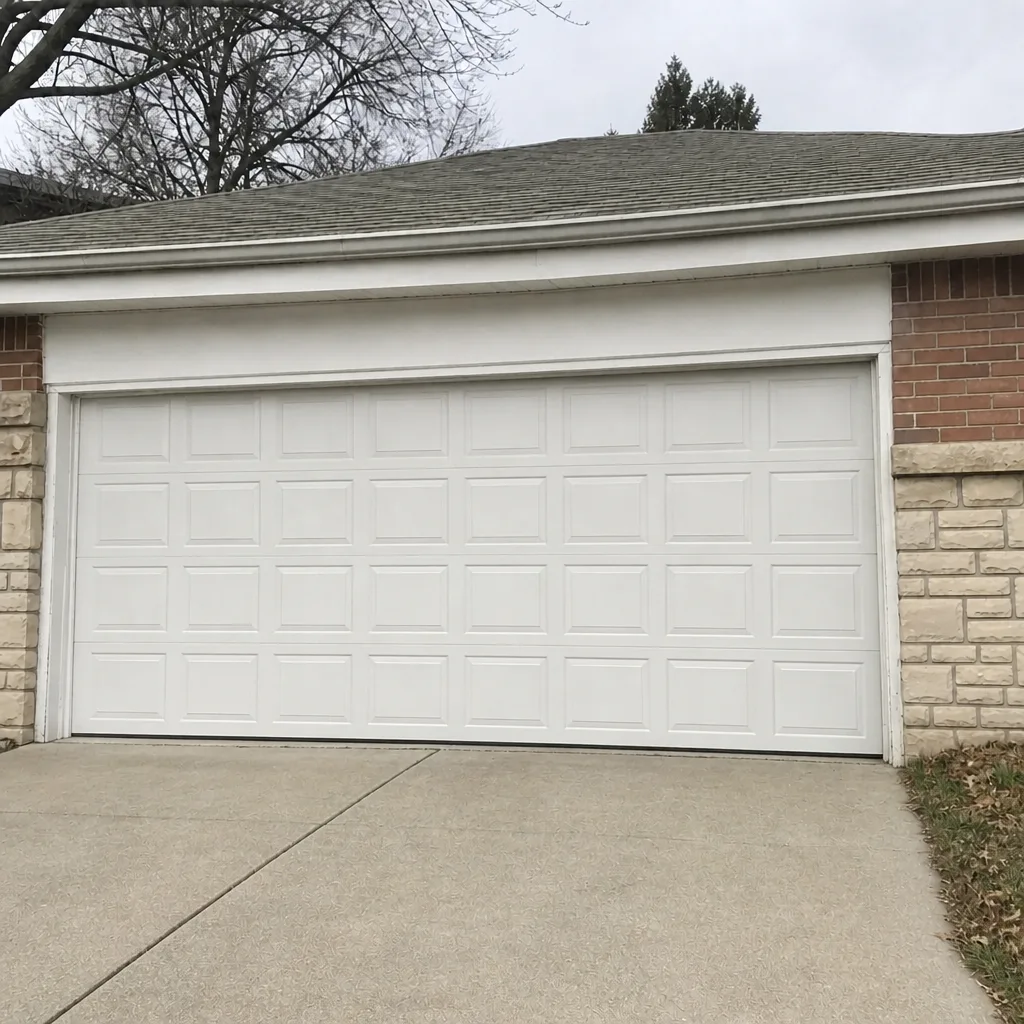 After
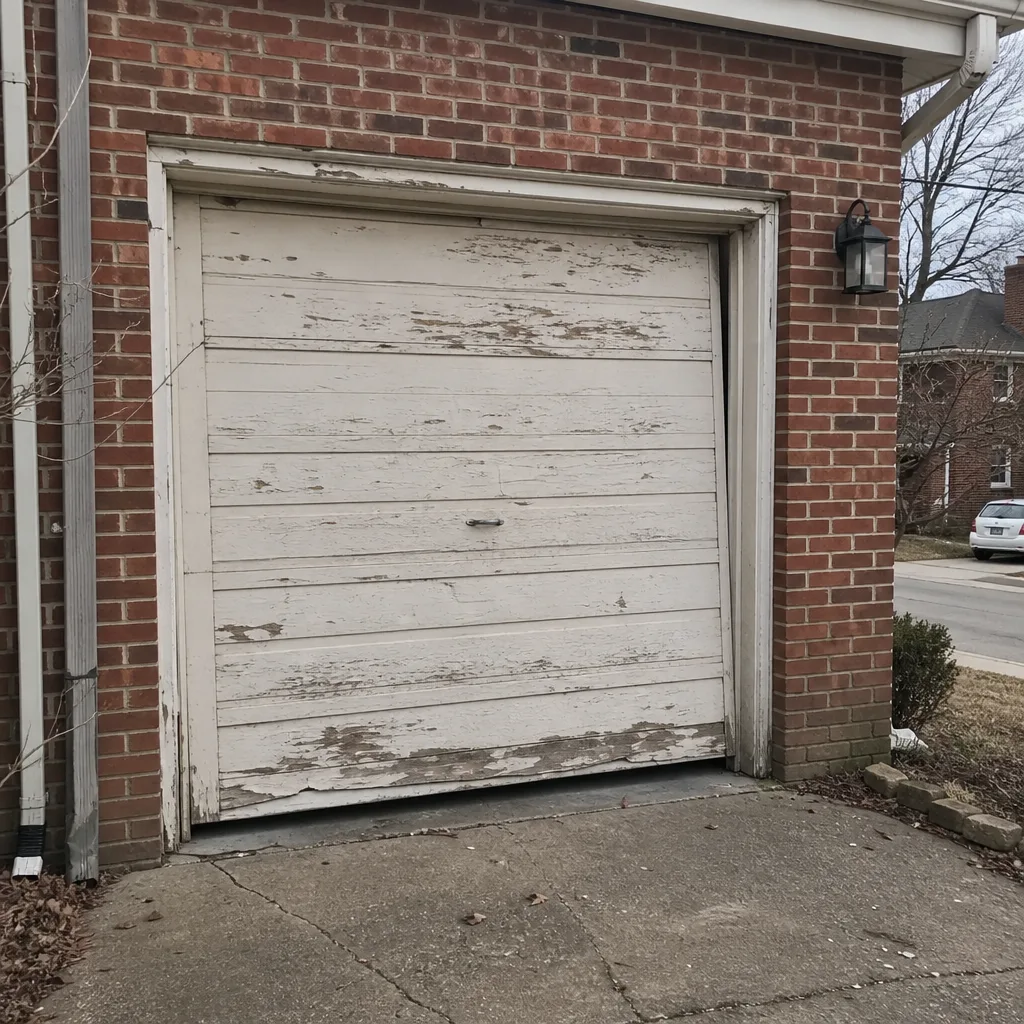 Before
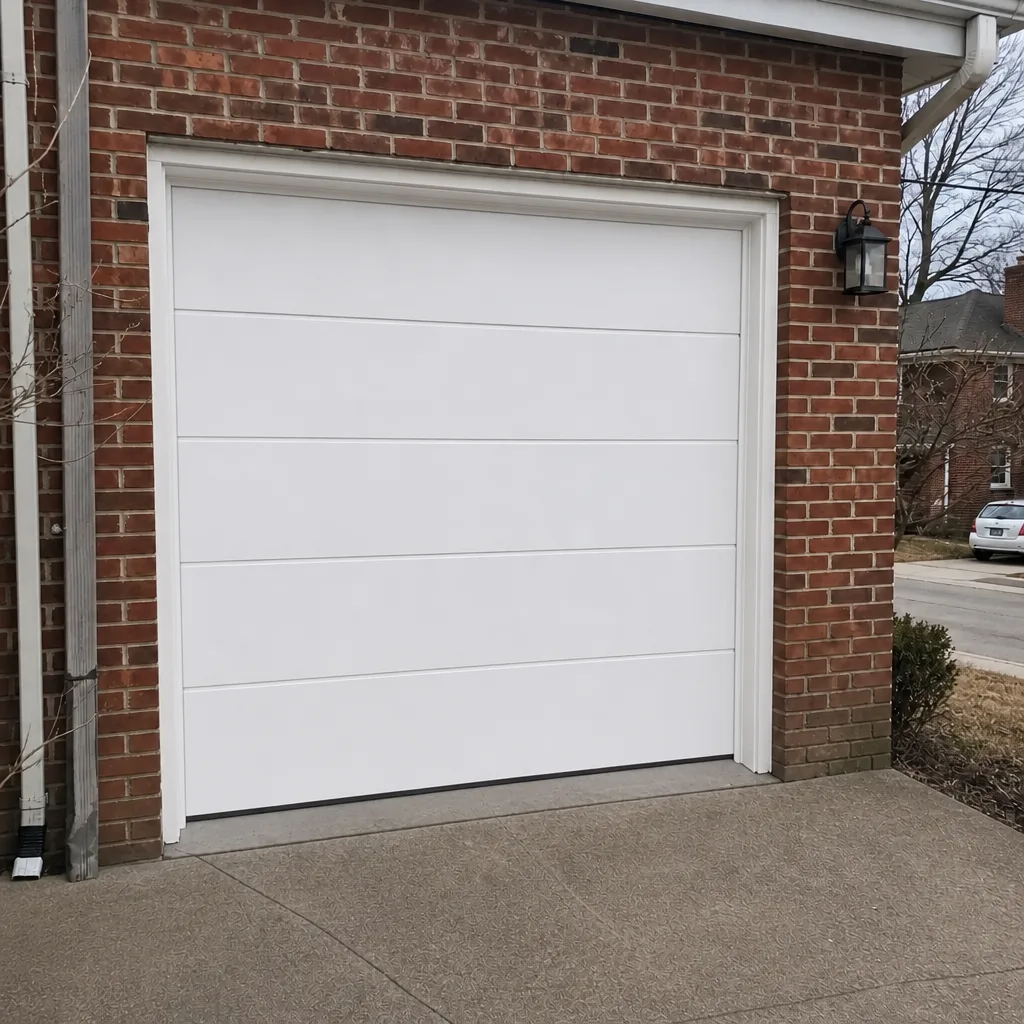 After
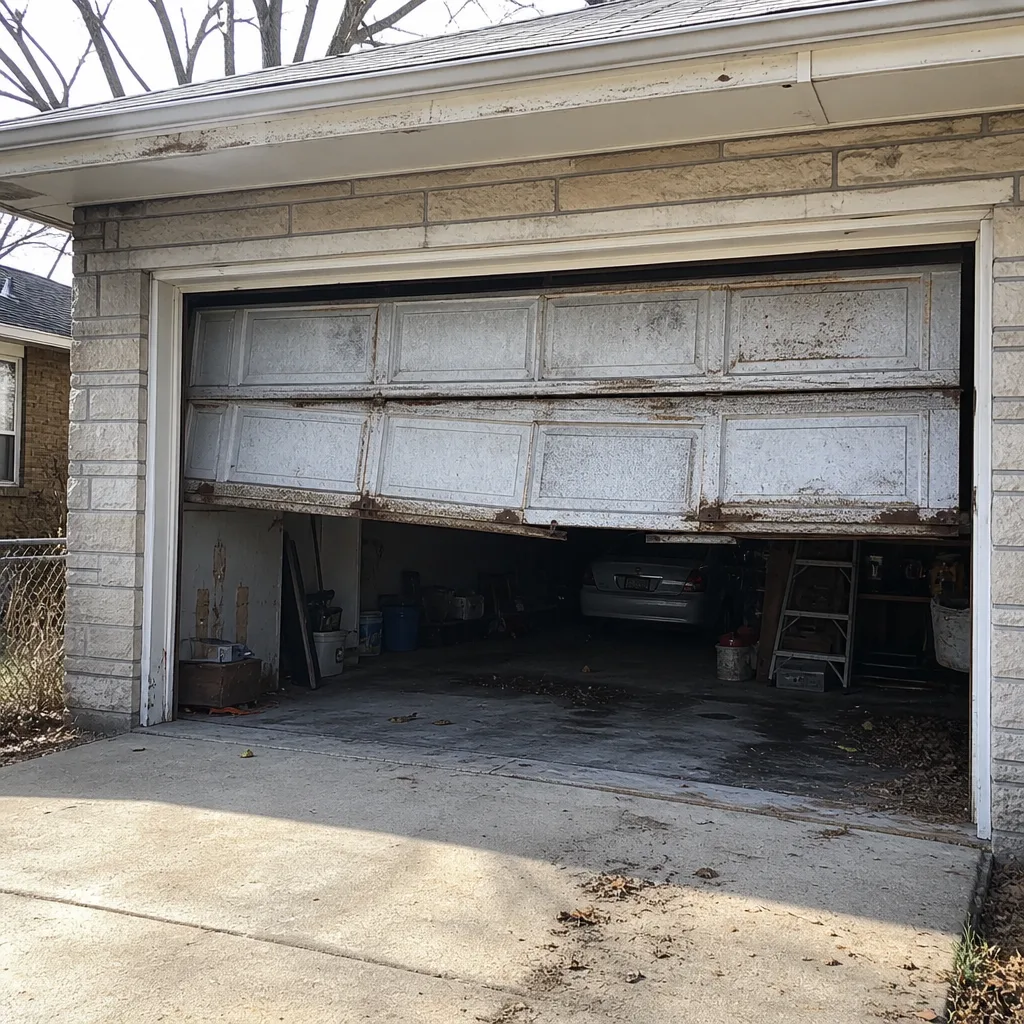 Before
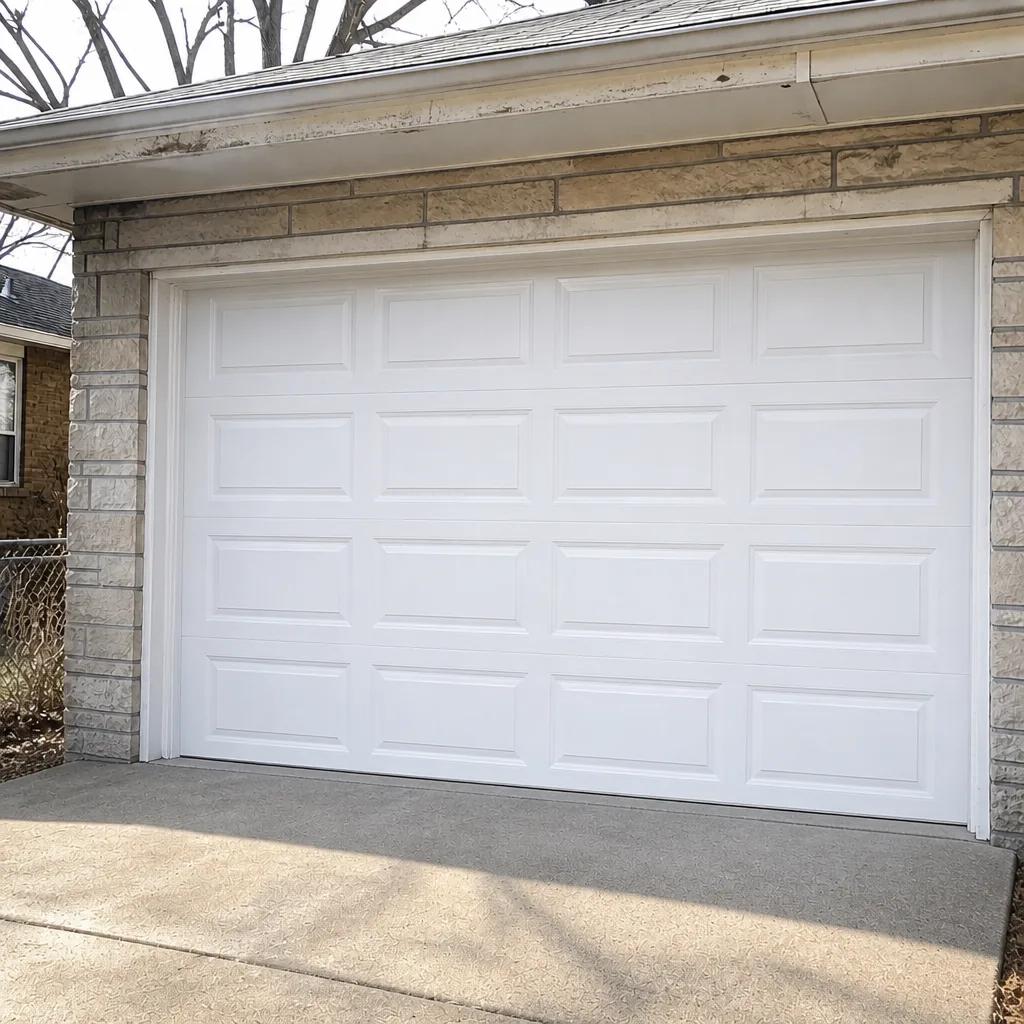 After
When to Call a Professional
Some garage door jobs are a caution and a careful look; others are calls to make today. Call a professional when the door won’t open or close, when you hear a loud snap from the spring area and the door suddenly gets very heavy, when the door comes off its track or hangs crooked, when the opener runs but the door doesn’t move, or when you find a broken cable. Springs and cables in particular are job-stopper territory: don’t try to lift the door, don’t prop it, and don’t touch the hardware. Shut the garage, keep kids and vehicles clear, and make the call. If a panel is dented but the door still operates, that’s a calmer problem but still worth a look before the issue spreads. Garage Door Repair St. Louis Hills offers free estimates in St. Louis Hills, and our technicians are trained to work on the brands in your home, so call (833) 991-7150 and we’ll talk through what’s happening.
Frequently Asked Questions
Missouri does not require a state license for garage door work, so there’s no license number to check. Instead, verify general liability and workers’ compensation insurance, ask about parts sourcing, and confirm a written warranty on parts and labor. Those checks protect you more than a license ever would. Call (833) 991-7150 for a free estimate once you’ve vetted your options.
A garage door contractor should carry general liability insurance and, if they employ anyone, workers’ compensation coverage. Ask for the certificate of insurance and confirm the policy dates are current and the business name matches the company you’re hiring. Workers’ compensation matters even for a small operation because it protects you if someone is injured on your property. If a contractor can’t produce a current certificate on request, keep looking.
Yes, always ask, and ask for the specification too. OEM springs are made to the door manufacturer’s specs; aftermarket springs vary widely in quality. A low quote is often low because the parts are cheaper, and a lower-grade spring can fail years earlier. The answer to this question tells you whether the quote is honest or a low-cost trap. Call (833) 991-7150 for a free estimate and a straight answer on parts.
It shouldn’t, if the job was quoted properly from a measurement. The written estimate sets the final price, and any change in scope should be quoted and agreed before work continues. A quote given over the phone without measuring your door is a guess and often changes. Ask upfront: “Will the price change once you see it?” A fair contractor will tell you plainly. Estimates are free at (833) 991-7150.
Spring repairs can often be handled on a fast turnaround when the contractor carries the parts, which is why parts readiness matters. Same-day availability depends on the parts and the schedule, so call and we’ll tell you honestly. Springs are the most dangerous component in the system, so don’t attempt a repair yourself. Call (833) 991-7150 and we’ll book the fastest honest option.
Read the negative reviews and how the company responds to them. Look for patterns in recurring complaints, favor reviews that describe the actual work and brands, and check that recent reviews reflect current service. Talk to a neighbor in St. Louis Hills who’s had a repair done recently. Response style and recurring patterns reveal company culture better than a star count. Call (833) 991-7150 and ask us anything you’d ask a neighbor.
The Bottom Line
Hiring a garage door contractor in St. Louis Hills comes down to specific questions and the answers you listen for. There’s no state license to screen candidates for you, so you screen them: verify insurance in writing, ask whether springs and cables are OEM or aftermarket, insist on a quote built from a measurement, get the warranty on paper, and read the negative reviews for response patterns. A contractor who fields all five without flinching is the one worth booking. Call (833) 991-7150 for a free estimate and a plain, specific conversation about your door, your opener, and what it will actually take.
Have a door that needs a real diagnosis? Call (833) 991-7150 for a free estimate. We can work with your insurer, we carry parts so repairs don’t stall, and we diagnose the whole assembly so the right fix gets done the first time. The local pro is licensed and insured as their state requires, and the price is quoted and agreed before any work starts. Prefer to start with a repair page? Read our notes on spring repair, opener repair, and panel work in St. Louis Hills, or call and we’ll walk you through the options.
Written by the team at Garage Door Repair St. Louis Hills.