Last updated November 21, 2026
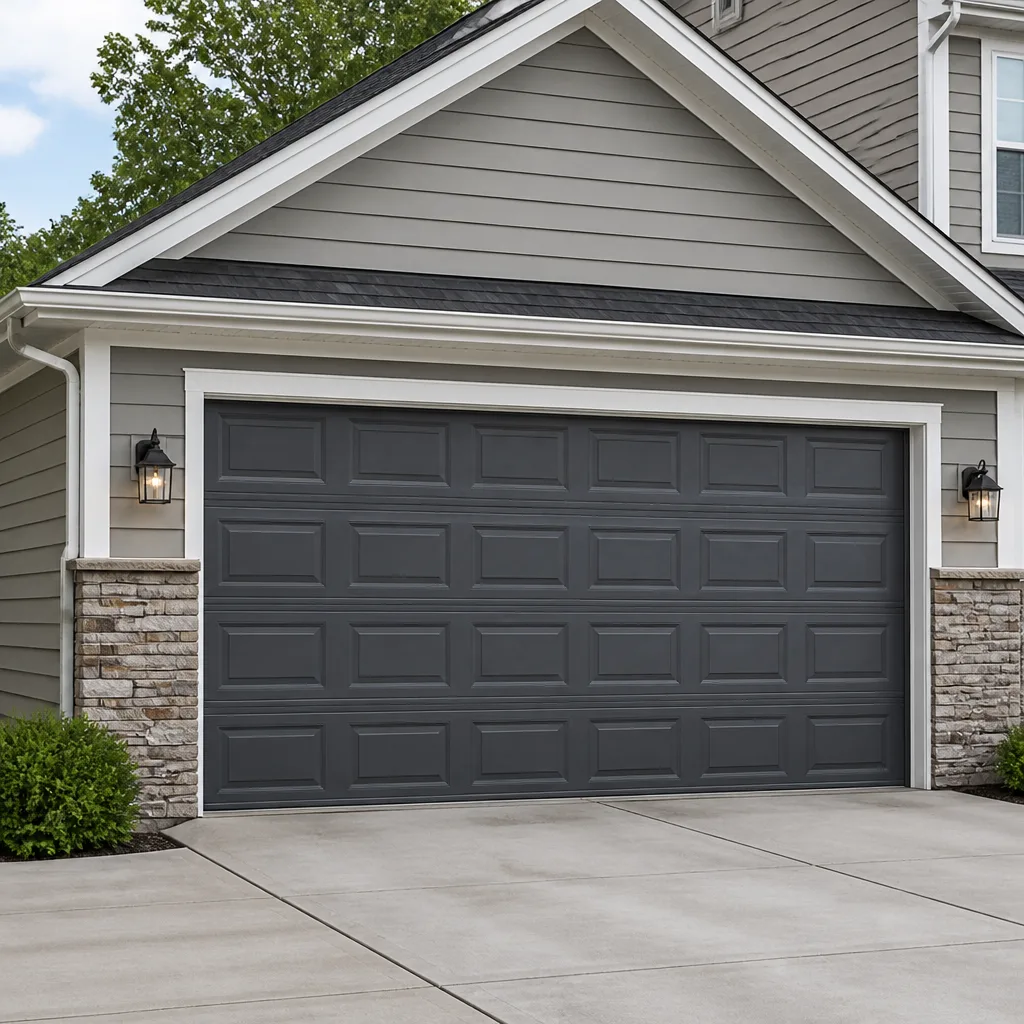 Raised-panel steel
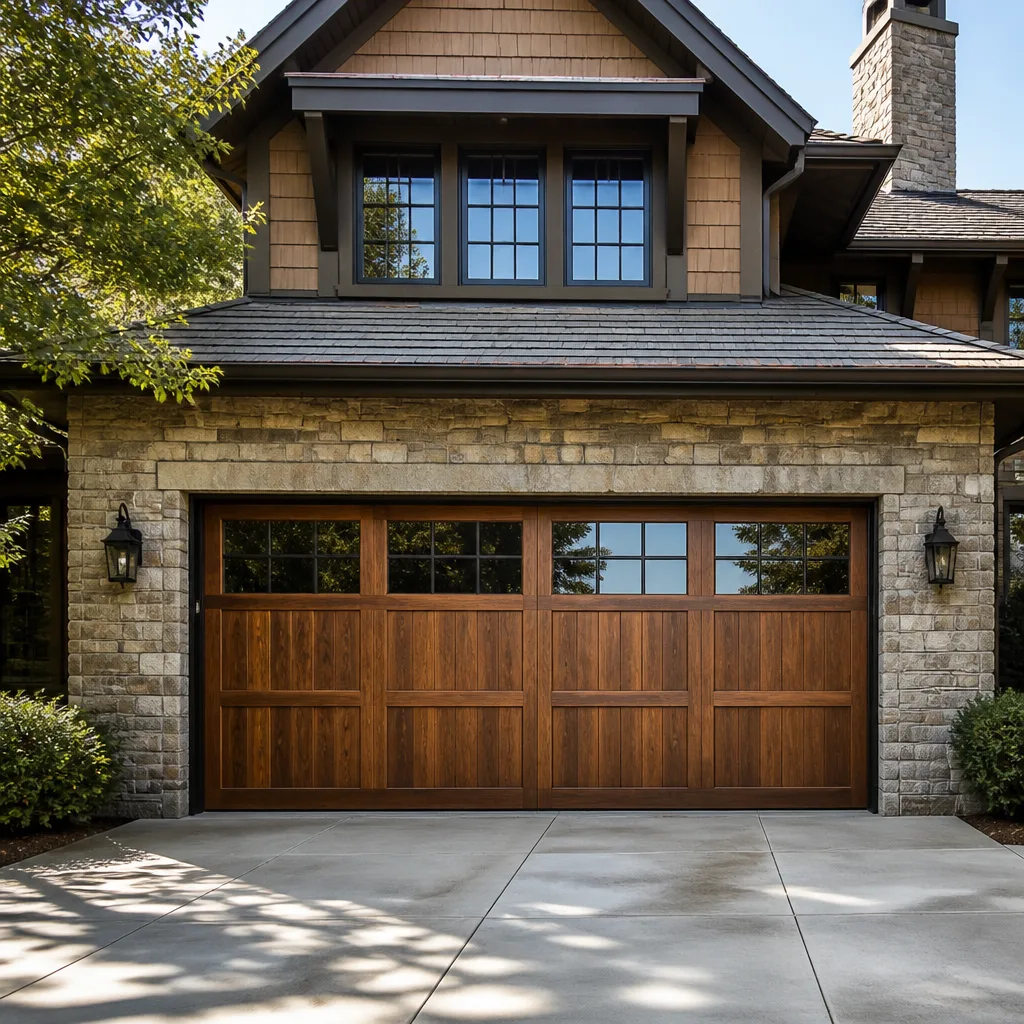 Carriage house
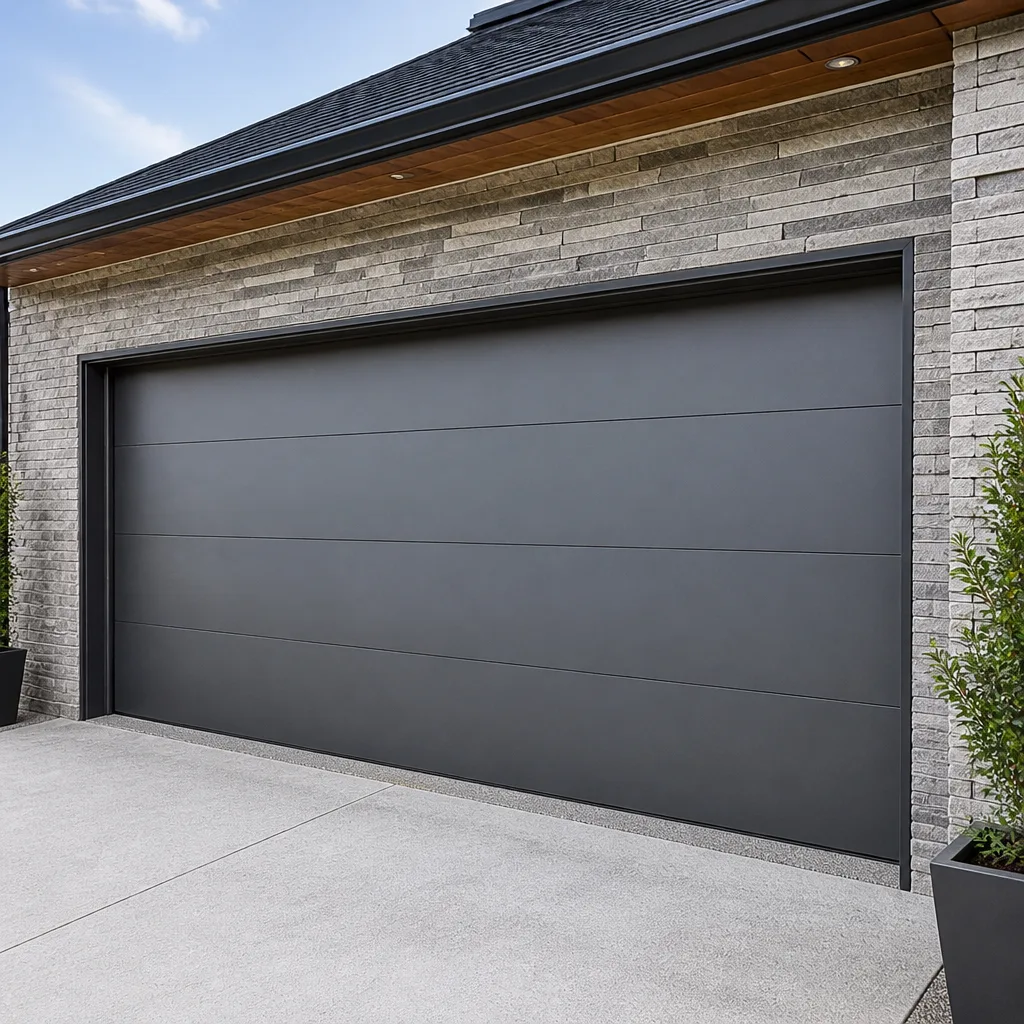 Modern flush
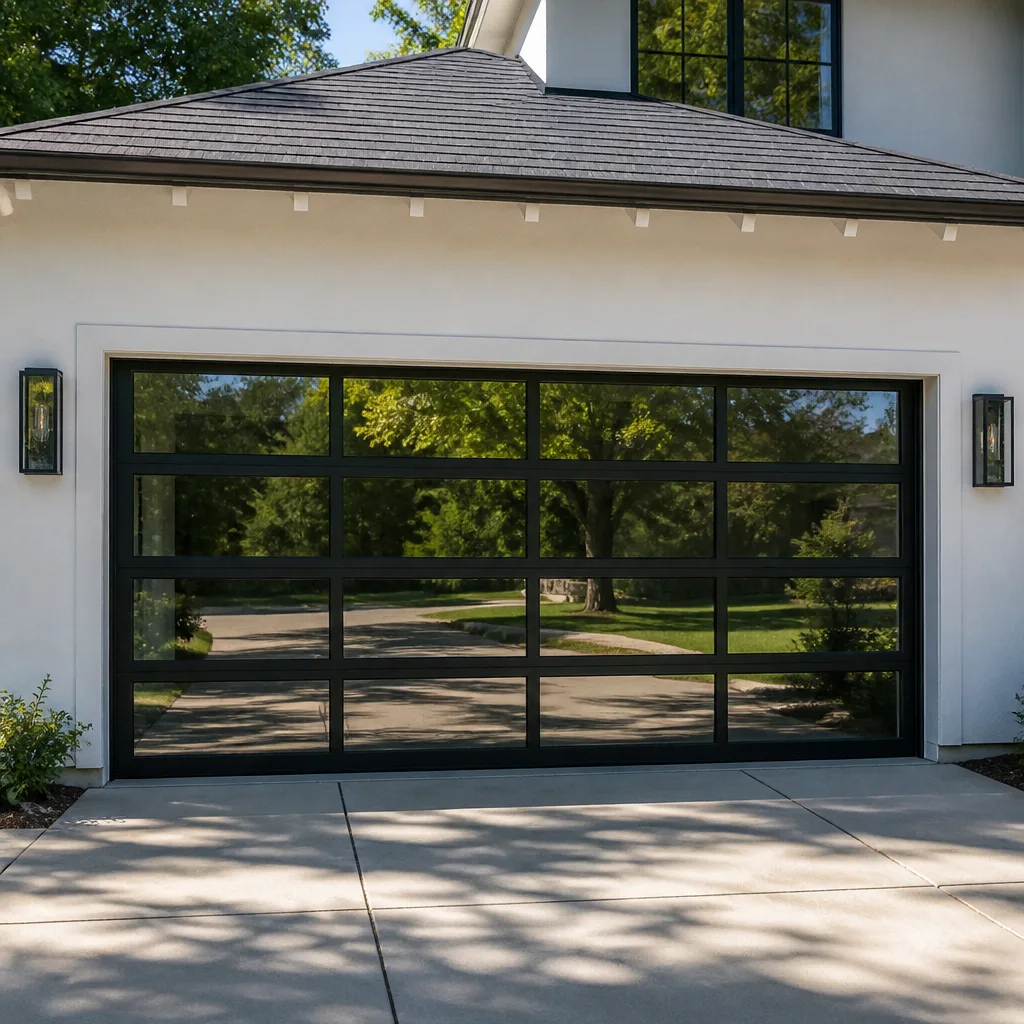 Full-view glass
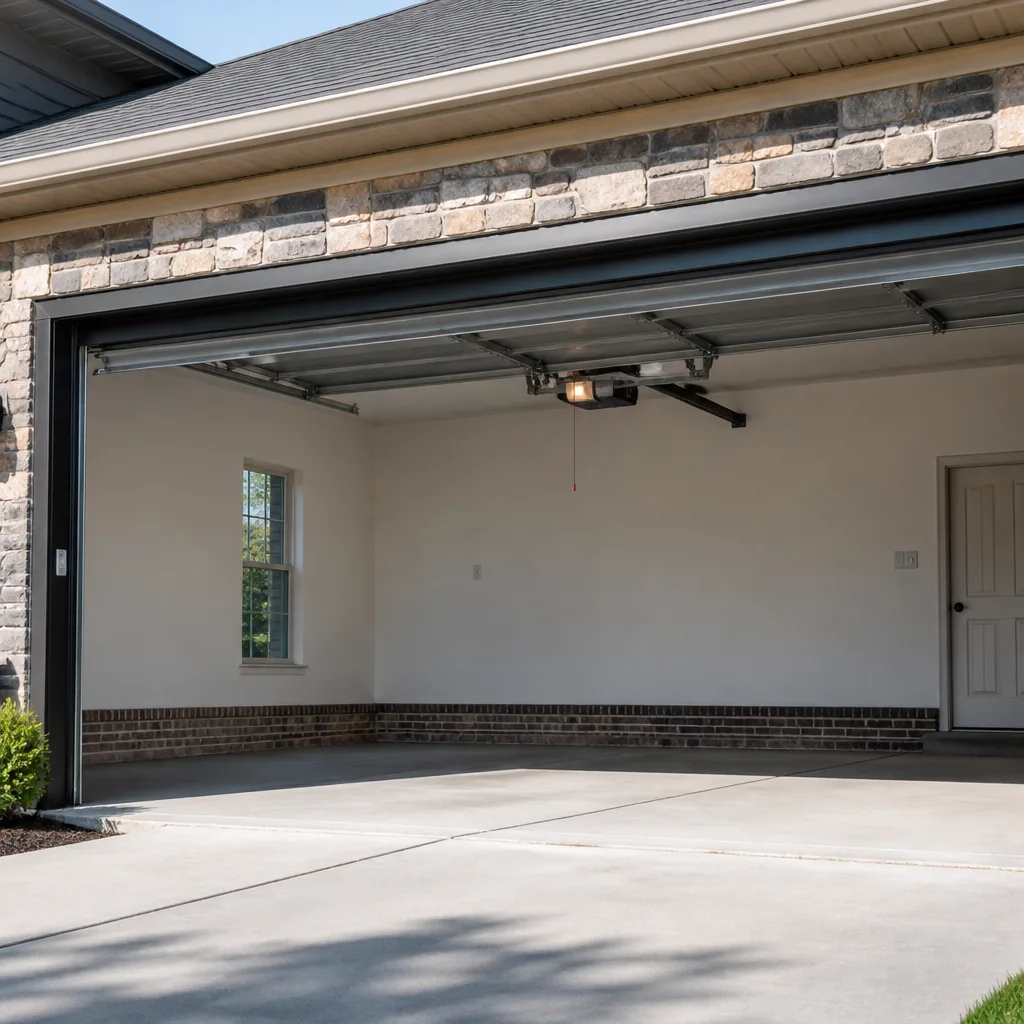 LiftMaster openers
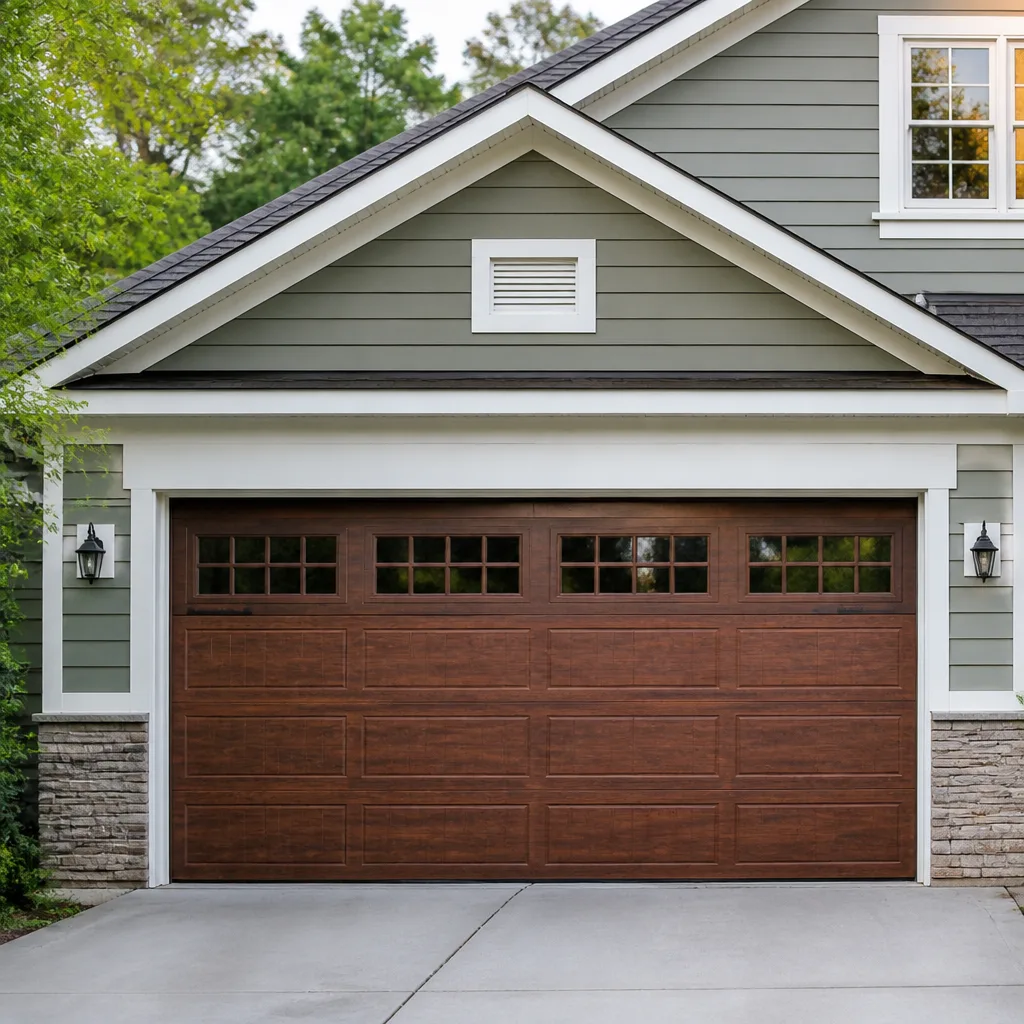 Chamberlain openers
Full 25-point door and opener safety check with every visit - springs, cables, rollers, tracks, and your LiftMaster or Chamberlain opener included
You get a price before we start. It does not change when the pro arrives.
Get your free estimateChoosing the Right Garage Door Brand: A Buyer’s Guide for St. Louis Hills
Most garage door buyers start with color and window style, and that’s the wrong order. A door that looks right in a showroom but has no dealer network near St. Louis Hills means that when a panel is discontinued or a proprietary part fails, you’re waiting weeks on shipping or pricing out a whole new door. Brand selection is really a parts-and-service question dressed up as an aesthetic one. In this guide we’ll break down which brands use standard components and which lock you into proprietary systems, what “lifetime limited” warranty language actually covers, how insulation and steel gauge hold up to St. Louis weather swings, and how to line up your door and opener brands so a future upgrade doesn’t turn into a full system replacement.
Quick Answer
The best garage door brand for a St. Louis Hills home is the one with a dense local dealer network, standard spring and cable components, and honest warranty terms, which usually points to Clopay, Amarr, or Raynor among the major names. Steel gauge matters more than brand marketing; 24-gauge is the minimum worth buying, and 25-gauge doors tend to show dents and dings faster after a couple of St. Louis winters. Match your door brand to your opener brand where you can, because matching reduces friction in future repairs and smart home upgrades.
Styles & brands we work with
- Raised-panel steel
- Carriage house
- Modern flush
- Full-view glass
- LiftMaster openers
- Chamberlain openers
Table of Contents
- Why Brand Choice Is a Parts and Service Question
- Parts Availability: Proprietary vs. Standard Components
- Warranty Terms Decoded: What “Lifetime Limited” Really Covers
- Insulation Performance: R-Value and Construction Method
- Steel Gauge: Why 24-Gauge Is the Floor
- Matching Door Brand to Opener Brand
- How St. Louis Hills Climate Affects Brand Choice
- What Installation Should Involve
Why Brand Choice Is a Parts and Service Question
A garage door isn’t a single product, it’s a system. Panels, hinges, rollers, springs, cables, tracks, and the opener all wear at different rates. When a spring breaks or a panel gets backed into, what matters is whether the replacement part is available today, whether every technician in the trade can install it, and whether any manufacturer backlog sits between you and a working door. That’s the frame that should guide brand selection in St. Louis Hills.
The aesthetic differences between major brands are real but small. Their differences in serviceability are not. A door with standard torsion springs and standard cable lengths can be repaired by any competent technician; a door with proprietary spring hardware may require a dealer order. We work on your brand across LiftMaster, Chamberlain, Genie, Clopay, Amarr, Wayne Dalton, Craftsman, and Raynor, and the same pattern shows up in every trade: parts commonality decides how quickly a repair career ends. That means you should think about the decision in three tiers:
- Tier 1 – components: Does the door use standard springs, standard cables, and standard rollers? If yes, you can repair it anywhere.
- Tier 2 – dealer network: Is there at least one authorized dealer within a reasonable drive of St. Louis Hills? A brand with two local dealers is safer than a brand with an online-only presence.
- Tier 3 – aesthetics and insulation: Only after tiers 1 and 2 check out should style, window options, and R-value drive the decision.
Narrow your shortlist on tiers 1 and 2, then compare finishes. That’s how this decision is actually made safely. Our team’s guide to garage door installation covers how a new door is measured and scheduled.
Parts Availability: Proprietary vs. Standard Components
Clopay and Amarr have historically leaned toward standard spring and cable specifications that any trained technician can match, while Wayne Dalton has used proprietary spring systems on some model lines and certain CHI models have unique hardware that requires dealer sourcing. That’s not a knock on either brand; it’s a fact to price in before you buy. A proprietary system isn’t a problem when the dealer is five minutes away, and it’s a real problem when it isn’t.
The best test is walking through the parts question with the seller before you sign. Ask directly, and ask for specifics:
- Springs: Standard torsion spring wire gauge and length, or a proprietary assembly?
- Cables: Standard lengths and swaged ends, or brand-specific fittings?
- Rollers and hinges: Standard hardware or dealer-only replacements?
- Panels: Is this exact panel profile still in current production, and what is the panel discontinued lead time?
- Weather seals: Standard bottom rubber and perimeter brush, or custom extrusions?
In our experience, doors built on standard hardware are repaired with parts already in the van. Doors with proprietary hardware wait on the manufacturer. Both can be the right purchase; only one is the right purchase if you plan to keep the door for twenty years and don’t want every repair to route through a single dealer. Our team stocks and supplies garage door parts directly, so when we diagnose a broken spring in St. Louis Hills we’re not stalled waiting on a third-party order. That’s the right part, right fix outcome.
Warranty Terms Decoded: What “Lifetime Limited” Really Covers
“Lifetime limited” almost never means the door, and often doesn’t even mean the full hardware package. In practice, the term typically covers the door sections against manufacturing defects for as long as you own the home, the hardware package for a shorter defined period, and the springs for a separate and shorter window. Read the warranty document the same way you’d read a home inspector’s report – line by line.
Here’s the framework we recommend to homeowners in St. Louis Hills:
- Identify each covered component separately. Sections, hardware, springs, and paint finish are usually four different warranty terms.
- Note the labor question. Most warranties cover parts, not the labor to install them. Ask what a warranty repair call costs before you buy.
- Find the void triggers. The usual ones are unauthorized modification, painting the door instead of re-staining or factory repaint, installation outside the manufacturer’s specs, and repairs performed by a non-dealer.
- Check the claims pathway. Some brands require you to work through a local dealer; others process claims directly. Ask whether dealer escalation is required, because that step adds lead time.
- Get the warranty in writing with the door. Verbal warranty claims are one of the most common pain points on resale.
Brands with strong local dealer networks generally honor claims without much friction because the dealer already has a relationship. Brands with thin coverage are the ones that stall. If a warranty claim ends up requiring repair anyway, our garage door repair page walks through how visits are scheduled and diagnosed.
Insulation Performance: R-Value and Construction Method
St. Louis sits in a climate range with hot summers and cold winters, and the garage often shares a wall with a living space, so insulation performance is one of the few specs worth comparing across brands. Two door construction methods dominate: polystyrene (injected foam bead) and polyurethane (denser blown foam). Polyurethane doors carry higher R-values per inch of thickness, and they also tend to be structurally stiffer. Polystyrene is less expensive and lighter, but you’ll pay more per R-value earned.
What to compare side by side:
- R-value is per door, not per inch. A 2-inch polyurethane door might land in a similar R-value band as a thicker polystyrene door, so compare the finished door, not the panel thickness.
- Thermal breaks matter. Full-perimeter thermal breaks between the panels and at the perimeter reduce air leaks better than insulation alone.
- Windows leak more than panels. If you pick windowed styles, window glazing and frame construction start to drive heat loss more than the R-value advertised for the door.
- Garage orientation matters. A south- or west-facing garage in St. Louis Hills takes direct summer sun. Insulation helps, but so does a lighter color and solar-reflective finish.
Insulation isn’t a reason to pick one brand over another; every major brand offers both construction methods. It’s a reason to look at the actual constructed door instead of a spring-loaded brand loyalty reflex. When you’ve chosen, our Garage Door Repair St. Louis Hills page is the place to start planning the work.
Steel Gauge: Why 24-Gauge Is the Floor
Steel gauge numbers work opposite to what most people assume; lower numbers are thicker steel. A 24-gauge door is the minimum worth considering for a residential garage in St. Louis Hills, and 25-gauge doors tend to show dents and dings faster after a couple of St. Louis winters. If a showroom quote doesn’t list gauge, ask. If the seller won’t tell you, that’s the answer.
Here’s why gauge matters more than it looks:
- Hail and impact. St. Louis gets its share of hail, and door panels are large, flat metal surfaces that take the hit. Thinner steel dents at lower impact force.
- Wind load. A garage door is a large sail. Thinner panels deflect more under wind pressure, and deflection gets worse as years of use accumulate micro-dents.
- Hardware bite. Hinges, brackets, and rollers load into the steel. Thinner steel stretches the fasteners over time, and once that happens the door sags and needs adjustment.
- Repaint life. Thinner steel flexes more with heat cycling and the paint coat ages faster.
24-gauge is a floor, not a ceiling. Many premium doors are 26/24-gauge double-sided, meaning the skin is thicker at the stress points. The spec is worth more attention than the badge on the door.
Matching Door Brand to Opener Brand
Matching your opener brand to your door system is the easiest upgrade path you can plan for. LiftMaster and Chamberlain share much of their underlying tech and accessories (LiftMaster is Chamberlain’s higher-tier residential brand), Craftsman openers are effectively Chamberlain-family hardware, and Raynor products pair well with their own doors. If you buy a Raynor door and pair it with a Chamberlain opener, you’re mixing systems that talk to each other fine but complicate a future upgrade. For the future path, this matters when you want smart home integration or add a battery backup; if you’ve already mixed brands, the opener should still work, but a full system replacement becomes the cleanest move.
Recommended approach to matching:
- Pick the opener brand first if you already own it. If you have a working LiftMaster or Chamberlain on your ceiling and it’s within its normal service life, plan the door around it.
- Check the lift-force rating. Heavier insulated doors and doors with lots of glass need more lift force. Match the door weight to the opener’s rated capacity.
- Check the spring assist. A torsion spring system’s lift contribution should be sized to the door, and the opener should only have to lift the residual weight.
- Plan the upgrade path. If you plan to add smart home connectivity or a battery backup in the next few years, choose the opener brand that carries those features in the current catalog.
If your current opener is failing but the door is still solid, our team handles garage door opener repair across LiftMaster, Chamberlain, Genie, Craftsman, and Raynor. That includes diagnosing the mechanical door system and the drive system as one unit, which is why same-visit repair is normal for us.
How St. Louis Hills Climate Affects Brand Choice
St. Louis Hills sees real seasonal range: hot, humid summers and cold winters with a handful of freeze cycles below freezing. That swings the garage door hardware through expansion and contraction twice a year, which is when springs weaken, cables stretch, and rollers wear out. A brand whose spring specification is standard and whose weatherstrip specs hold up to freeze-thaw cycling behaves better across that annual range than one whose hardware is unique or whose seals are proprietary.
Three practical effects for St. Louis Hills homeowners:
- Spring cycles matter. A torsion spring rated for a standard cycle count is the safest bet; proprietary springs on some model lines restrict replacement options when spring life runs out.
- Bottom weather seals. The bottom rubber seal is what keeps water out in heavy summer rain. Standard-profile bottom seals are cheap and easy to replace; proprietary profiles add a wait.
- Paint and finish. Sun exposure on the south or west face of the garage ages the paint coat. Standard factory finishes are the same across brands; what matters is whether the finish is warranted and repaintable without voiding the warranty.
If your door is already failing in St. Louis Hills, we diagnose and fix the whole system, not just the panel or just the opener. Springs are the most dangerous component in your garage door system, and diagnosing them wrong leads to the wrong fix the second time.
What Installation Should Involve
Installation is a scheduling and measurement job, not a same-day drop-off. A new door is measured to the opening, ordered with the exact panel profile, glass, and hardware you selected, then installed in a scheduled visit. The reason it matters in St. Louis Hills is that older homes in the neighborhood sometimes have openings that are not perfectly square, and a measurement error four weeks ago becomes a four-week delay on the install day.
What to expect:
- Measure the opening. Height, width, and check for out-of-square openings; this determines the door size and track system.
- Confirm the hardware package. Standard torsion springs, standard cables, and standard rollers are the safest long-term spec.
- Confirm the opener. If the opener is staying, confirm it’s rated for the new door weight; if it’s getting replaced, choose the brand and model that fits the plan.
- Set the install window. Installation is scheduled once the door is manufactured and delivered, so plan on a measured lead time, not a next-day window.
- Final adjust. Balance the door, set spring tension correctly, and test the safety reverse on the opener before the installer leaves.
The written estimate sets the final price, and that price is agreed before any work starts. If you’re planning a new door in St. Louis Hills, start with a free measurement and a written quote, not a showroom visit alone.
Common Mistakes to Avoid
- Buying on looks alone. A door that photographs well online but has no local dealer network will cost you waiting weeks when a panel or proprietary part fails. Always confirm a local dealer and a standard parts specification before you sign.
- Skipping the gauge question. A 25-gauge door can be sold as “premium” and look great for the first year, then show dents after a couple of St. Louis winters. Ask for the gauge in writing.
- Reading “lifetime limited” as a full coverage promise. The word “limited” is doing all the work; sections, hardware, and springs are separate terms. Get the warranty document before you buy, not after a failure.
- Ignoring the opener brand. Mismatching the door and the opener isn’t a failure, but it complicates future smart home upgrades and can force a full system replacement instead of a simple add-on. Pick the opener brand before you commit to a door.
- Insulating without thinking about windows. In St. Louis Hills, windowed styles can leak more heat than the insulation saves. Compare glazing and frame construction, not just R-value.
- Hiring a painted door from an online seller with single-source hardware. The lowest sticker price often comes with proprietary springs or hardware that makes future repair a dealer conversation. Price the lifetime of the door, not just day one.
- Letting the opener limp along on a failing spring. A door with a weak spring drags the opener motor. If the opener has started to sound labored, don’t buy a new opener before checking the springs.
See the difference
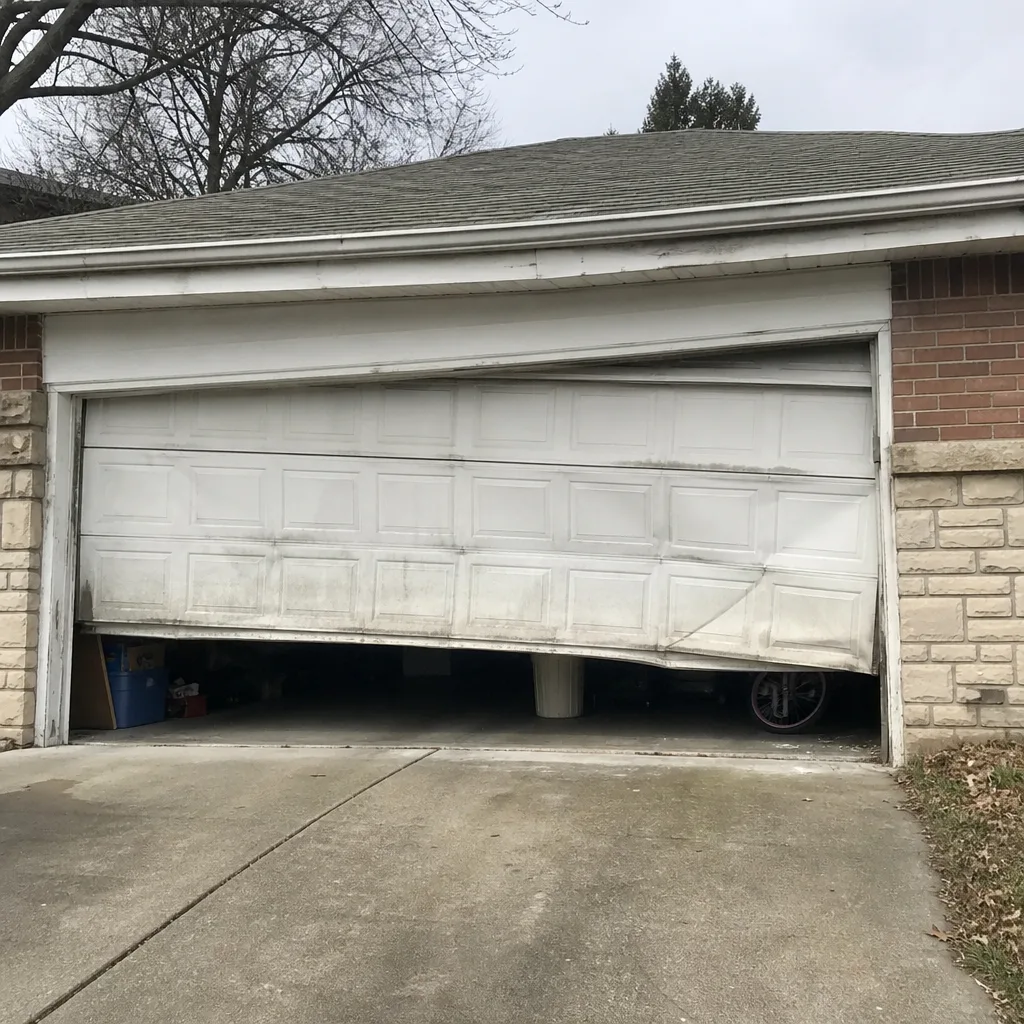 Before
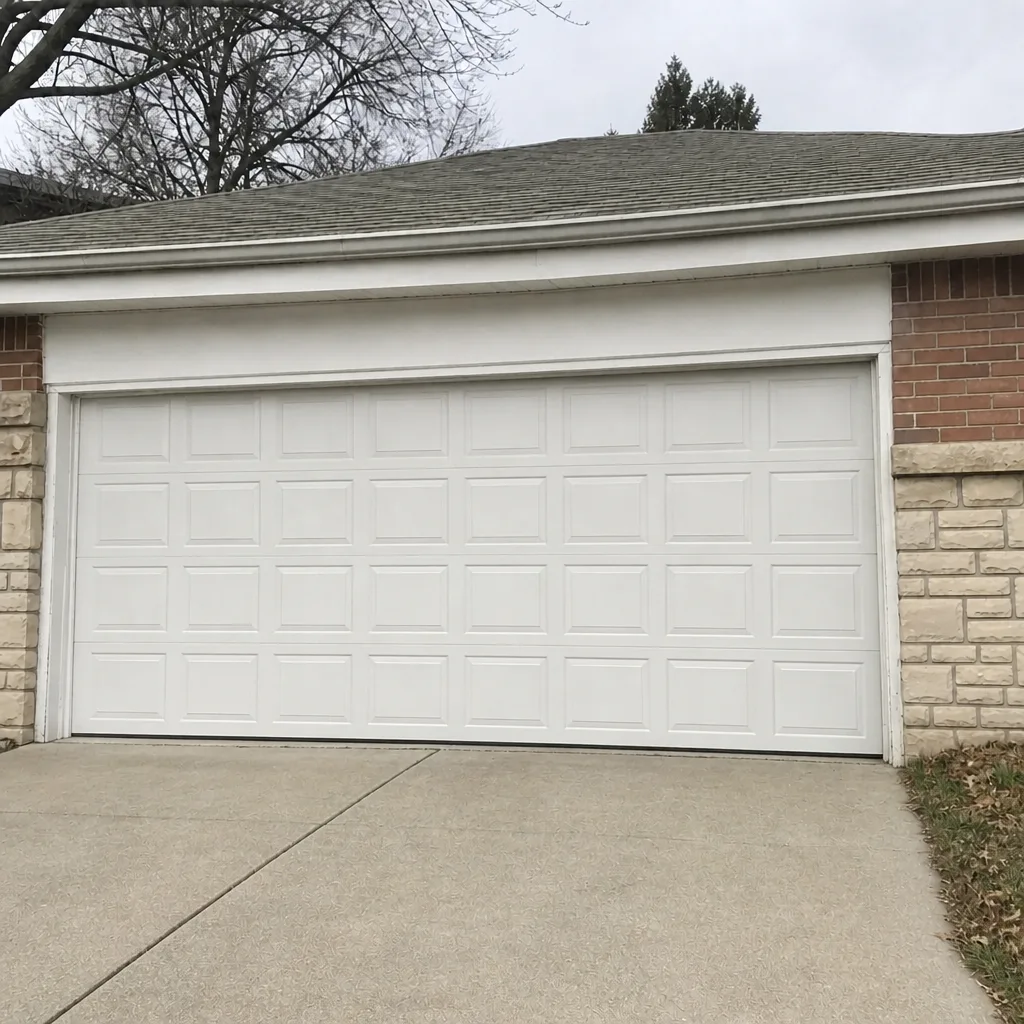 After
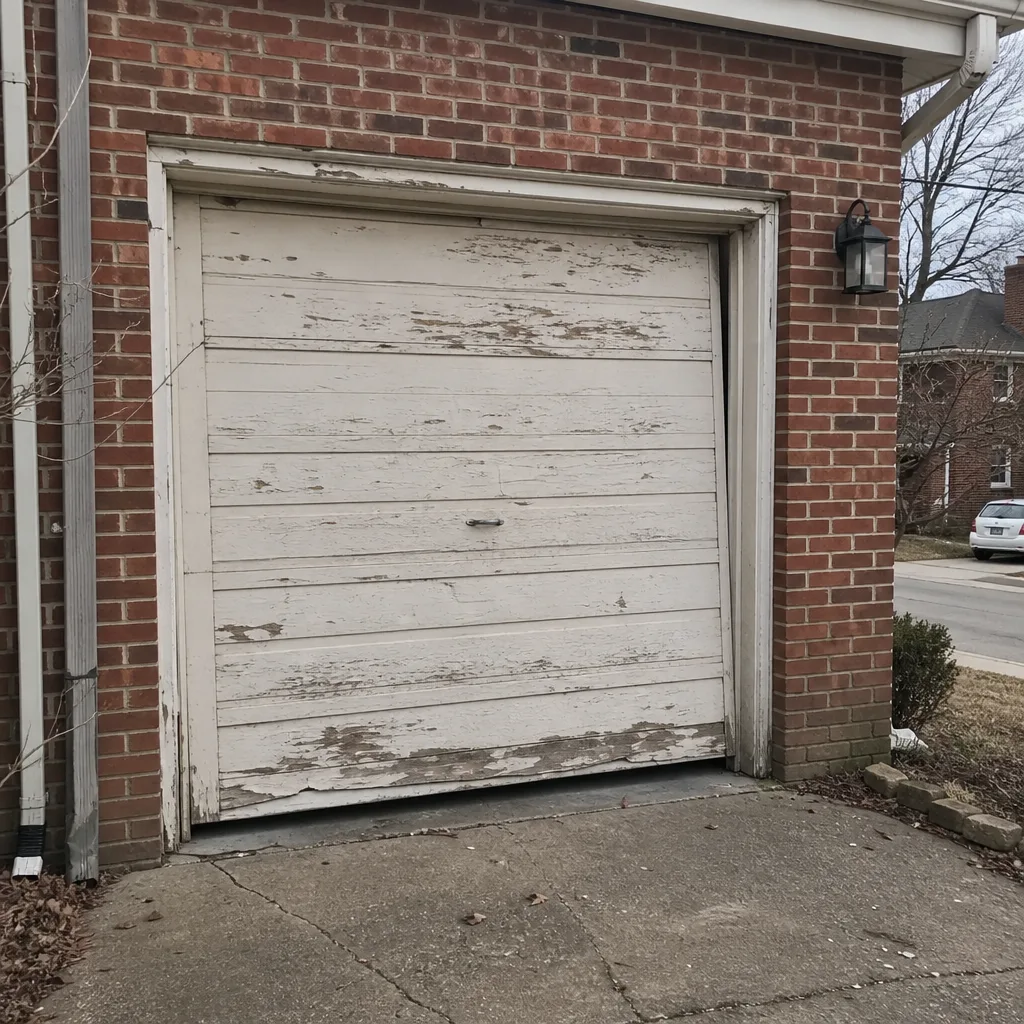 Before
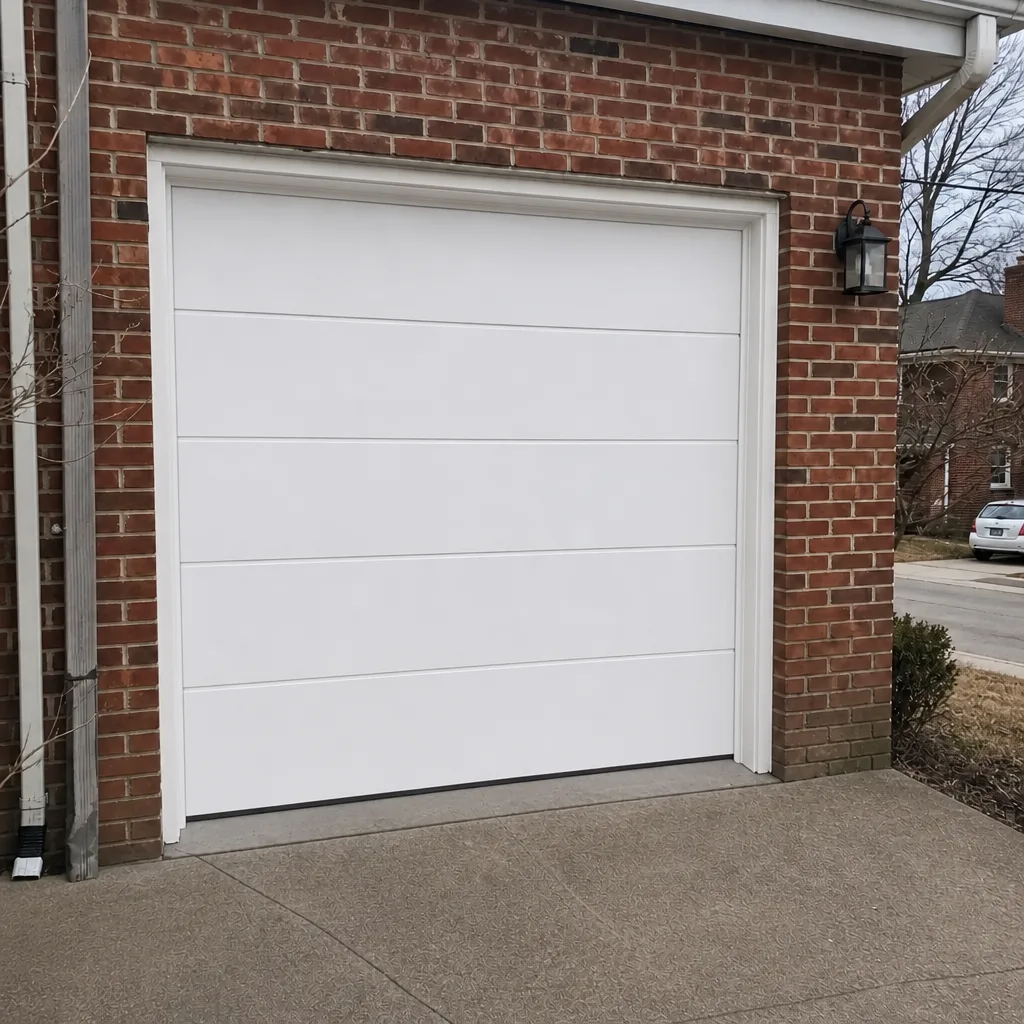 After
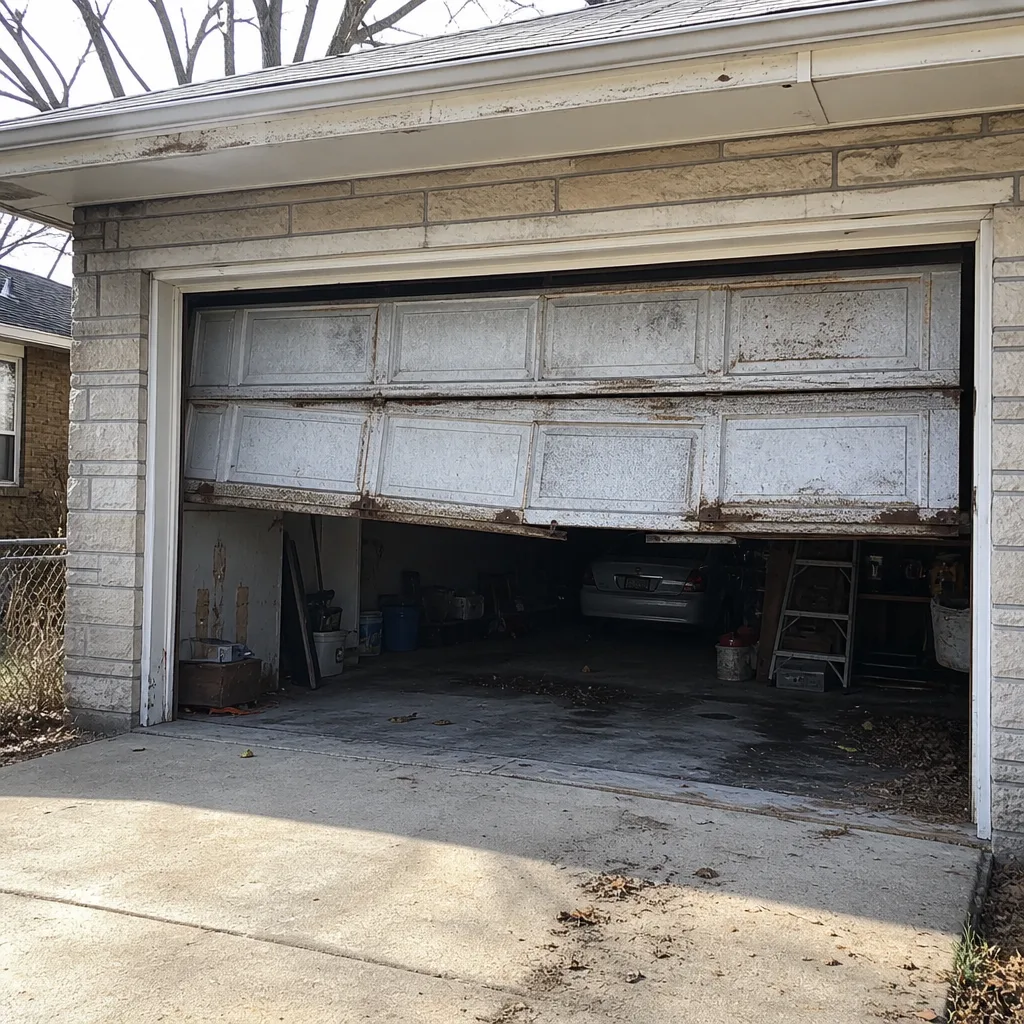 Before
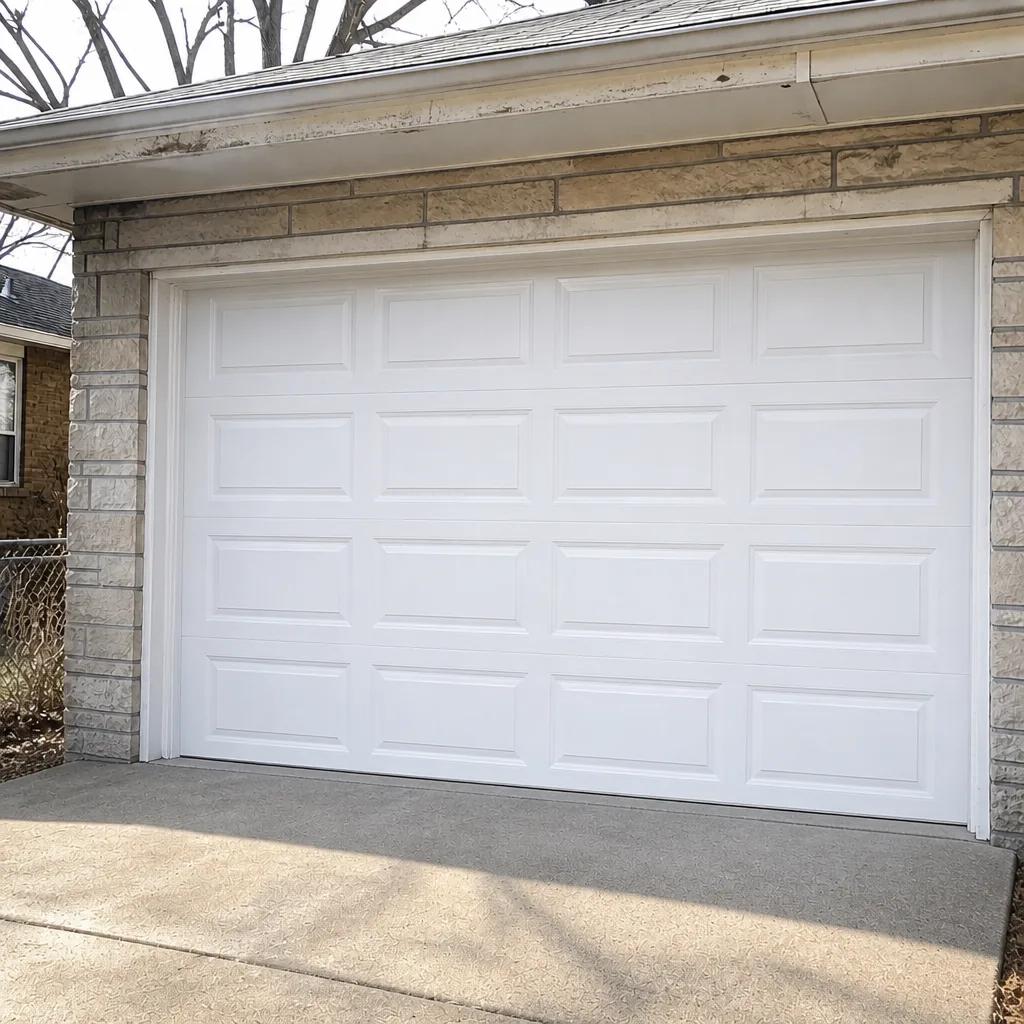 After
When to Call a Professional
Call a technician when the door is hard to lift, when the opener strains under load, when the door won’t close fully, when a spring appears broken, or when the door reverses without hitting anything. Springs, cables, and the high-tension hardware that holds a garage door up are the most dangerous components in a home garage, and the wrong handling causes serious injury. Height work and opener electrical work should also be by a trained professional. We can diagnose the whole system in a single visit because our technicians have up to 13 years of experience and we carry parts directly, so most repairs don’t stall waiting on an order. Garage Door Repair St. Louis Hills offers free estimates – call (833) 991-7150.
Frequently Asked Questions
There’s no single best brand; the right answer depends on parts commonality, local dealer network, and how you want the door to age in the St. Louis climate. That said, Clopay, Amarr, and Raynor are usually the safest starting points because they use broadly standard springs, cables, and hardware that any competent technician can service. Call (833) 991-7150 for an exact quote on repair or installation – estimates are free.
New garage door pricing runs by measurement and specification, not one flat number, because panel profile, steel gauge, insulation method, and window options all change the quote. A standard 24-gauge polystyrene door with a few window panels will land in a different band than a 26/24-gauge double-sided polyurethane door, and lift capacity and opener brand also factor in. Call (833) 991-7150 for a free measurement and a written estimate; the written quote is the price.
No. We quote the work in writing before any of it starts, and that written estimate sets the final price. The measurement is the price-fixing step, so what you agree to is what you’ll pay when the door is installed or repaired; if we diagnose something that isn’t on the estimate, we stop and talk to you first. Call (833) 991-7150 to set up a free estimate.
Yes, same-day repair is normal for us for springs, openers, tracks, and hardware, and we carry parts directly so a broken part doesn’t force a second visit. We aim to diagnose the full mechanical and drive system in one trip, because most repair stalls come from a tech returning to the shop for a part. Call (833) 991-7150 for dispatch.
The local professional we connect you with is licensed and insured as the state requires. We work with trained, experienced technicians, run through the mechanical and opener system as one unit, and quote the work in writing before starting. Call (833) 991-7150 if you want to talk through a specific job.
They hold up, but they show dents and dings faster than 24-gauge steel after a couple of St. Louis winters, so 24-gauge is the minimum we’d recommend for this area. If a quote doesn’t list gauge, ask; if the seller can’t tell you the gauge, that’s a warning sign about the door. For a gauge-and-parts conversation before you buy, call (833) 991-7150.
The Bottom Line
The best garage door brand in St. Louis Hills is the one that uses standard springs and cables, has a real local dealer network, and publishes honest warranty terms. Steel gauge matters – 24-gauge is the floor, and 25-gauge tends to show wear faster after a couple of winters here. Insulation method affects performance more than the badge on the door, and matching door brand to opener brand protects your upgrade path. Pick on parts and serviceability first, and style second; that’s how a door still works well in year fifteen. Our technicians have up to 13 years of experience and handle Clopay, Amarr, Wayne Dalton, and the major opener brands in St. Louis Hills.
If you’re weighing brands or your current door has started to strain, call Garage Door Repair St. Louis Hills at (833) 991-7150 for a free estimate. We’ll measure the opening, walk through the parts specification, and give you a written price you can plan around.
Written by the team at Garage Door Repair St. Louis Hills.