Last updated November 21, 2026
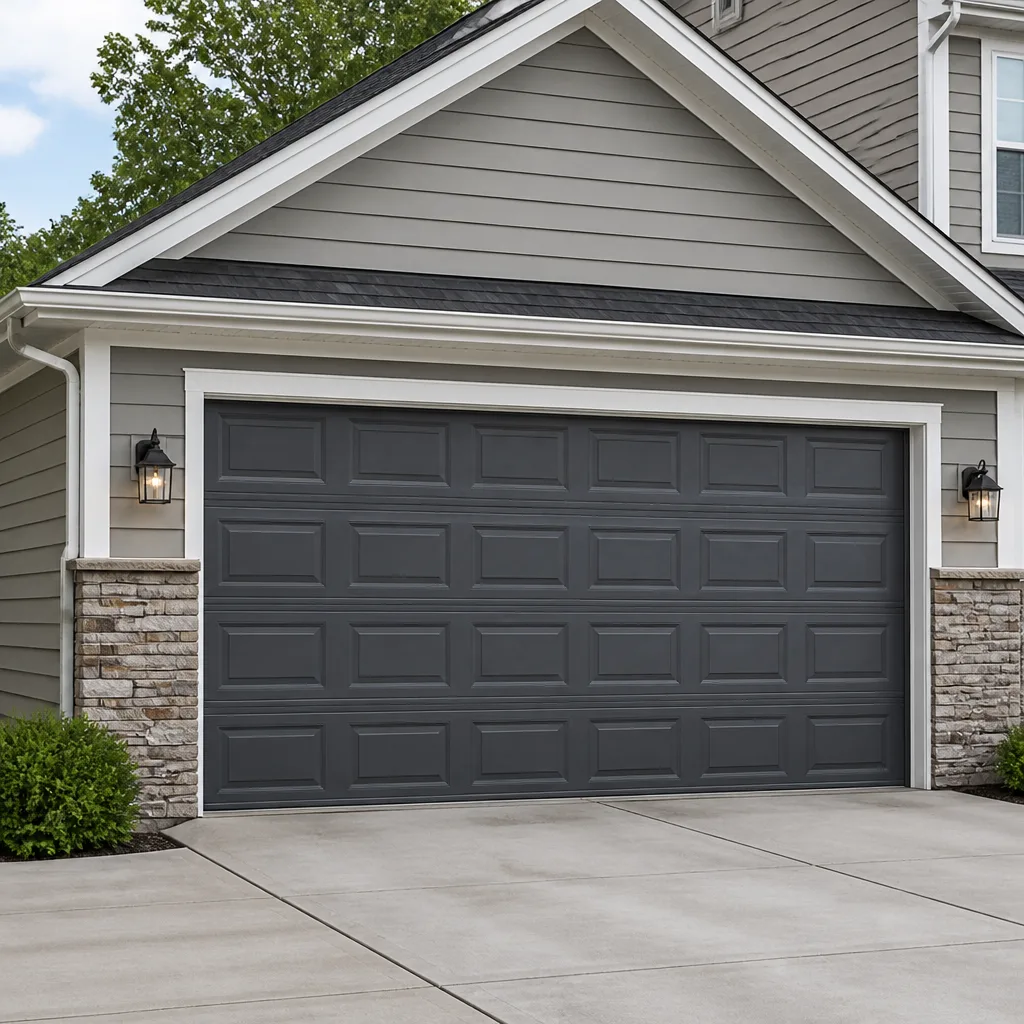 Raised-panel steel
 Carriage house
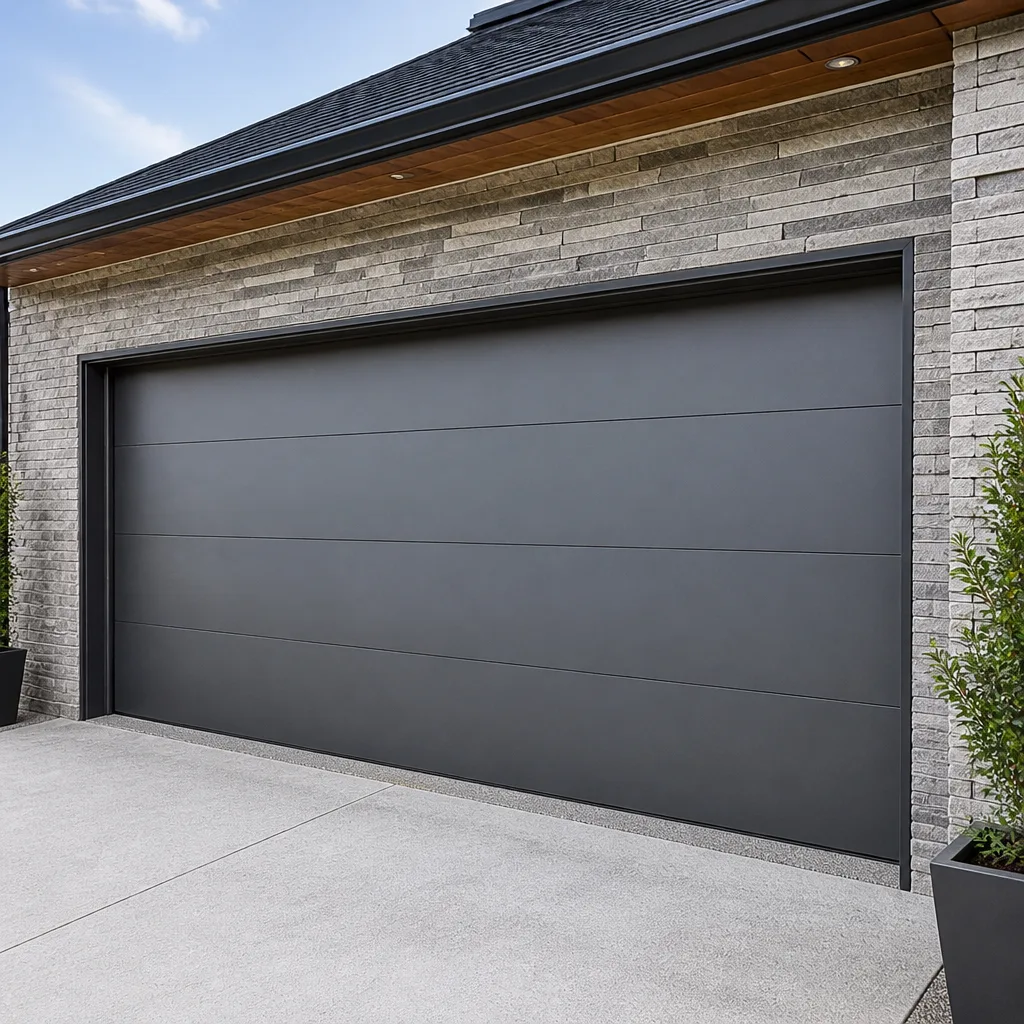 Modern flush
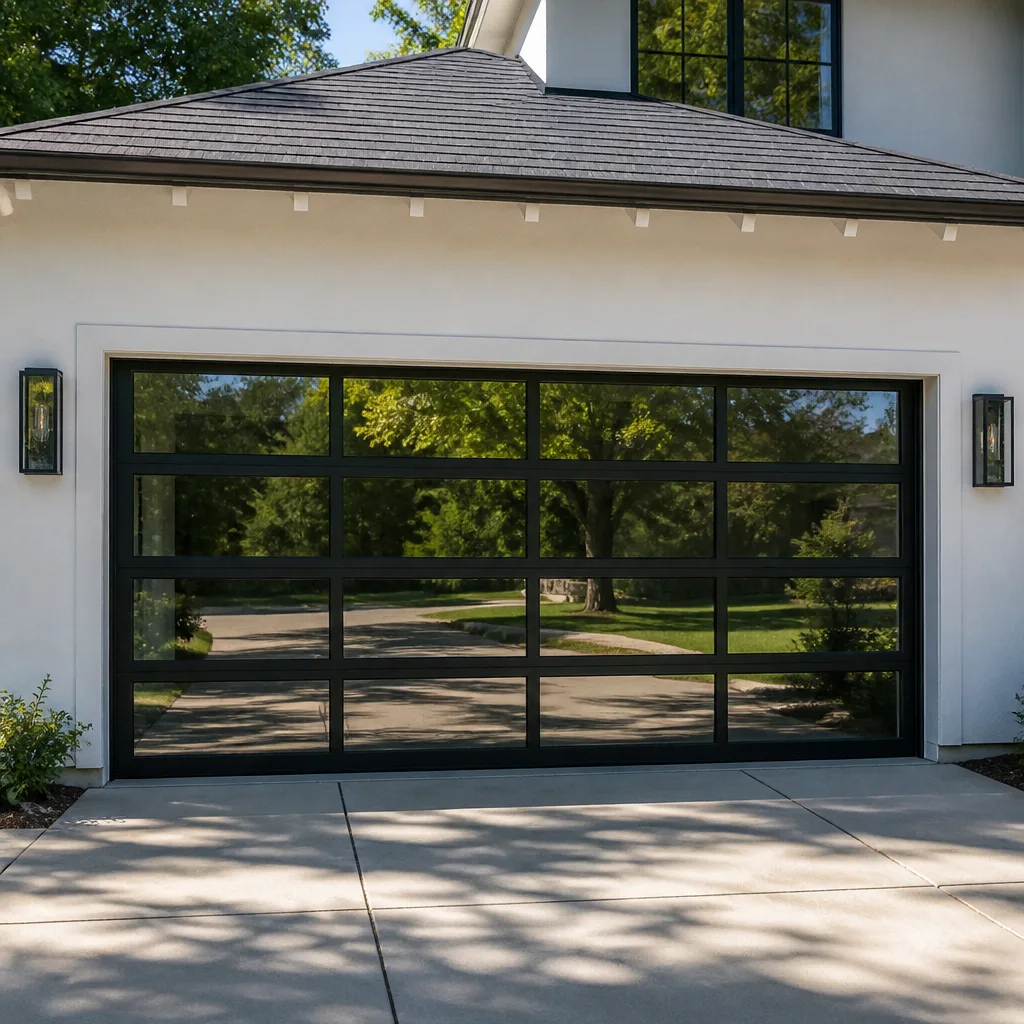 Full-view glass
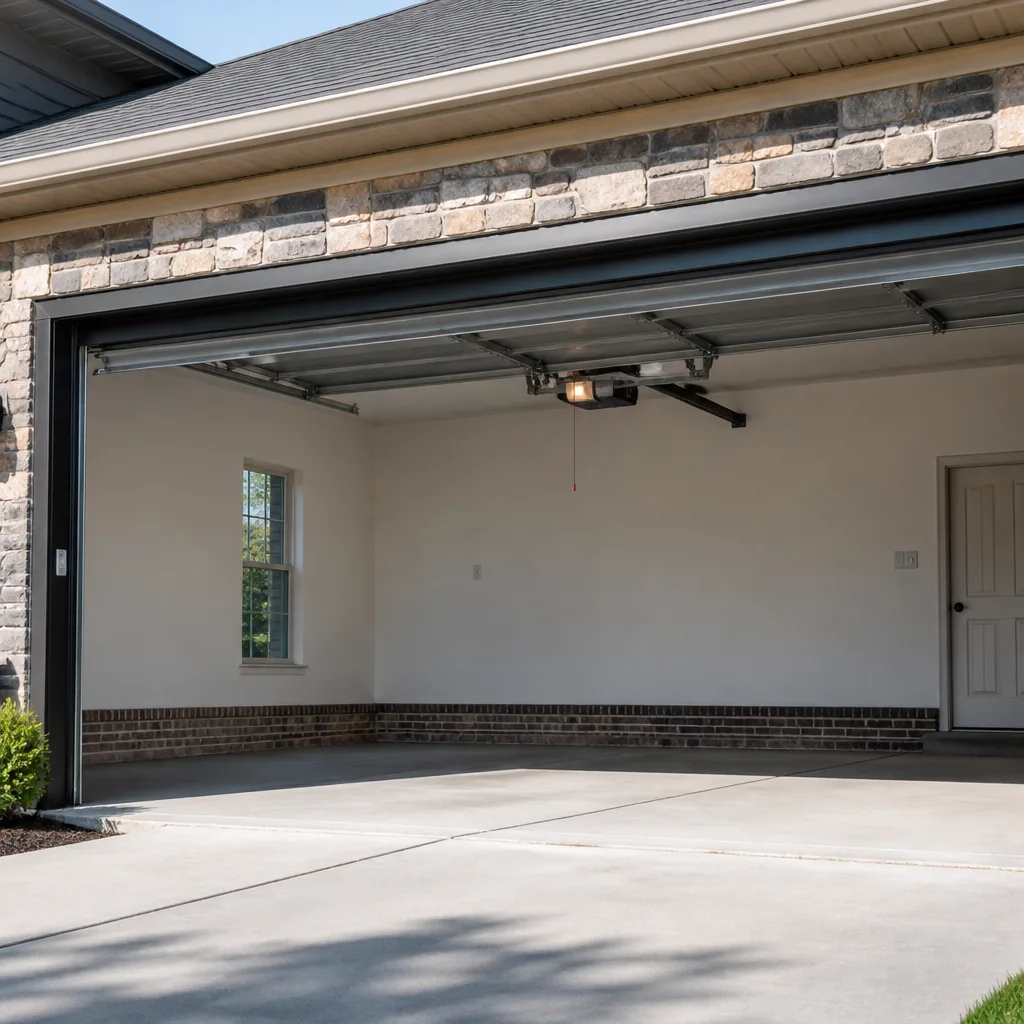 LiftMaster openers
 Chamberlain openers
Full 25-point door and opener safety check with every visit - springs, cables, rollers, tracks, and your LiftMaster or Chamberlain opener included
You get a price before we start. It does not change when the pro arrives.
Get your free estimateGarage Door Repair Maintenance Schedule: What to Do and When
Most maintenance guides tell you to lubricate everything twice a year. That’s wrong for rollers, wrong for the drive chain, and genuinely harmful to your photo-eye sensors. Over-maintaining a garage door is as real a problem as ignoring it, and in St. Louis Hills the cost of getting the intervals wrong shows up in a specific place: the springs, which carry the entire weight of the door and fail fastest when nobody looks at them before the cold arrives. What follows is a calendar built around Missouri’s actual stress points, separating the fifteen-minute seasonal checks you can do safely from the annual work that belongs to a trained technician.
Quick Answer
A garage door needs three things on a schedule: a visual safety check every season, lubrication of hinges and rollers roughly every six months with the right product, and a professional inspection once a year that includes spring tension testing and balance measurement. Springs, cables, and bottom brackets should never be adjusted by a homeowner at any interval. Everything else is either monthly, seasonal, or hands-off.
Styles & brands we work with
- Raised-panel steel
- Carriage house
- Modern flush
- Full-view glass
- LiftMaster openers
- Chamberlain openers
Table of Contents
- Why Your Garage Door Needs a Schedule at All
- Missouri’s Freeze-Thaw Window and Your Springs
- Lubrication: Springs, Hinges, and Rollers Are Three Different Jobs
- The Balance Test: Two Minutes That Tell You a Lot
- Your 12-Month Calendar, Season by Season
- Components You Should Never Touch Between Professional Visits
- What Brand You Own Changes the Details
- What a Professional Annual Visit Actually Covers
Why Your Garage Door Needs a Schedule at All
A garage door is the largest moving object in most homes. It weighs somewhere between a small refrigerator and a motorcycle, and it opens and closes several thousand times a year in a typical St. Louis Hills household. That cycle count is why maintenance isn’t optional: every open and close flexes the springs, rolls the bearings, slides the hinges, and puts load on the opener’s drive gear. Small wear compounds quietly until something lets go.
The pattern we see is consistent. Doors that get attention on a schedule last longer between repairs and fail predictably. Doors that get attention only when something breaks tend to fail in clusters, because one worn part stresses the next and the whole assembly degrades together. A hinge that dries out transfers stress to the roller; a roller that seizes drags on the track; the track misalignment strains the opener. A schedule interrupts that chain before it starts.
There’s also the safety side. Modern garage doors depend on a photo-eye safety system that stops and reverses the door if something crosses the beam, and on a force-setting in the opener that limits how hard the door pushes. Both of those can drift out of adjustment without any obvious symptom, and checking them is quick. It’s the kind of thing a St. Louis Hills homeowner can handle in a couple of minutes each season with no tools.
What a schedule is not is a list of everything you can do to a door. It’s a list of the right things at the right intervals. More maintenance isn’t better maintenance, and some of the common advice floating around actually accelerates wear. That’s the part most guides get wrong.
Missouri’s Freeze-Thaw Window and Your Springs
The single highest-risk window for a torsion spring failure in St. Louis Hills runs roughly from late November through March. The reason is not that cold makes steel brittle in some dramatic way. It’s the freeze-thaw cycle: temperatures swing above and below freezing repeatedly, and the metal in the door, the springs, and the track all expand and contract at slightly different rates. Torsion springs already carry enormous stored energy under tension. That cycling adds stress on top of the normal daily load.
You can’t stop the weather. You can do one thing before it starts, and it’s the check that matters most:
- Test the balance of the door before the first hard freeze. Disconnect the opener (usually a pull cord on the rail) and lift the door by hand to about waist height. A healthy door should stay roughly where you leave it. If it drops or rises on its own, the spring tension has drifted, and that drift will get worse in cold weather.
- Look at the springs while the door is closed. Open-coil torsion springs should have an even, unbroken coil. Visible gaps in the coil, a stretched section, or any sign of rust pitting are reasons to schedule a professional visit before winter rather than after.
- Listen on the way down. A sharp popping or booming sound when the door lowers is not a normal noise. It usually means the spring is under uneven tension, and it’s a call-a-professional signal, not a spray-it signal.
If the balance test shows drift, get it looked at before the freeze sets in. A torsion spring that lets go is loud enough to hear from the end of the block, and when it does, the door is dead weight until it’s replaced. In St. Louis Hills, the week of the first hard freeze tends to be busy for exactly that reason. Getting the check done before then is a lot less disruptive than getting the repair done after.
Springs are the most dangerous component in your garage door system, and we mean that literally. A wound torsion spring stores enough energy to cause serious injury if it’s touched while under load. Never attempt to adjust, unwind, or replace a spring yourself. This is one of the few garage door tasks that has no safe homeowner version.
Lubrication: Springs, Hinges, and Rollers Are Three Different Jobs
This is where blanket advice causes the most damage. “Spray everything twice a year” is wrong on at least three counts. Springs, hinges, and rollers take different products, different amounts, and different intervals, and one of them (the photo-eye sensor) shouldn’t be lubricated at all.
Springs
Torsion springs benefit from a light coat of a proper garage door lubricant, not WD-40 and not a general household oil. The purpose is thin film protection against moisture and a small reduction in friction between coils. Too much product attracts grit, which then acts like sandpaper inside the coil. Once a year, applied sparingly, is enough.
Hinges
Hinges have metal-on-metal movement at the pivot point, so they take lubricant at the joint, not over the whole hinge plate. Every six months is a reasonable cadence for a typical St. Louis Hills home. Too much product just runs down the door and attracts dust.
Rollers
Rollers come in two types, and they behave differently. Steel rollers have bearings that can take a small amount of lubricant. Nylon rollers generally shouldn’t be lubricated at all; they’re designed to run dry, and adding oil can attract grit that wears them faster. Know which you have before you spray anything. Every six months at most, and only the bearings.
Drive chain and screw
This depends on the opener. A garage door opener repair call often comes down to a chain that was over-lubricated and then collected dust. Chain-drive openers typically take a light application of a specific chain lubricant once a year, not more. Belt-drive openers are sealed and take none at all. Jackshaft openers vary. Check your opener’s manual before you touch it, and if you own a LiftMaster or Chamberlain unit, the manufacturer’s guidance is specific and worth following.
Photo-eye sensors and tracks
The photo-eye sensors should be wiped clean with a dry or slightly damp cloth and left alone. Oil or spray on the lens can cloud it, and a clouded lens is a safety failure waiting to happen. The tracks should be wiped clean, not greased. Grease in the tracks collects debris and causes the rollers to skid.
The takeaway: lubrication is a targeted job, not a blanket one. Three products, three intervals, and a dry cloth for the sensors.
The Balance Test: Two Minutes That Tell You a Lot
The balance test is the single most useful quick check in the entire maintenance schedule, because it tells you whether your spring tension has drifted enough to be straining the opener motor. Here’s how it works, and it takes under two minutes.
- Close the door and disconnect the opener. Most openers have a pull cord or release lever on the rail. Pull it so the door is on manual.
- Lift the door to about waist height by hand. Use the handle or the bottom edge, and lift slowly.
- Let go and watch. A properly balanced door stays roughly where you released it, within a few inches either way. It should not sprint up or crash down.
- Lower it partway and repeat. The door should feel manageable, not heavy.
- Reconnect the opener. Give it one full cycle and confirm it engages normally.
What the results mean: a door that drifts down under its own weight has lost spring tension, and the opener has been quietly compensating by pulling harder than it should. A door that rises on its own has too much tension, which is less common but also a problem. Either way, the strain on the opener motor is real, and a door in that condition will wear the opener’s gear and drive faster than a balanced door will. If you own a LiftMaster or Chamberlain opener with a battery backup, the strain on the battery during an outage is worse still, because the opener leans on stored power to move an unbalanced door.
Test the balance three or four times a year, and always before winter. If the door fails the test, don’t try to correct the tension yourself. That’s a spring task, and spring work is professional work. It’s worth noting that in St. Louis Hills, the balance test is often the first sign that a spring is near the end of its life, well before anything visibly breaks.
Your 12-Month Calendar, Season by Season
Here’s the schedule we recommend for St. Louis Hills homes. The tasks are labeled by who should do them: homeowner tasks are safe and simple, professional tasks are not.
Every month (homeowner, 5 minutes)
- Wipe the photo-eye lenses with a dry cloth and confirm the door reverses when you break the beam with a hand or a box.
- Look at the door’s springs while it’s closed; note any change from the previous month.
- Listen for new noises on open and close.
Spring (homeowner, 15 minutes)
- Clean the tracks with a dry cloth and check for dents, kinks, or debris.
- Lubricate hinges at the pivot points if it’s been six months.
- Test the door’s balance (see above).
- Tighten only the fasteners that are specified as owner-tightenable in your door’s manual. Not the track bolts, not the spring hardware, not the bottom bracket.
Summer (homeowner, 15 minutes)
- Inspect the weather seal at the bottom of the door for cracks or gaps.
- Check the hinges again; Missouri humidity can accelerate corrosion on older hinges.
- Wipe down the opener housing and clear any dust from the vents.
- Confirm the opener’s force setting by placing a small object under the closing door; it should reverse on contact. If it doesn’t, call us.
Fall (homeowner, 15 minutes plus one professional visit)
- Do the pre-winter balance test described above. This is the highest-priority seasonal check in St. Louis Hills.
- Apply light lubricant to the springs if it’s been a year.
- Lubricate the rollers’ bearings or wipe the nylon rollers dry, whichever your door uses.
- Schedule the annual professional inspection before the first hard freeze.
Winter (homeowner, 10 minutes)
- Clear any snow or ice from the bottom seal and the floor under the door.
- Test the safety reverse function twice: once with the photo-eye beam and once with an object on the floor.
- Watch for cracking in the weather seal and replace it if it splits.
Once a year (professional)
- Spring tension testing and adjustment.
- Cable inspection.
- Roller wear assessment and replacement of anything past service life.
- Track alignment and bolt torque (the fasteners homeowners shouldn’t touch).
- Opener gear, drive, and force-setting check.
- Full balance and safety reverse verification.
Written this way, the total time a homeowner spends on their door in a year is roughly an hour, spread across a handful of short sessions. The rest belongs on a schedule with a professional. That split is what keeps a door quiet and a spring intact year after year in St. Louis Hills.
Components You Should Never Touch Between Professional Visits
Well-meaning homeowners tighten the wrong bolts every spring. We’ve seen it enough times to know it’s not a rare mistake. Some garage door components are safe for a homeowner to look at; a few are strictly hands-off, and touching them is how a small problem becomes a big one.
Never touch these
- Torsion springs and the spring anchor plate. Enormous stored energy; any adjustment is dangerous.
- The bottom bracket. This is where the cable attaches, and it’s under cable tension. Loosening it can send the cable flying.
- The cables themselves. Cable tension is set by the springs; do not adjust, tighten, or remove.
- The center bearing plate bolts. Torque is set for a reason.
- Track mounting bolts. Tightening these can pull the track out of plumb and cause the door to bind.
Look, don’t touch
- The photo-eye sensors. Clean the lenses; don’t reposition them unless they’ve clearly been bumped.
- The opener’s force setting and travel limits. If the door doesn’t close all the way, call a professional rather than dialing the setting up. Higher force settings are how doors become dangerous.
The underlying rule: any component that stores energy (springs, cables, the door itself when partially open) or that sets a mechanical alignment (tracks, brackets) belongs to a trained technician. What’s left is cleaning, listening, and testing, which is plenty for a homeowner to do on a schedule. For anything on the hands-off list, a garage door repair visit is the right move, and calling early usually means a smaller job than waiting.
What Brand You Own Changes the Details
Maintenance intervals don’t change much door to door, but the specifics do: which lubricant the manufacturer recommends, whether the rollers are steel or nylon, whether the opener has a belt or chain drive, and whether the safety system needs a specific test method. That’s why we work on the brands St. Louis Hills homeowners actually own instead of guessing.
A Craftsman opener from a previous decade often takes a different chain-lubricant schedule than a newer one. A Raynor door from the same era may have a spring setup that’s easy to misread on a visual inspection. LiftMaster and Chamberlain openers have specific photo-eye checks in their manuals, and a fleet of other brands have their own. We’re factory-familiar with those four plus Genie, Clopay, Amarr, and Wayne Dalton, which together cover the vast majority of homes in the area.
Why this matters for a maintenance schedule: the right interval for your door is partly determined by what’s actually on it. A door with steel rollers needs different care than one with nylon. An opener with a belt drive needs almost no lubrication while a chain-drive unit needs the right product once a year. Knowing your brand means knowing the right part and the right fix, rather than generic advice that might not apply. When we come out for an annual visit, we’re checking against your specific system, not a generic checklist.
If you’re not sure what you own, that’s fine. We can usually identify it from the door’s hardware, the opener’s housing, or a quick look inside the opener cover. And if a part needs replacing, we stock and supply garage door parts directly, which means most repairs don’t stall waiting on a third-party order. That’s the difference between a same-visit fix and a week of a dead door.
What a Professional Annual Visit Actually Covers
The homeowner portion of this schedule is about a quarter of the total work. The annual professional visit is the other three quarters, and it includes every task a homeowner can’t safely do. Here’s what an annual visit looks like.
- Full door cycle observation. We watch and listen through several open-and-close cycles, looking for hesitation, noise, binding, or speed changes.
- Balance and spring tension testing. Disconnect the opener and check the counterbalance. Measure torsion spring tension and compare against the door’s spec.
- Cable inspection. Cables fray over time, and a frayed cable is a future snap. It’s a look-and-replace task at this level.
- Roller and hinge assessment. Identify rollers past service life, check hinges for cracks and joint wear, replace anything failing.
- Track alignment. Check plumb, level, and parallel. Track bolts get torqued to spec, not “tightened by feel.”
- Opener review. Gear and drive inspection, force-setting verification, safety reverse test, photo-eye test.
- Hardware check. Fasteners, brackets, and bearings inspected against manufacturer spec.
The point of the annual visit isn’t to sell you something. It’s to find small issues before they become the kind that ends with a broken spring or a dead opener on a Sunday morning. Our technicians have up to 13 years of experience and work across the full system, so a single visit covers doors, springs, tracks, panels, hardware, and the opener, rather than handing off one part of the job to someone else.
For garage door installation and full replacements, the schedule starts at the same point. A new door benefits from the same calendar starting on day one, and the annual professional visit is when we check the manufacturer’s break-in adjustments and get the balance right for the door’s first winter. In St. Louis Hills, that first winter is the real test of the install.
Common Mistakes to Avoid
- Spraying lubricant on the photo-eye sensors. The lenses should be wiped clean and left alone. Lubricant clouds the lens, which can cause a safety-system failure, and a safety-system failure is exactly what you don’t want in a St. Louis Hills home where the garage is often the main entry.
- Lubricating nylon rollers. Nylon rollers are designed to run dry. Adding oil attracts grit that wears them faster, not slower.
- Greasing the tracks. The tracks should be wiped clean, not greased. Grease traps debris and the rollers skid instead of rolling.
- Adjusting the opener’s force setting because the door is slow. A slow or struggling door usually means a spring problem, not an opener problem. Raising the force setting masks the cause and makes the door harder for the safety reverse to stop.
- Tightening track bolts every spring. Track bolts are set for alignment, not clamping force. Tightening them can pull the track out of plumb and cause binding.
- Skipping the balance test before winter. This is the cheapest, fastest check in the whole schedule and the one most likely to prevent a broken spring in St. Louis Hills.
- Assuming the door “sounds fine” so nothing needs attention. Many spring issues develop without any change in sound. The balance test catches them when listening can’t.
See the difference
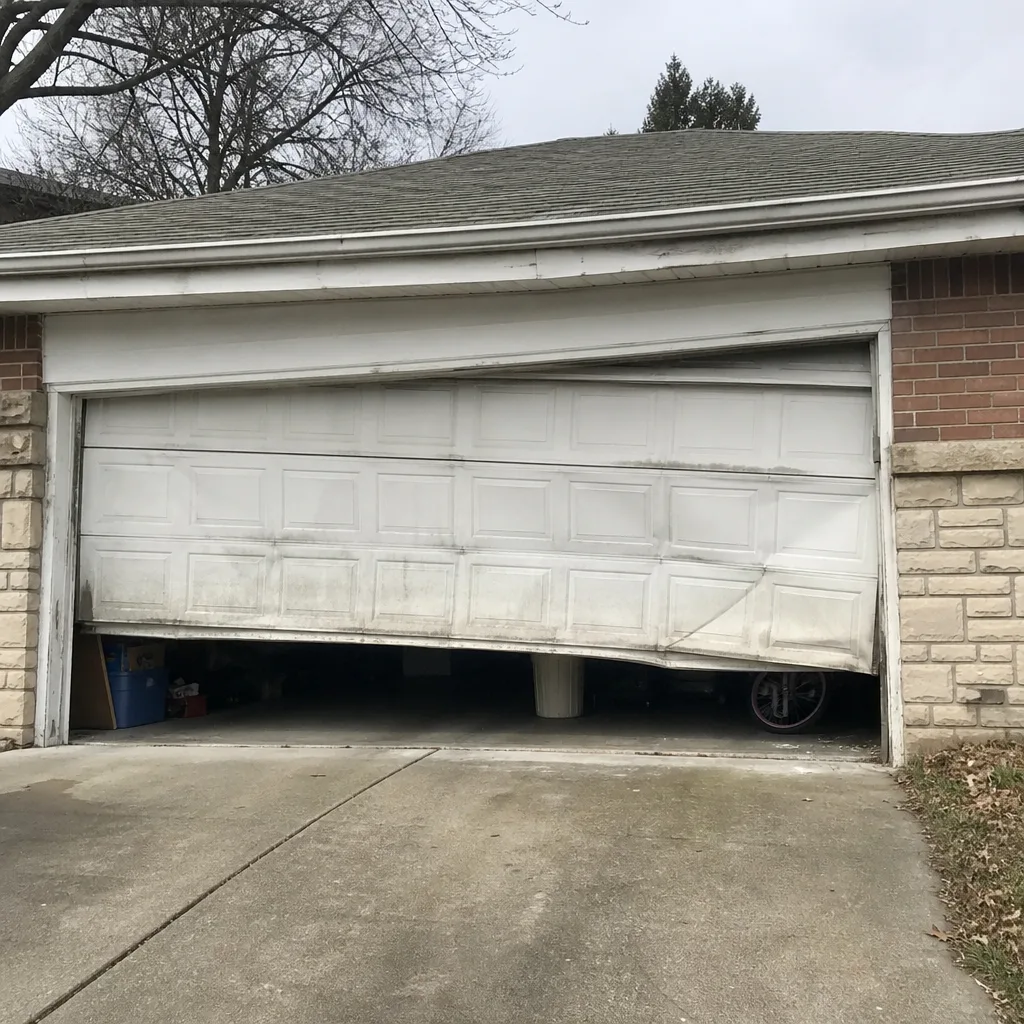 Before
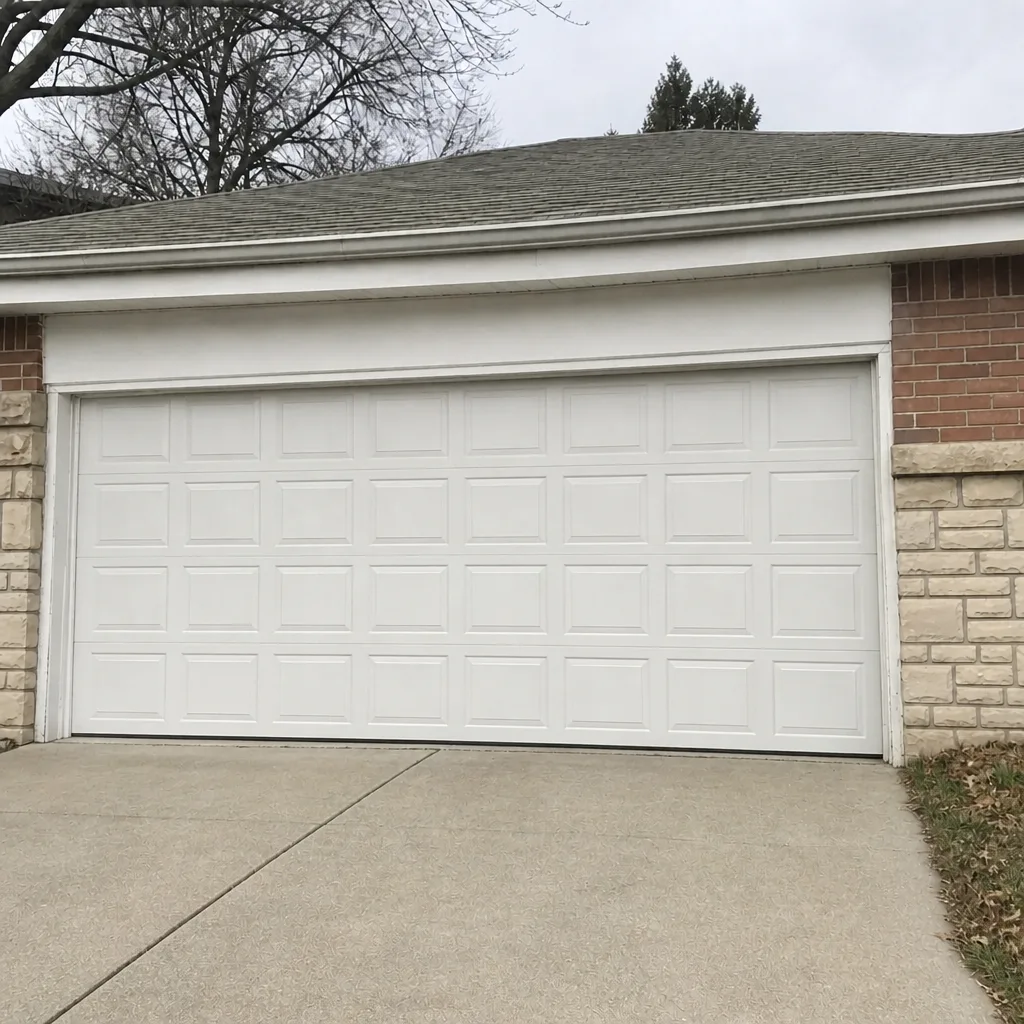 After
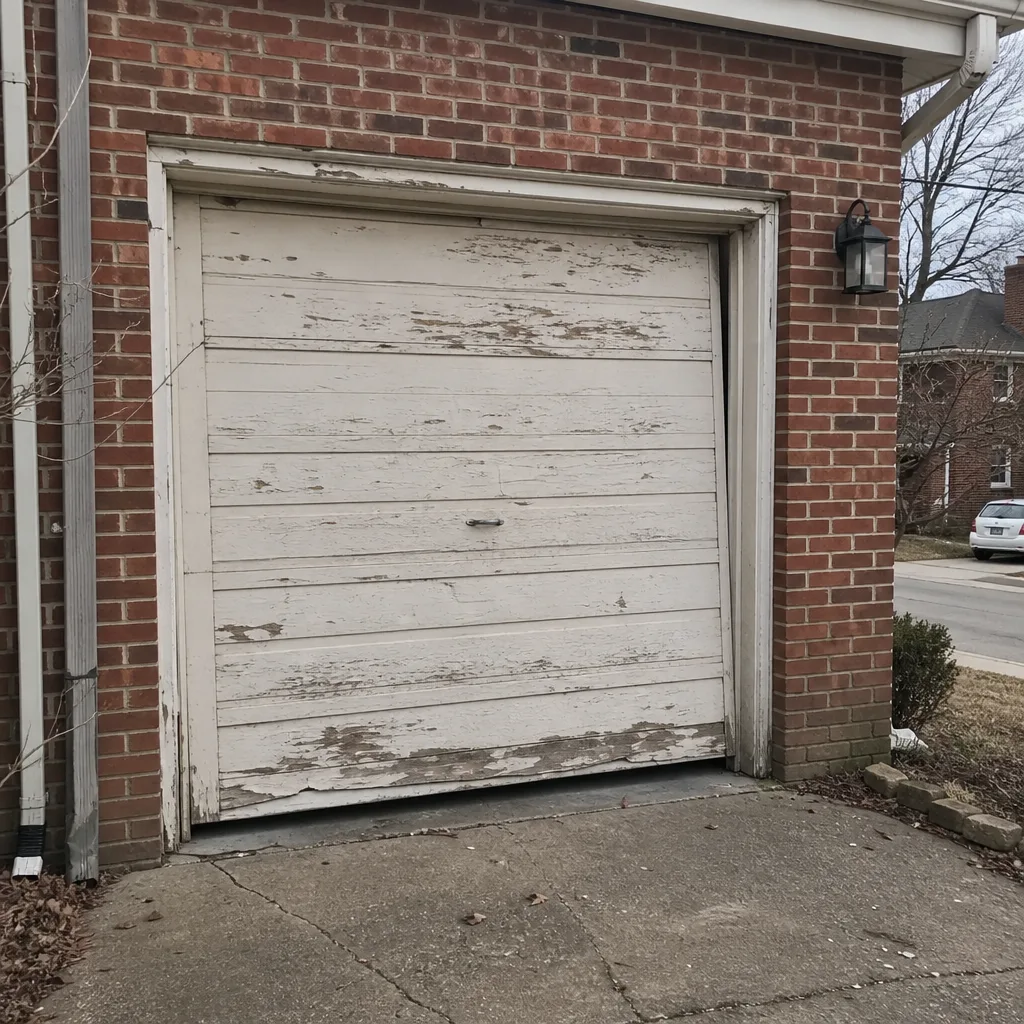 Before
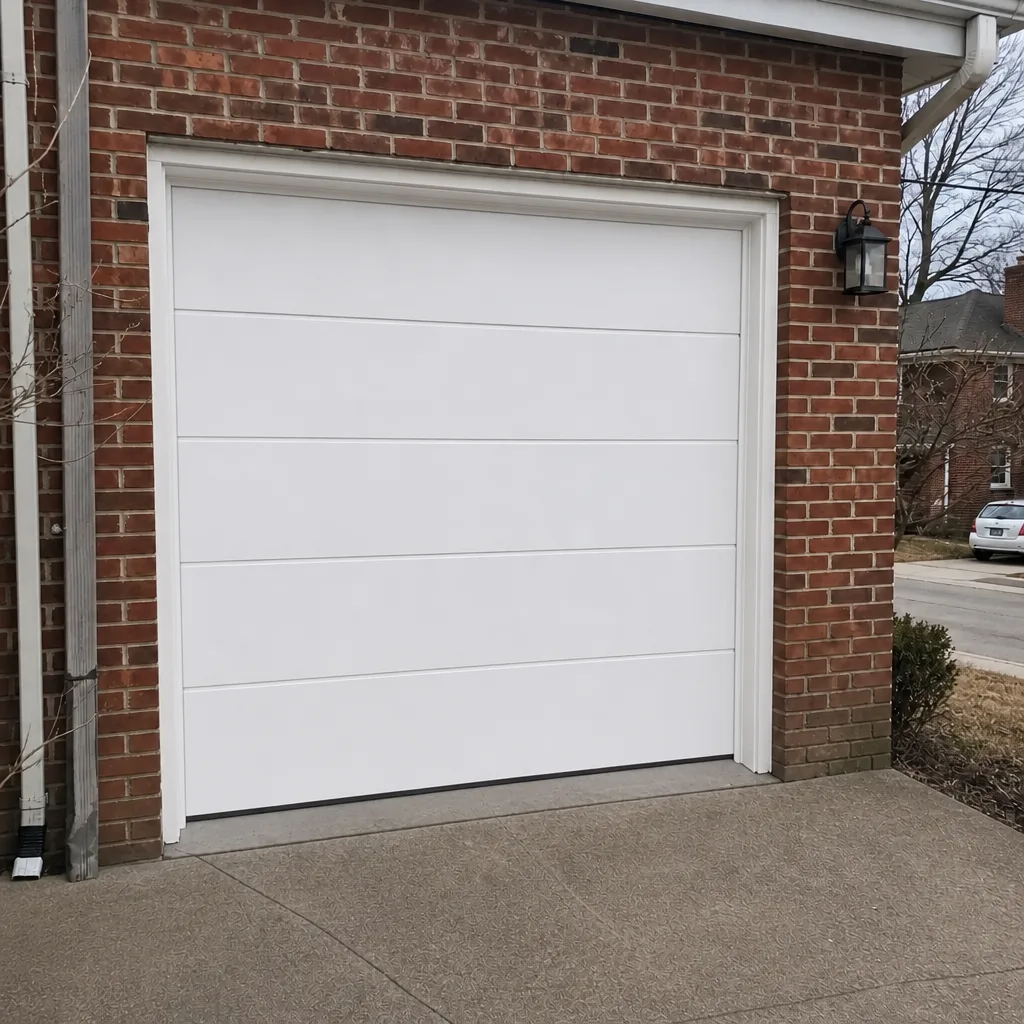 After
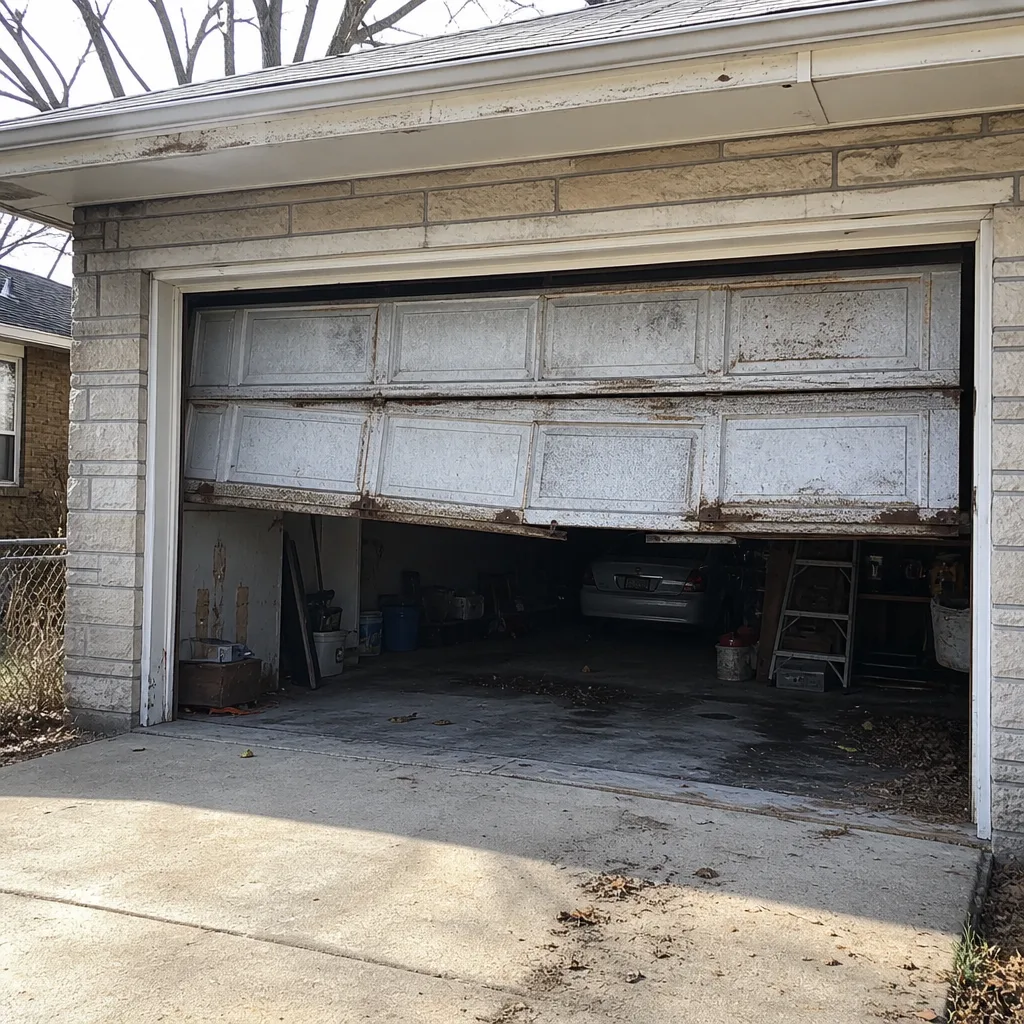 Before
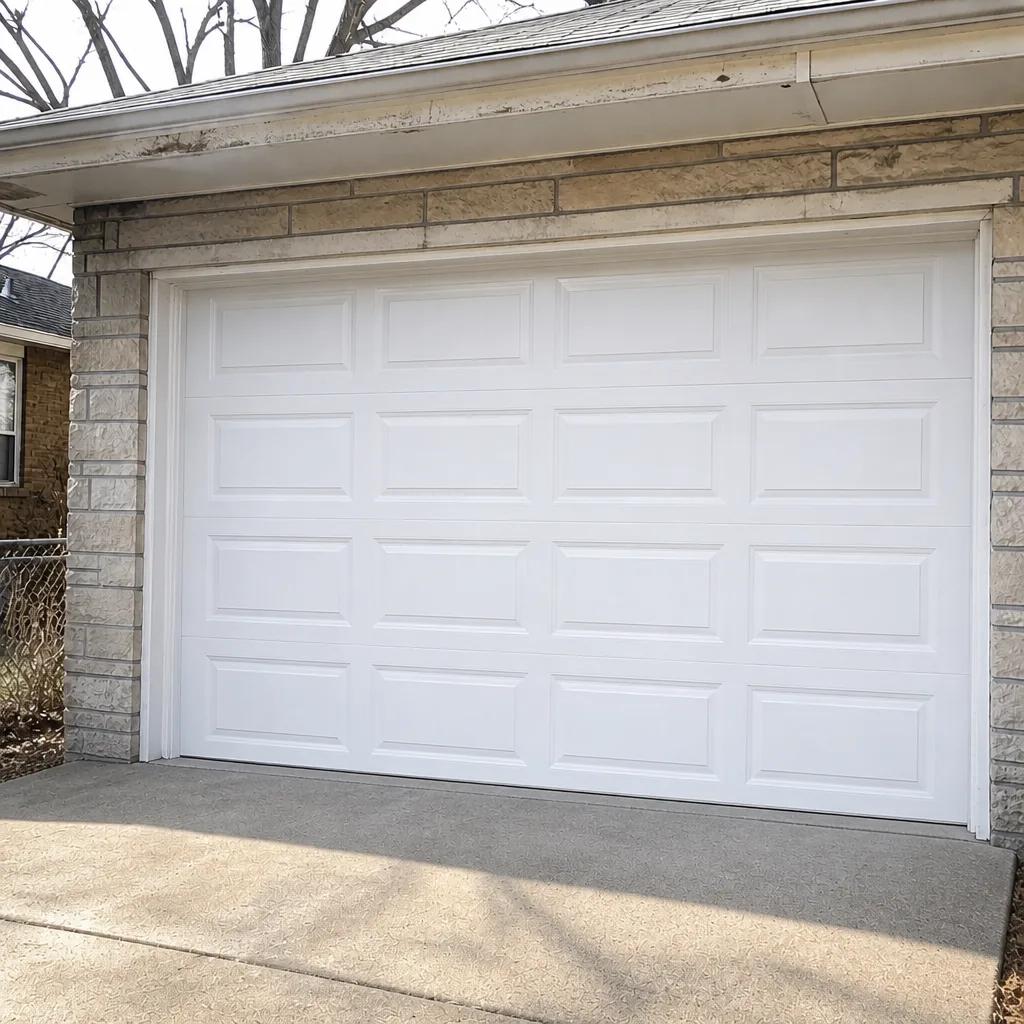 After
When to Call a Professional
Call us when something on the hands-off list is involved, or when the balance test shows drift that doesn’t correct within a few inches. Call if the door reverses on its own mid-travel, if a spring visibly gaps or snaps, if the door hangs crooked, or if the opener runs but the door doesn’t move. Call if you hear a loud crack from the garage, even if nothing looks wrong afterward, because a damaged spring can sit quietly until the next cycle. Call if the safety reverse test fails (a proper test is place a small box on the floor, close the door, and see if it reverses on contact). And call if you haven’t had a professional look at the system in a year or more, even if everything seems fine. Garage Door Repair St. Louis Hills offers free estimates in St. Louis Hills, and our team works on LiftMaster, Chamberlain, Genie, Clopay, Amarr, Wayne Dalton, Craftsman, and Raynor systems, so we can diagnose what you have on the same visit. Call (833) 991-7150 for a free estimate and a written price before any work begins.
Frequently Asked Questions
Every six months for hinges and roller bearings, once a year for springs and chain-drive opener chains, and never for nylon rollers or the photo-eye sensors. Lubrication isn’t a blanket task; too much product is as bad as too little on most components. When in doubt, check your door and opener manuals, or call (833) 991-7150 and we can tell you what your specific system needs.
Disconnect the opener, lift the door to waist height by hand, and let go. A healthy door stays roughly where you left it. A door that drifts down has lost spring tension and is straining the opener motor; a door that drifts up has too much.
Homeowners can safely do the monthly photo-eye checks, the seasonal balance test, track cleaning, and lubricating accessible hinges and rollers. Anything involving springs, cables, the bottom bracket, or the opener’s force setting should be professional work. If you’re not sure where the line is, err on the side of calling.
The freeze-thaw cycle between late November and March repeatedly expands and contracts the door, track, and springs at slightly different rates, which adds to the daily load on springs that are already under heavy stored tension. A pre-winter balance test catches drift before the cold finishes it off.
Usually yes, for a while. But skipping the annual inspection means spring tension, roller wear, cable condition, and track alignment go unchecked for a year, and those are the exact issues that turn a small repair into a broken-spring visit. It’s a false economy in most St. Louis Hills homes.
The local pros we connect you with are licensed and insured as their state requires. When you call (833) 991-7150, we’ll confirm the specifics for your job before we book anything. Estimates are free.
No. We inspect the door, quote the work before it starts, and the written quote is the price. If we find something additional during the job, we stop and quote that separately before any of it is done.
The Bottom Line
Garage door maintenance in St. Louis Hills isn’t about doing everything all the time. It’s about doing the right things at the right intervals: monthly photo-eye checks, a pre-winter balance test, targeted lubrication every six months, and one annual professional visit that covers springs, cables, tracks, and the opener. Leave the springs and cables alone, keep the sensors clean and dry, and know your brand so the right part gets the right product. That’s the whole schedule. If you want it done right, or if anything on the hands-off list needs attention, call Garage Door Repair St. Louis Hills at (833) 991-7150 for a free estimate. Estimates are free, the price is agreed before any work starts, and our technicians have up to 13 years of experience across the brands you actually own. For Garage Door Repair St. Louis Hills, the calendar is simple, and it works.
Written by the team at Garage Door Repair St. Louis Hills.