Last updated November 21, 2026
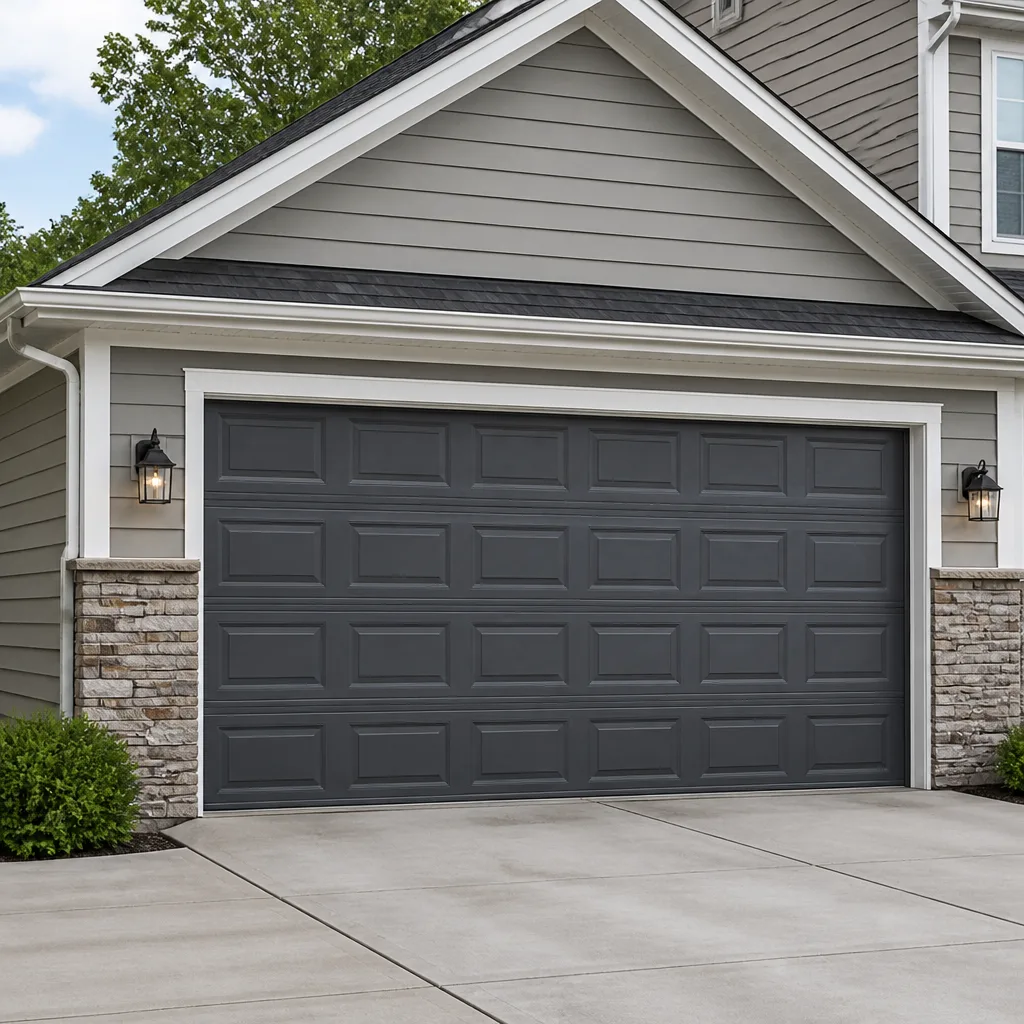 Raised-panel steel
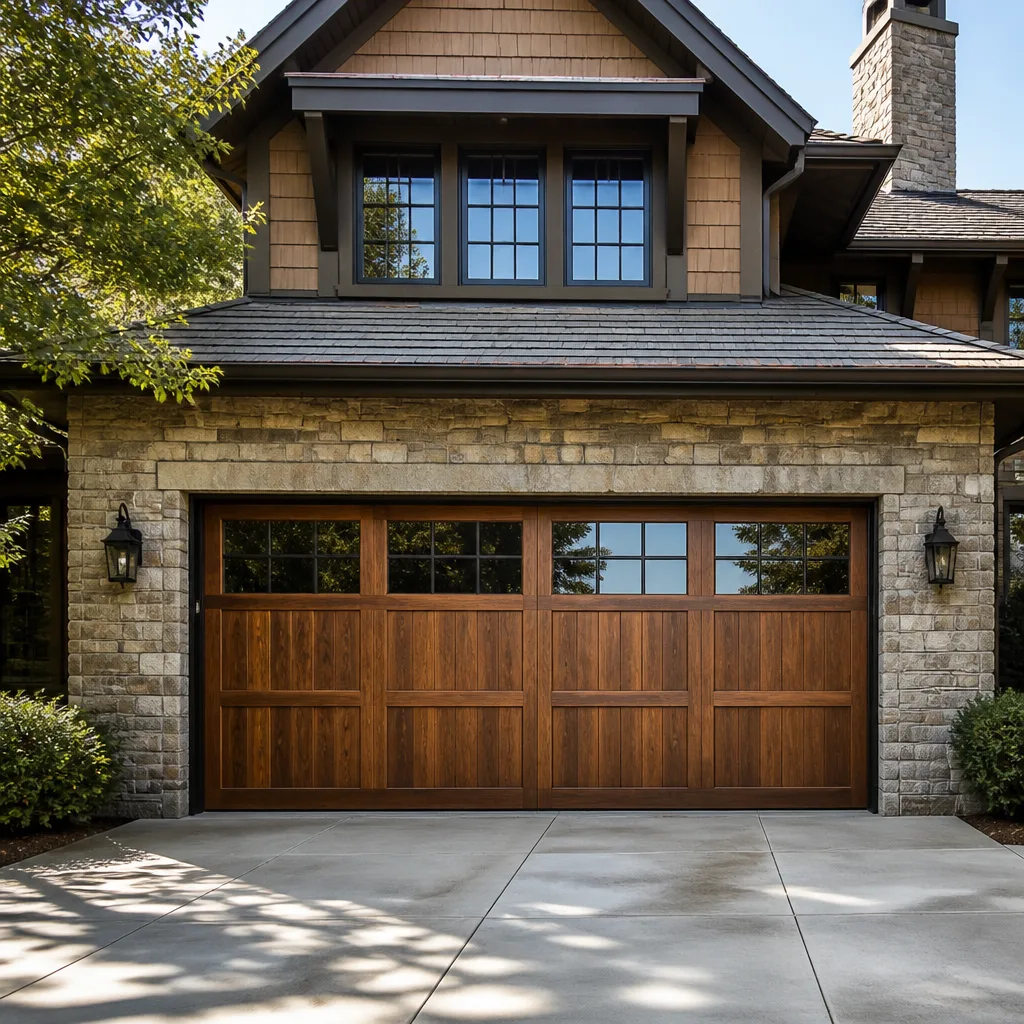 Carriage house
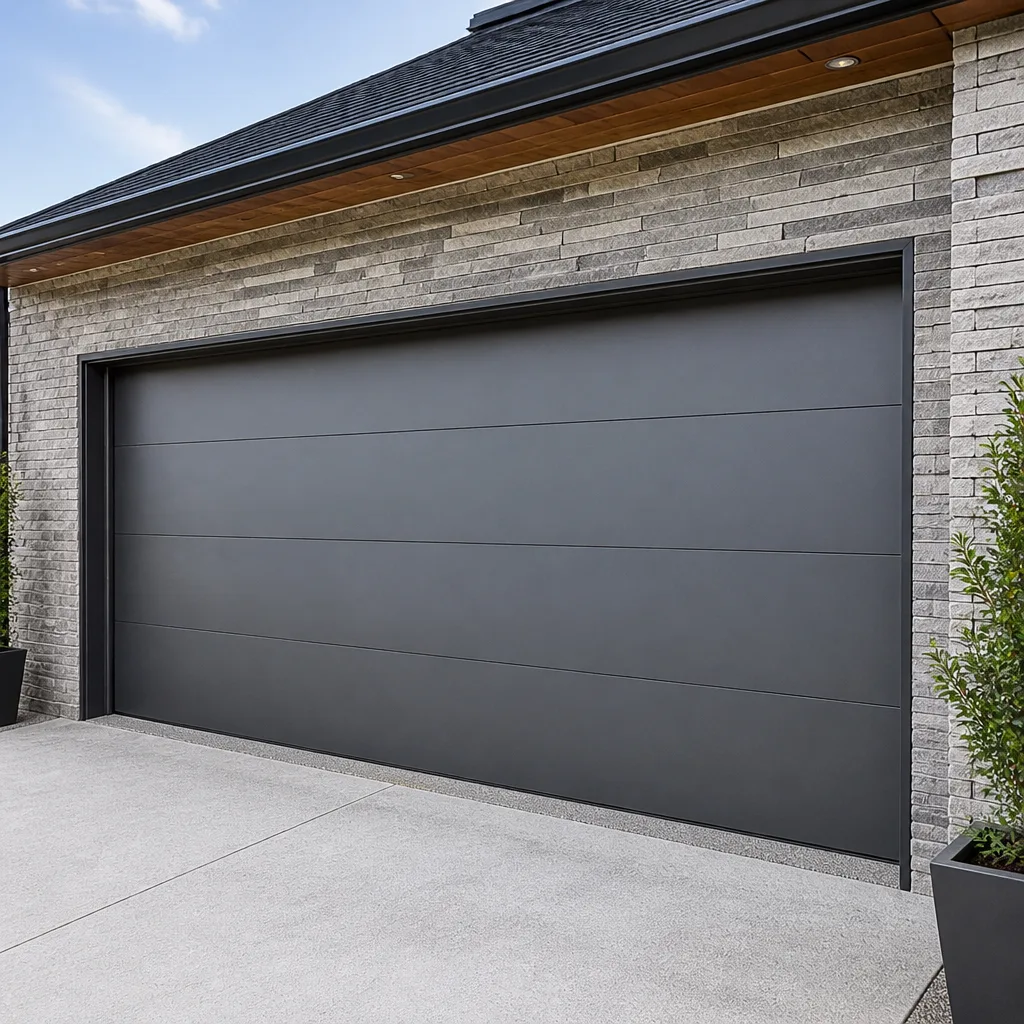 Modern flush
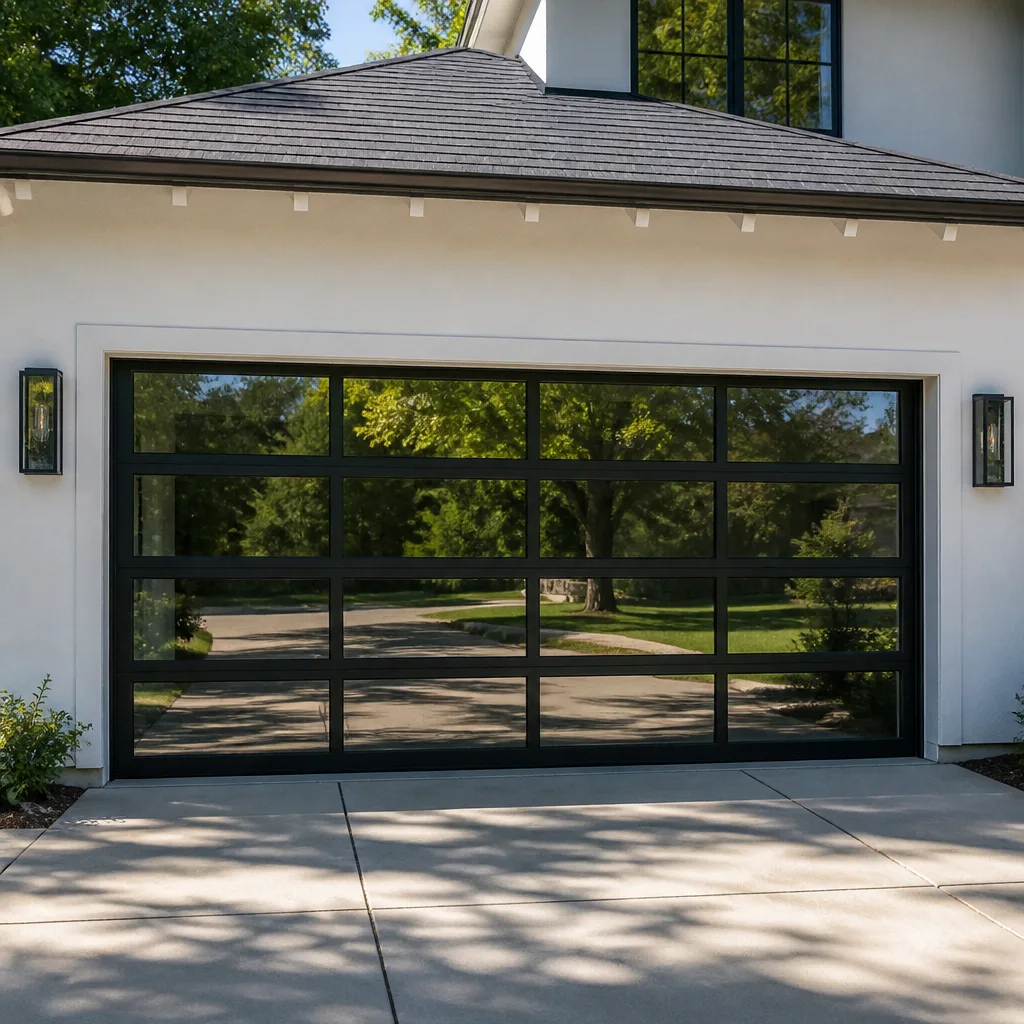 Full-view glass
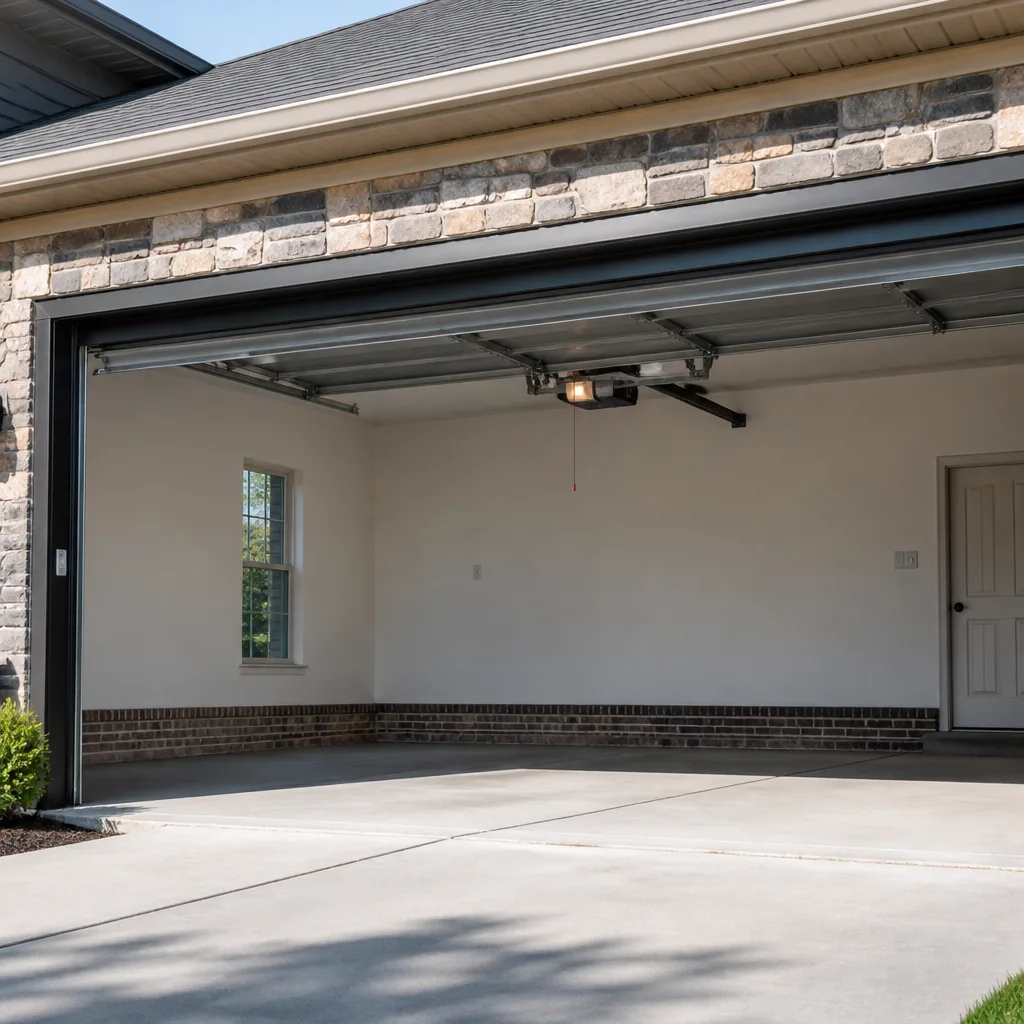 LiftMaster openers
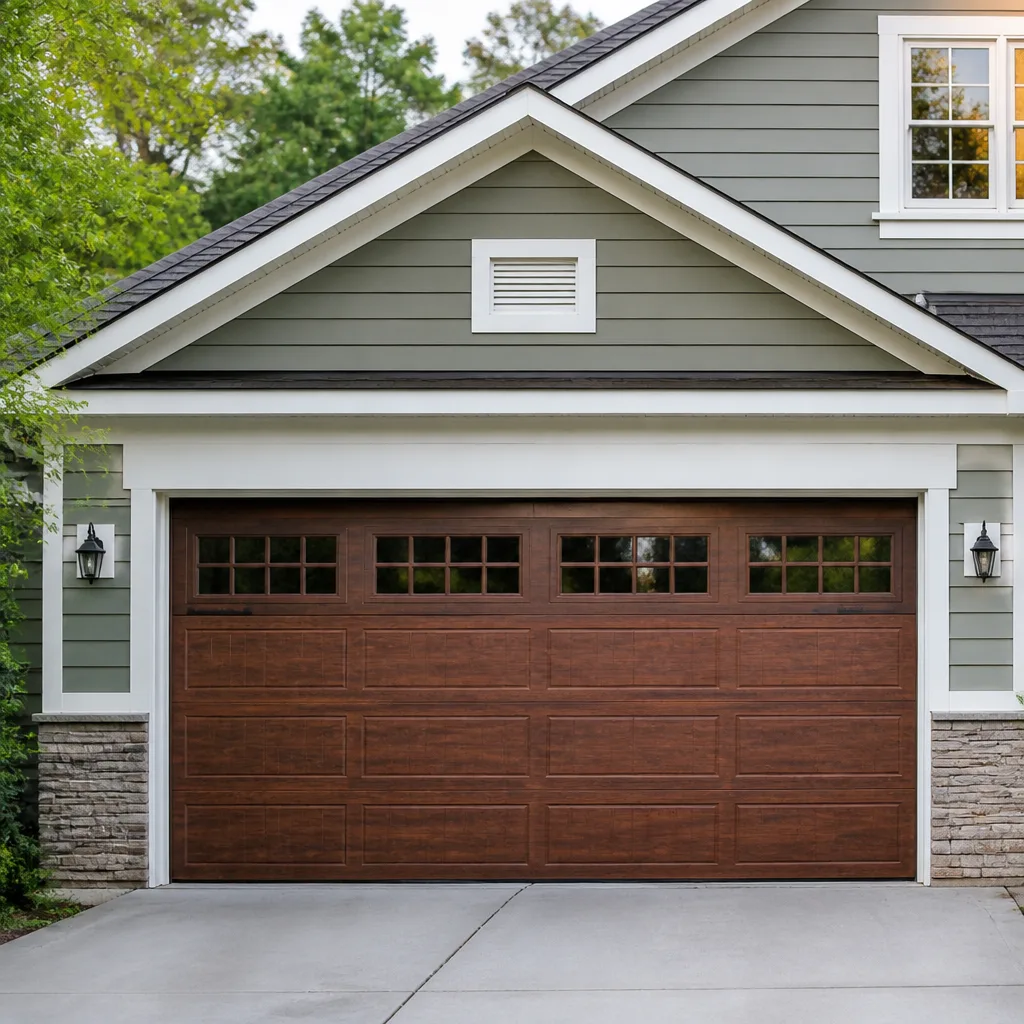 Chamberlain openers
Full 25-point door and opener safety check with every visit - springs, cables, rollers, tracks, and your LiftMaster or Chamberlain opener included
You get a price before we start. It does not change when the pro arrives.
Get your free estimateGarage Door Repair Troubleshooting in St. Louis Hills: Common Problems and How to Fix Them
The door that “just stopped working” is almost never a mystery. Nine times out of ten it’s one of five components, and the symptom tells you which one before you even open the panel. Most homeowners in St. Louis Hills start by guessing at the opener when the trouble is a spring, or tightening a track when the real fault is a sensor out of alignment. That guesswork is what turns a small fix into an expensive one. This guide maps specific symptoms to the exact part responsible, draws a hard line between what you can safely check yourself and what needs a trained technician, and shows you how to describe the problem clearly when you call.
Quick Answer
Most garage door failures in St. Louis Hills trace back to one of five components: the springs, the opener, the safety sensors, the tracks and rollers, or the cables. Match the symptom to the component before you touch anything, then decide whether it’s a safe DIY check or a technician call. Springs, cables, and opener wiring are never DIY territory. Sensors, tracks, and remote batteries usually are.
Styles & brands we work with
- Raised-panel steel
- Carriage house
- Modern flush
- Full-view glass
- LiftMaster openers
- Chamberlain openers
Table of Contents
- The Five Categories Every Garage Door Problem Falls Into
- Symptom-to-Cause: What Your Door Is Telling You
- The 60-Second Safety Sensor Test
- Why a Slow Door Is a Tension Warning, Not a Motor Warning
- The Broken Spring Identification Checklist
- Which Repairs Can Void Your Opener Warranty
- How St. Louis Hills Conditions Affect Your Door
- Common Mistakes to Avoid
- When to Call a Professional
The Five Categories Every Garage Door Problem Falls Into
Almost every garage door fault you’ll encounter sorts into one of five systems. Knowing which system is failing narrows the diagnosis fast and tells you whether the job is a five-minute check or a call to a technician.
- Springs. These counterbalance the door’s weight. When one breaks, the door becomes dangerously heavy and often won’t lift at all. This is the most hazardous component in the system and the one we never recommend touching yourself.
- The opener and drive system. The motor, logic board, gears, belt or chain, and the wall control all live here. Symptoms include a humming motor that doesn’t move the door, a remote that stopped responding, or a door that reverses immediately after starting down.
- Safety sensors. The two small eyes near the floor at each side of the opening. When they’re misaligned, dirty, or blocked, the door refuses to close or reverses partway. This is the single most common “my door is broken” call that turns out to be a two-minute fix.
- Tracks and rollers. Bent tracks, worn rollers, and loose hinges cause grinding, sticking, and uneven travel. These are mechanical wear items and usually repairable without replacing the door.
- Cables and hardware. The lift cables run under high tension alongside the springs. A frayed or slipped cable is a safety issue, not a maintenance item, and it needs a trained eye.
Once you’ve placed your symptom in one of these five buckets, the rest of the troubleshooting gets much simpler. If it’s a sensor or a track, you can often handle the check yourself. If it’s a spring, a cable, or anything inside the opener housing, that’s a professional call. Our technicians have up to 13 years of experience diagnosing exactly this kind of fault across St. Louis Hills, and the category almost always points to the fix before we arrive.
Symptom-to-Cause: What Your Door Is Telling You
The behavior of the door is the clearest diagnostic clue you have. Before you call anyone, write down exactly what the door does – not what you think is wrong, but the specific behavior. That single detail saves diagnostic time and gets you the right fix on the first visit.
Won’t open at all, no sound from the opener
Check the power first, then the wall control, then the remote battery. If the opener is silent but the light on the wall button works, the issue is usually the logic board or a tripped internal breaker. If nothing responds, the opener has lost power or the motor has failed.
Opens partway, then stops
This usually points to a binding track, a worn roller, or a door that’s out of balance because a spring has weakened. It can also be the travel limit setting on the opener. Because a weakened spring makes the door heavier, the opener strains and the safety reverse kicks in.
Reverses immediately after starting to close
Safety sensors, almost every time. Either they’re misaligned, the lenses are dirty, or something in the path is breaking the beam. Occasionally it’s a wiring fault at the sensor, but the sensor test below will tell you.
Grinding or scraping noise
Worn rollers, dry hinges, or a bent track. The sound location matters: grinding at the top of the opening points to the torsion hardware, while grinding along the sides points to the rollers and track.
Door is crooked or one side lags
A broken spring on one side of a two-spring setup, or a snapped cable. Stop operating the door immediately; running it crooked puts stress on the tracks and can drop the door.
Opener hums but the door doesn’t move
A stripped gear inside the opener, a broken belt or chain, or a failed capacitor. On the LiftMaster and Chamberlain units common in St. Louis Hills homes, this is usually a gear or capacitor issue rather than a full motor failure, which means it’s often a repair rather than a replacement.
When you match the symptom to a category, you can usually tell whether it’s a sensor check, a track adjustment, or a job for a technician. If your symptom isn’t on this list, our Garage Door Repair St. Louis Hills page covers the full range of faults we diagnose.
The 60-Second Safety Sensor Test
Before you call anyone about a door that won’t close, do this test. It takes about a minute, needs no tools, and resolves a large share of “broken door” calls on its own. Safety sensors are the two small units near the floor at each side of the opening, each with an LED indicator light.
- Look at both sensor lights. Each sensor has a small LED. If both are solid, the sensors are communicating. If one is off or blinking, that’s your problem.
- Wipe the lenses. Dust, cobwebs, and grime block the infrared beam. A dry cloth on both lenses fixes more sensor faults than any other step.
- Check alignment. The two sensors must point directly at each other. If one has been bumped, gently nudge it until the LED goes solid. A sensor knocked slightly out of line is the most common cause of a door that won’t close.
- Clear the path. Check for anything in the beam’s path – a stored box, a broom handle, a leaf pile. It doesn’t take much to break the beam.
- Test the reverse. With the door closing, pass a hand or a rolled towel through the beam. The door should reverse immediately. If it doesn’t, the sensor needs adjustment or replacement.
If the lights stay off after cleaning and aligning, the sensor itself has failed or the wiring to the opener is damaged. That’s a job for a technician. We handle sensor replacement and wiring faults alongside every other part of the door system, so a failed sensor isn’t a separate appointment. For sensor repairs and related electrical work, see our garage door repair service.
Why a Slow Door Is a Tension Warning, Not a Motor Warning
A door that moves sluggishly is usually telling you the springs are losing tension, not that the motor is dying. This distinction matters because the wrong diagnosis leads to an unnecessary opener replacement when a spring repair would have solved it. We’ve seen homeowners pay for a new opener only to find the door still strained afterward – the real fault was a spring that had weakened gradually.
Here’s how the two differ. When the springs are healthy, they carry most of the door’s weight, and the opener only has to guide the door up and down. When the springs weaken, that weight shifts onto the opener. The motor works harder, the door moves slowly, and the opener’s internal safety features may start to trip. The door feels heavy when you lift it by hand, and it may not stay open on its own at the halfway point.
You can separate a spring problem from a motor problem with one safe manual check:
- Disconnect the opener using the manual release cord (usually a red handle hanging from the rail).
- Lift the door by hand to about waist height. A properly balanced door lifts with modest effort and stays put at the halfway point.
- If the door feels much heavier than it should, sinks on its own, or won’t stay at halfway, the springs are the problem – not the opener.
- If the door lifts and holds normally but the opener still moves it slowly, the fault is in the opener or its settings.
Never force a heavy door up by hand. If it won’t lift, reconnect the opener and stop. A door that’s lost spring tension can come down hard, and the opener is not designed to hold that weight. In our experience, a slow door in St. Louis Hills is a spring or balance issue far more often than a motor failure. If the door is slow or straining, our garage door opener repair team will check the opener and the springs together, because the two systems work as one.
The Broken Spring Identification Checklist
A broken spring is the most serious common fault, and identifying it correctly tells you whether you’re dealing with a dangerous situation that needs an immediate technician call. Work through this checklist from a safe distance. Springs are the most dangerous component in your garage door system, and they’re under enough tension to cause serious injury. Look only – never reach up to touch, test, or adjust a spring.
- The gap test. Look at the spring above the door (torsion springs run along a shaft above the opening; extension springs run alongside the tracks). A broken torsion spring shows a visible gap in the coil – usually a clean two-to-four-inch separation. Do not stand directly under the spring to look.
- Listen for the sound. A spring often breaks with a loud bang that sounds like a gunshot or a dropped weight. If you heard that and the door stopped working right afterward, a broken spring is almost certain.
- Look for a hanging door. If the door is stuck partially open and hanging crooked, or if one side has dropped lower than the other, a spring or cable has failed. Do not run the opener – it will make the situation worse and can drop the door.
- Check the manual balance. With the opener released and the door closed, lift the door slowly by hand to about waist height. A healthy door stays put at halfway. A door with a broken spring will feel extremely heavy and will not hold its position.
- Look for frayed cables. Broken springs often take a cable with them. A frayed, kinked, or loose cable is a second safety issue that needs to be handled with the spring.
If the gap test or the manual balance check points to a broken spring, stop using the door entirely. Don’t run the opener, and don’t try to lift the door by hand. This is the one repair where a professional call is non-negotiable. Spring repair is a dedicated service for us, not a side job, and our technicians have up to 13 years of experience handling the torsion and extension springs found on St. Louis Hills doors. A matched pair is usually replaced together, so expect a pair to cost roughly twice a single-spring price. You can read more on our spring and general repair page: Garage Door Repair St. Louis Hills.
Which Repairs Can Void Your Opener Warranty
Some opener repairs can void your manufacturer’s warranty if attempted without a licensed technician. This matters most on the LiftMaster and Chamberlain models that are extremely common in St. Louis Hills garages, because those brands have specific warranty terms around unauthorized repairs, opener modifications, and the use of non-approved parts. If your opener is still under warranty and you open the housing yourself, you may be giving up coverage you’d otherwise have.
The repairs most likely to affect warranty coverage are:
- Opening the motor housing or logic board. Any internal work on the opener is where most warranty terms draw the line. Gears, capacitors, and circuit boards are all inside the housing.
- Replacing the drive belt or chain with a non-approved part. Off-brand parts can void the warranty on the drive assembly even if the motor itself is fine.
- Modifying the safety sensor wiring or bypassing the sensors. Never disable your safety sensors – it’s both a warranty issue and a genuine safety hazard.
- Adjusting force or travel limits beyond spec. Cranking up the force to compensate for a failing spring is a common mistake that stresses the opener and can breach warranty terms.
If your opener is a LiftMaster, Chamberlain, or Genie unit and it’s still under warranty, mention that when you call. We’re factory-familiar with all of these brands, and we’ll tell you whether the repair is covered or whether a technician repair is the safer path. We also work on Clopay, Amarr, Wayne Dalton, Craftsman, and Raynor doors and openers, so whatever you have in your garage, it’s a brand we know.
How St. Louis Hills Conditions Affect Your Garage Door
The conditions in and around St. Louis Hills put specific stress on garage doors, and knowing what to watch for helps you catch problems before they become failures. The area’s hot, humid summers and cold winters are hard on the parts that move.
Humidity and heat. St. Louis summers are humid, and that moisture works on metal tracks, hinges, and springs. Surface rust on tracks and dry, squeaky hinges are more common in homes around Francis Park and the streets near Bishop DuBourg High School, where mature trees keep garages shaded and damp longer. A quick lubrication of the hinges and rollers helps, but rusted or pitted tracks need replacement rather than a cleanup.
Freeze and thaw. Winter cold makes metal brittle and can seize a door that was working fine in October. The freeze-thaw cycle also shifts the ground slightly, and that movement is often enough to knock a safety sensor out of alignment. If your door refuses to close on the first cold morning of the season, run the sensor test above before assuming a bigger fault.
Mature trees. The tree canopy in St. Louis Hills, particularly around Lindenwood Park and the older homes near Willmore Park, drops debris onto tracks and into the sensor beam path. A door that works some days and not others is often just a sensor being repeatedly blocked by leaves, seed pods, or twigs. Clearing the beam path and checking alignment usually settles it.
Older housing stock. Many homes in St. Louis Hills have garages that have been through several doors and opener replacements. The original framing, uneven floors, and older wiring can all affect how a door tracks and how an opener behaves. When a door on an older St. Louis Hills property starts acting up, it’s worth having the whole system – springs, track, and opener – checked rather than fixing one part in isolation. When a door is beyond repair and replacement makes more sense than another round of fixes, we handle garage door installation as a full service, measuring your opening and matching the new door to the existing structure.
Common Mistakes to Avoid
- Assuming the opener is the problem. A door that’s slow or stops partway usually has a spring or balance issue. Replacing the opener without checking the springs leaves you with a new motor working against a failing door.
- Running the door with a broken spring. This is the one mistake that turns a repair into a dangerous situation. Stop using the door and call a technician.
- Bypassing the safety sensors. Disabling or taping over the sensors to make the door close is a serious safety hazard and can void your opener warranty. Fix the sensor instead.
- Cranking up the opener’s force setting. When a door gets heavy, the temptation is to increase the force limit. That strains the opener, wears out the gear faster, and masks the real spring problem.
- Ignoring a slow door. In St. Louis Hills, a door that gets progressively slower through the fall is usually telling you the springs are weakening as the weather turns. Catch it before a winter failure.
- Opening the opener housing yourself. If the opener is still under warranty, internal work on a LiftMaster or Chamberlain unit can end your coverage.
- Lubricating the wrong parts. Grease on the tracks attracts grit and grinds the rollers. Lubricate hinges and rollers, and keep the tracks clean and dry.
When to Call a Professional
Some jobs are a sensor alignment or a remote battery. Others are genuine technician calls, and knowing which is which protects both your safety and your wallet. Call a professional if a spring is broken (the gap test or a heavy door after release confirms it), if the door is crooked or one side has dropped, if you see a frayed or slipped cable, if the opener hums but doesn’t move the door, if the door reverses for no apparent reason after you’ve run the sensor test, or if the door is still slow after you’ve checked the balance by hand. Any internal work on the opener housing should go to a technician, especially if the unit is under warranty.
Garage Door Repair St. Louis Hills offers free estimates in St. Louis Hills – call (833) 991-7150. We handle spring repair, opener repair, tracks, rollers, and full installation as one company. No handoffs, no subcontracting the difficult jobs, and we stock garage door parts directly so your repair doesn’t stall waiting on a third-party order. When you call, describe the symptom and what you already checked, and we’ll tell you exactly what we’re likely dealing with.
See the difference
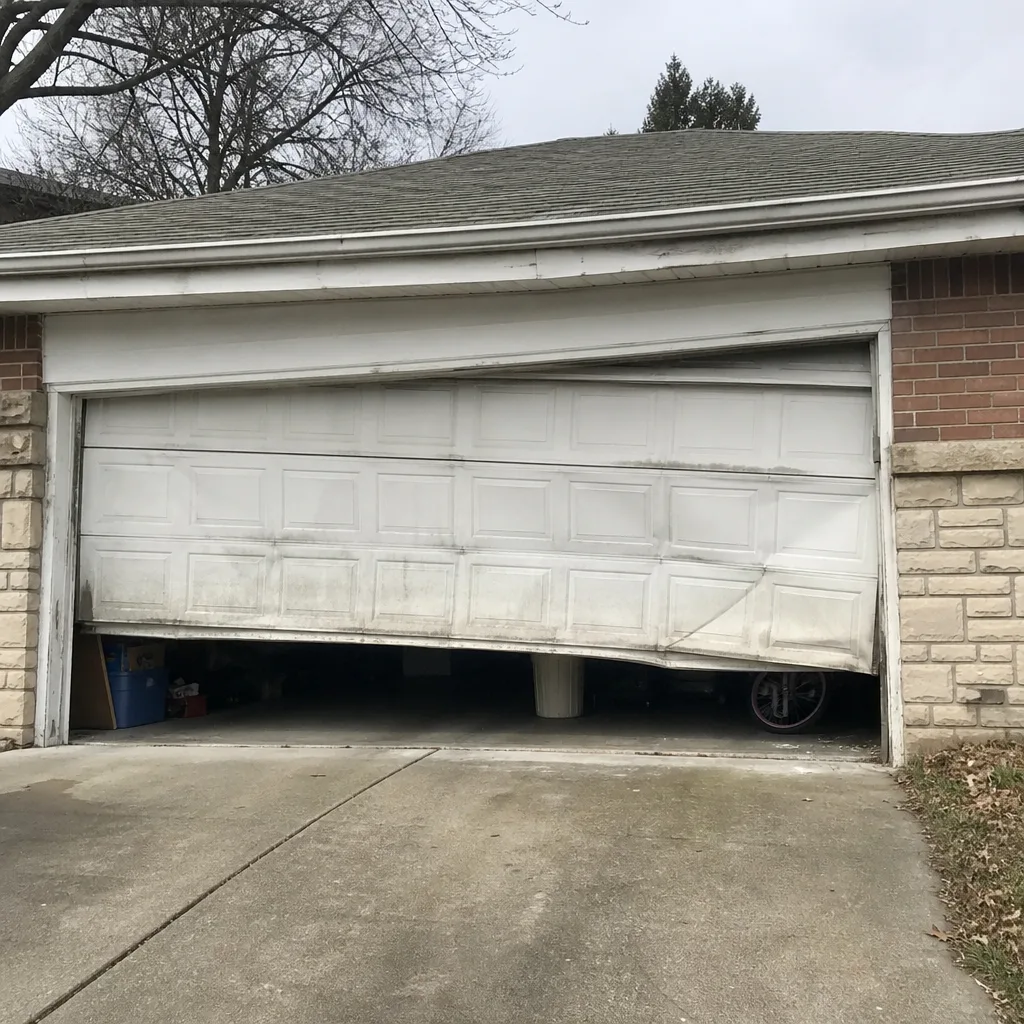 Before
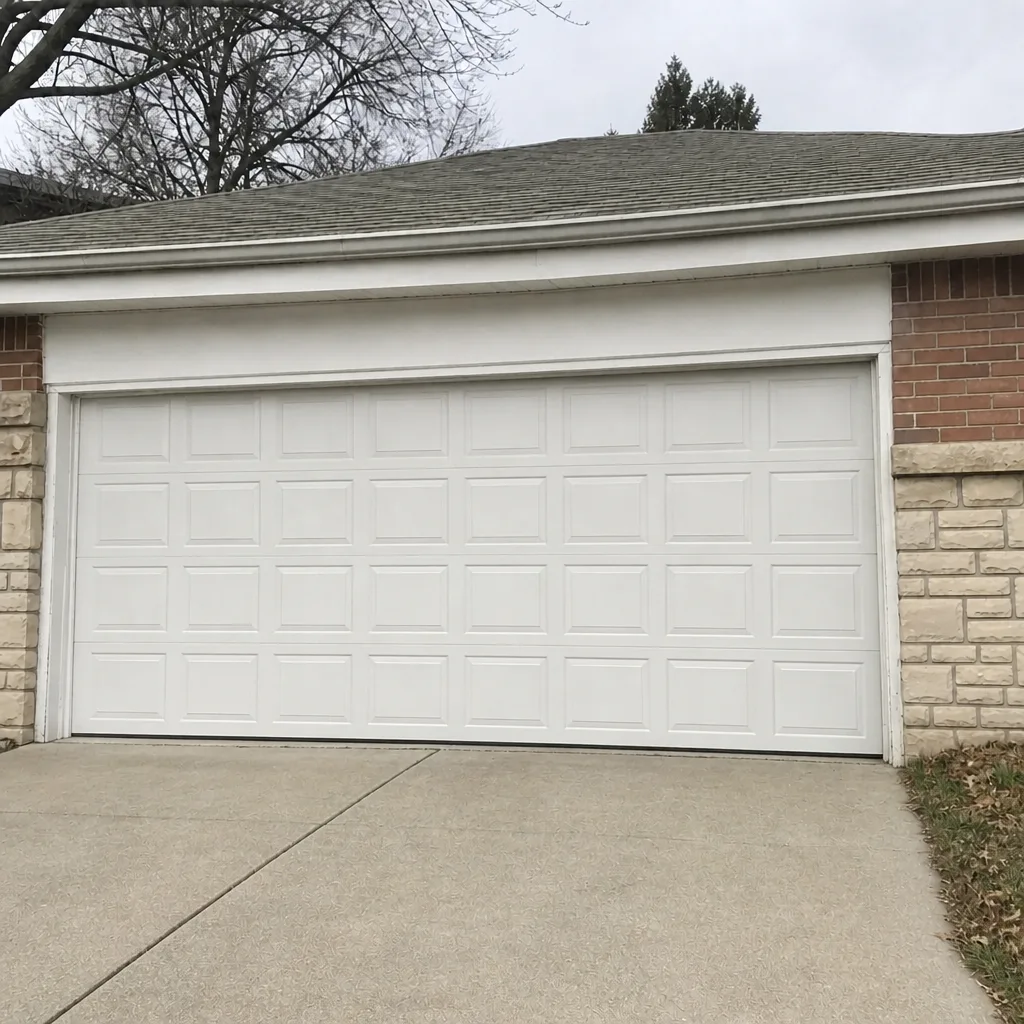 After
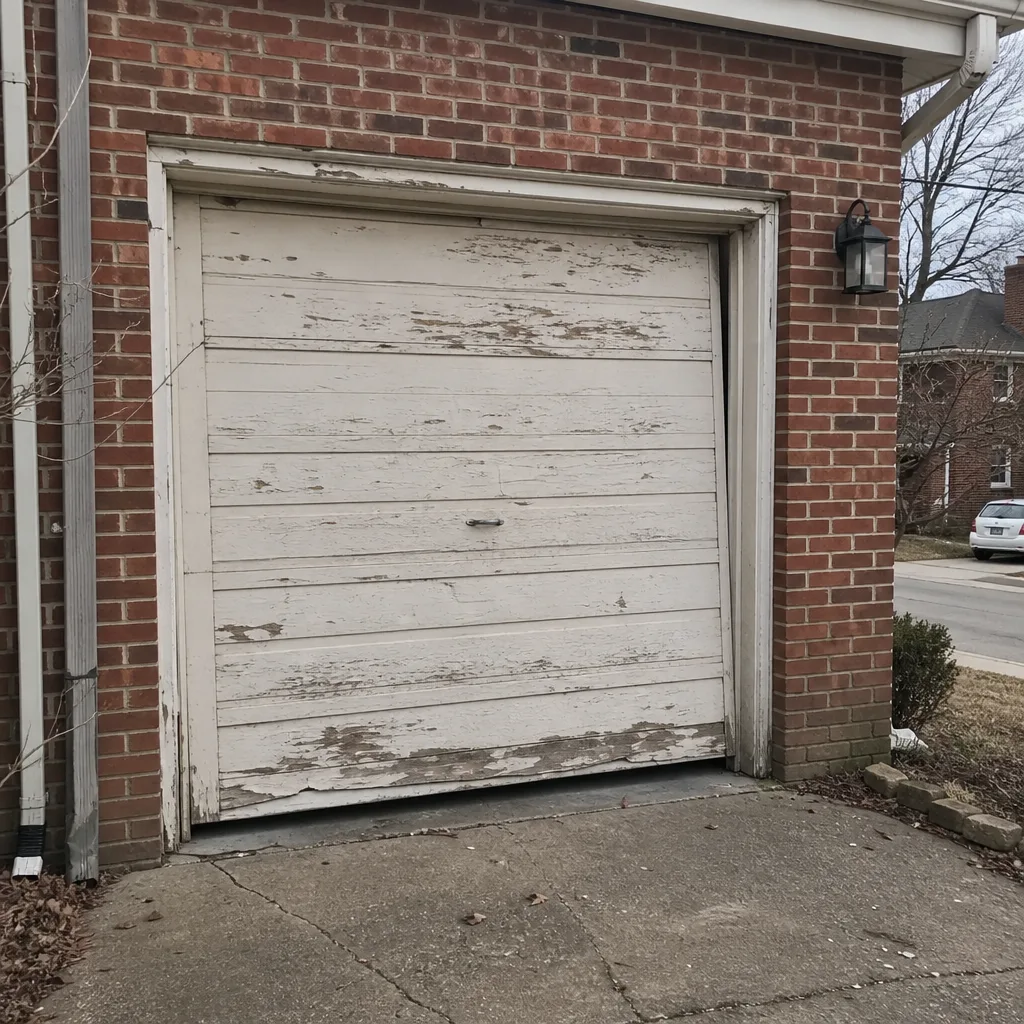 Before
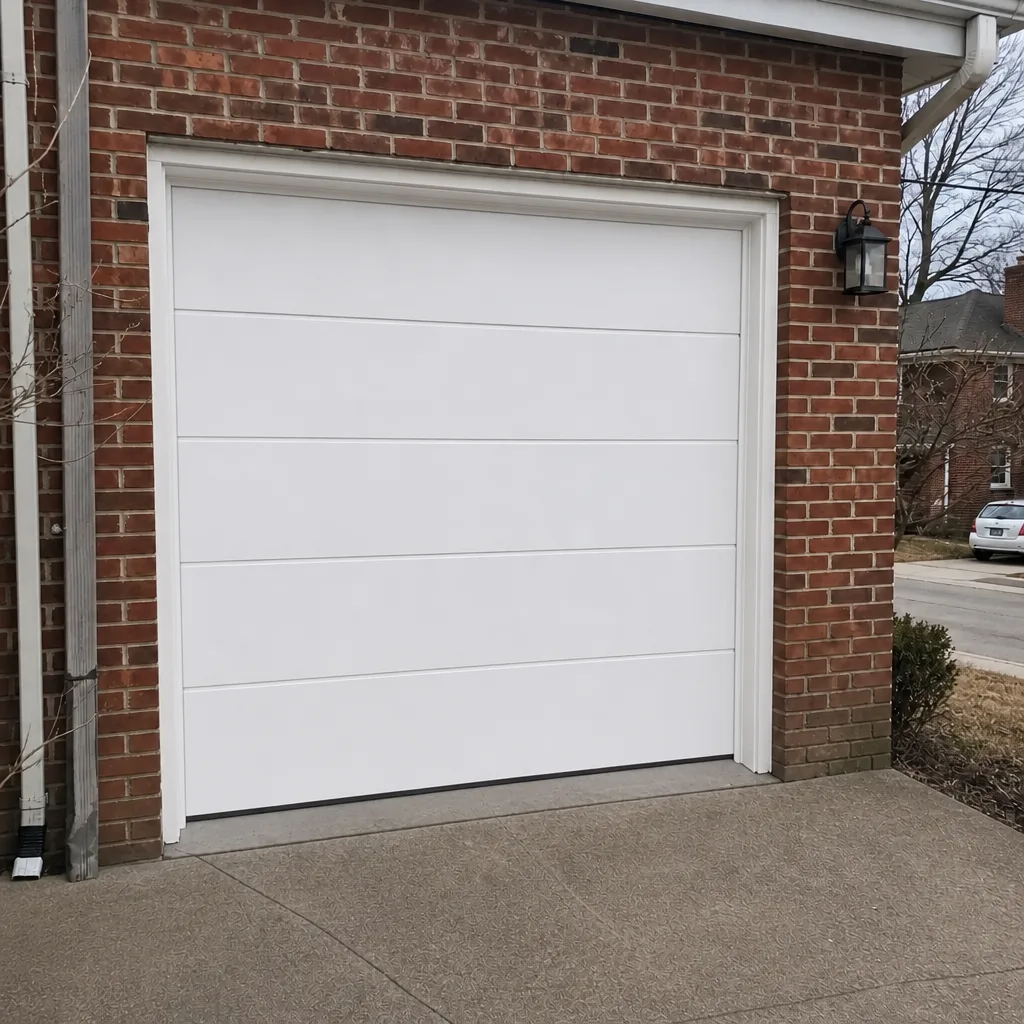 After
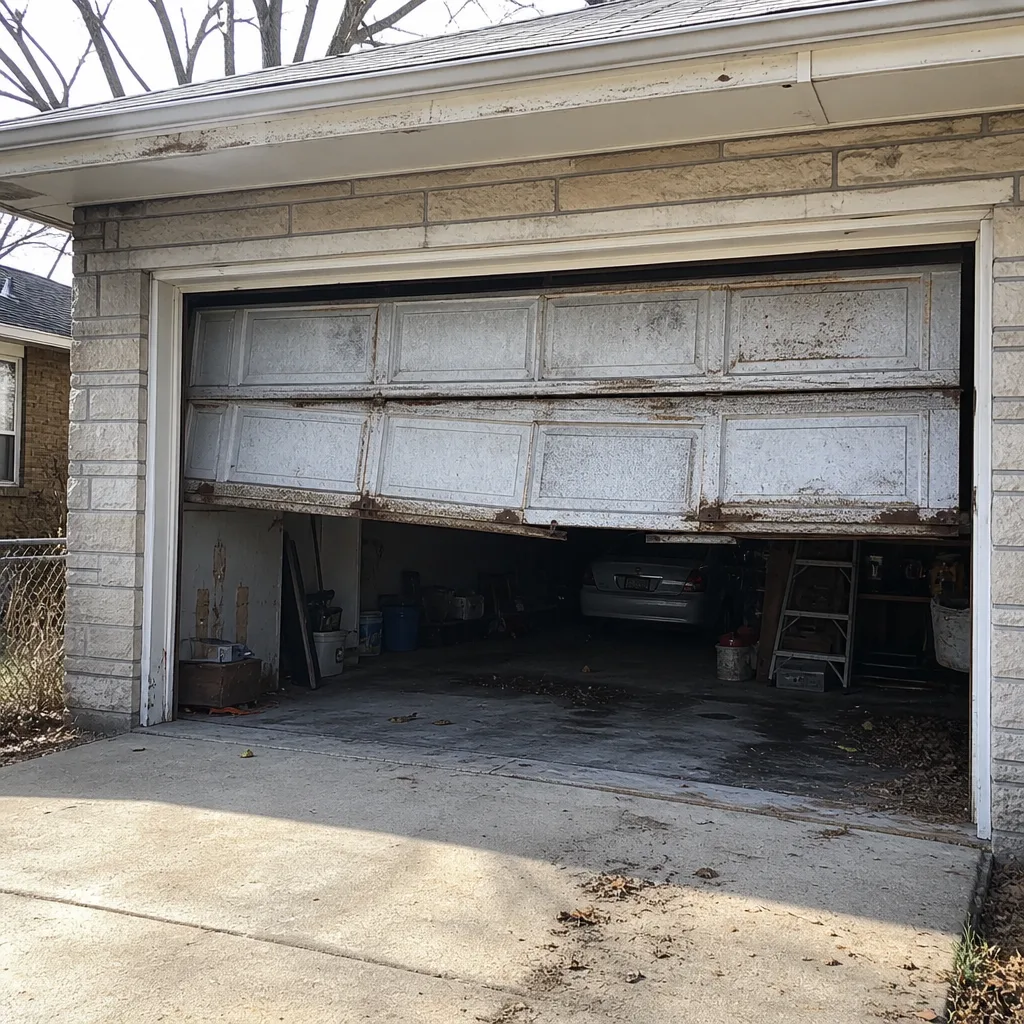 Before
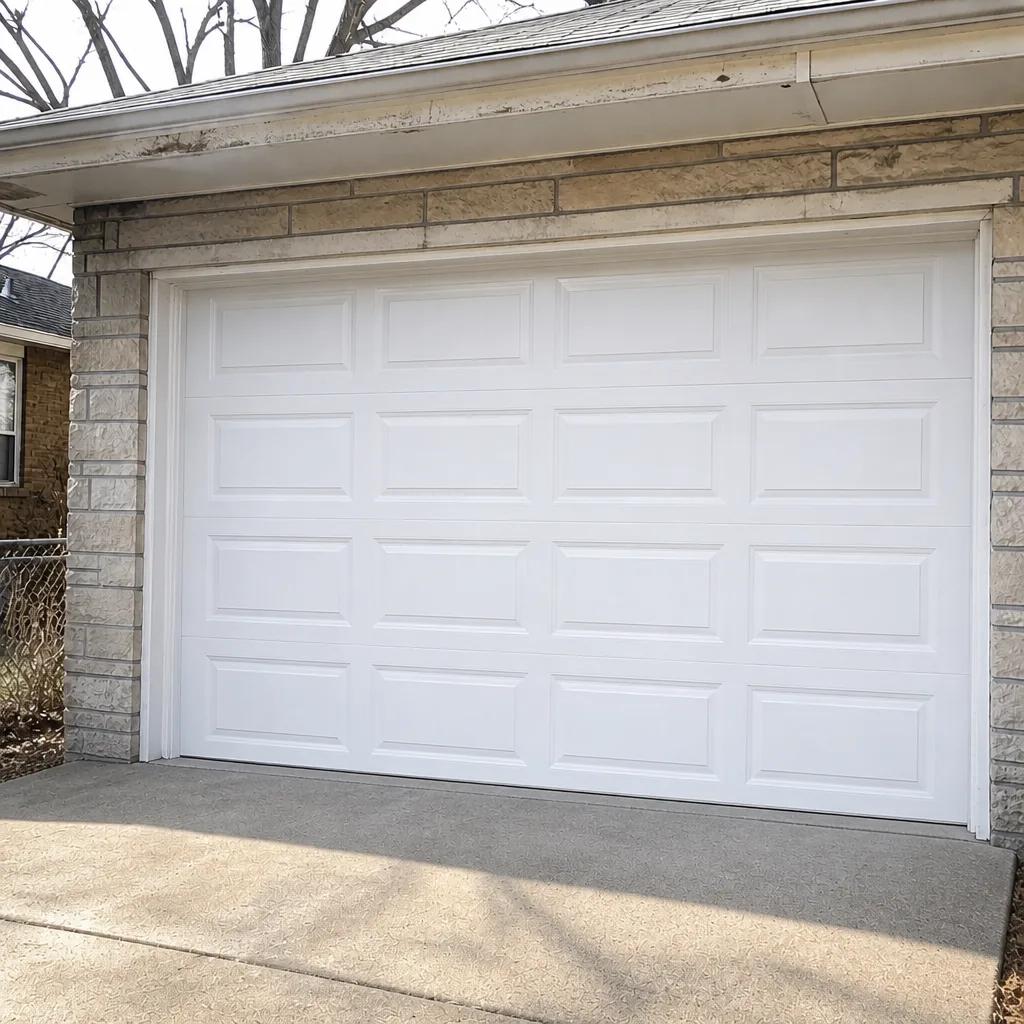 After
Frequently Asked Questions
A broken torsion spring shows a visible gap of two to four inches in the coil above the door, and the door will feel extremely heavy if you lift it by hand after releasing the opener. Many people also hear a loud bang when the spring snaps. If you confirm a gap or the door won’t hold its position at halfway, stop using the door and call (833) 991-7150 – spring repair is not a DIY job. Estimates are free.
The safety sensors are misaligned, dirty, or blocked almost every time. Run the 60-second sensor test: check both LED lights, wipe the lenses, and make sure the two sensors point directly at each other. If they won’t go solid after cleaning and aligning, the sensor or its wiring needs a technician. Call (833) 991-7150 for an exact diagnosis and free estimate.
It’s a spring or balance problem far more often than a motor problem. Release the opener and lift the door by hand to about waist height – if it feels heavy or won’t stay in place, the springs need attention. If it lifts and holds easily but the opener still moves it slowly, the fault is in the opener. Call (833) 991-7150 and we’ll check both systems together.
Sensor alignment, lens cleaning, remote batteries, and clearing debris from the track are safe DIY checks. Springs, cables, and anything inside the opener housing are not. Those components are under high tension, and a mistake can cause serious injury or void your opener warranty. Call (833) 991-7150 for the jobs that need a trained professional.
It can, yes. Internal work on the motor or logic board is where most warranty terms draw the line, and that’s especially relevant on the LiftMaster and Chamberlain openers common in St. Louis Hills. If your unit is still under warranty, mention it when you call and we’ll tell you whether professional repair protects your coverage. Call (833) 991-7150 for a free estimate.
We work on LiftMaster, Chamberlain, Genie, Clopay, Amarr, Wayne Dalton, Craftsman, and Raynor doors and openers, which covers the vast majority of systems in St. Louis Hills garages. Because we stock parts directly, a repair usually doesn’t stall waiting on an order. Call (833) 991-7150 to tell us what you have.
The written estimate is the price. We quote and agree on the cost before any work starts, so a symptom that turns out to be a sensor issue instead of an opener fault doesn’t come with a surprise invoice. Call (833) 991-7150 for a free estimate on your door.
The Bottom Line
Every garage door problem you’re likely to face in St. Louis Hills comes down to five systems: springs, opener, sensors, tracks and rollers, or cables. Match the symptom to the component and you already know whether it’s a two-minute sensor check or a technician call. The line is clear – sensors and tracks are safe to check, springs and cables never are. A slow door is a tension warning, a reversal is almost always sensors, and a hum with no movement points to the opener. Diagnose first, then call (833) 991-7150 for a free estimate.
Written by the team at Garage Door Repair St. Louis Hills.