Last updated November 21, 2026
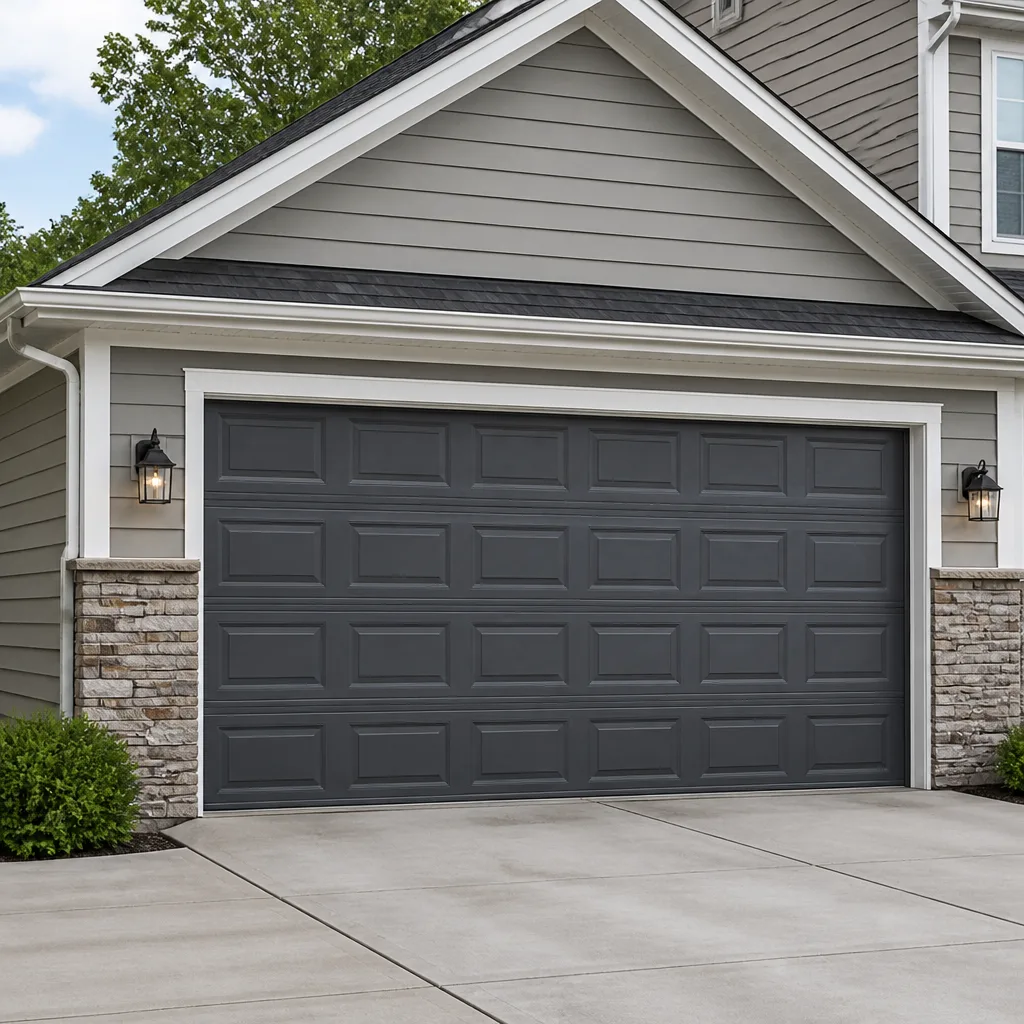 Raised-panel steel
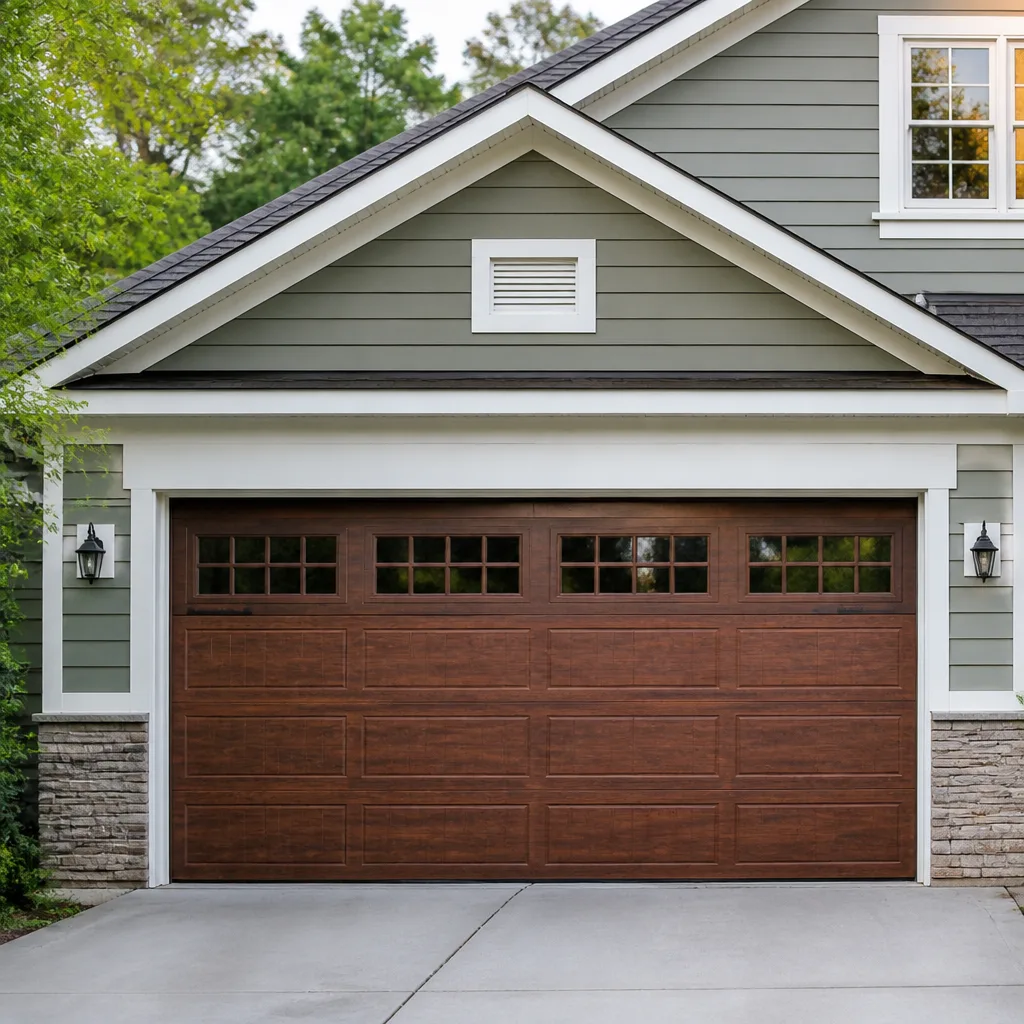
 Carriage house
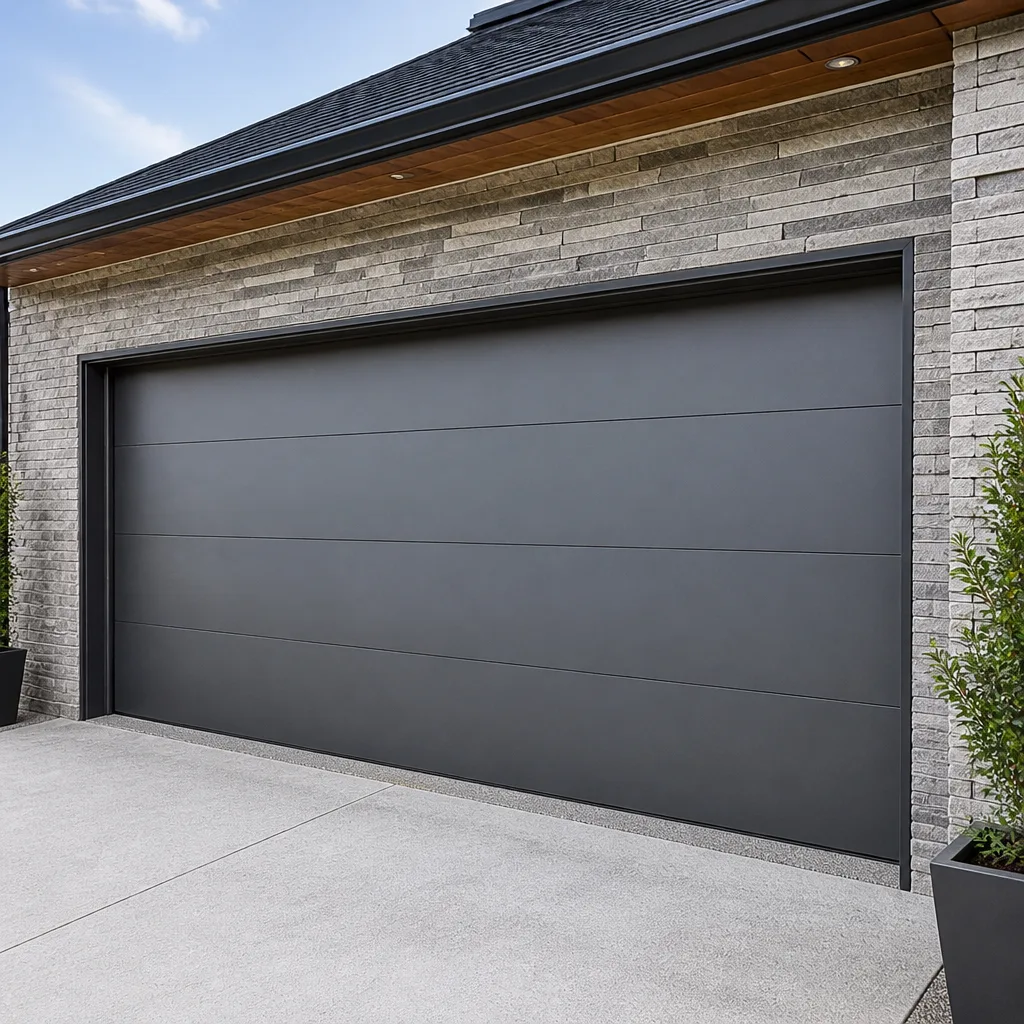 Modern flush
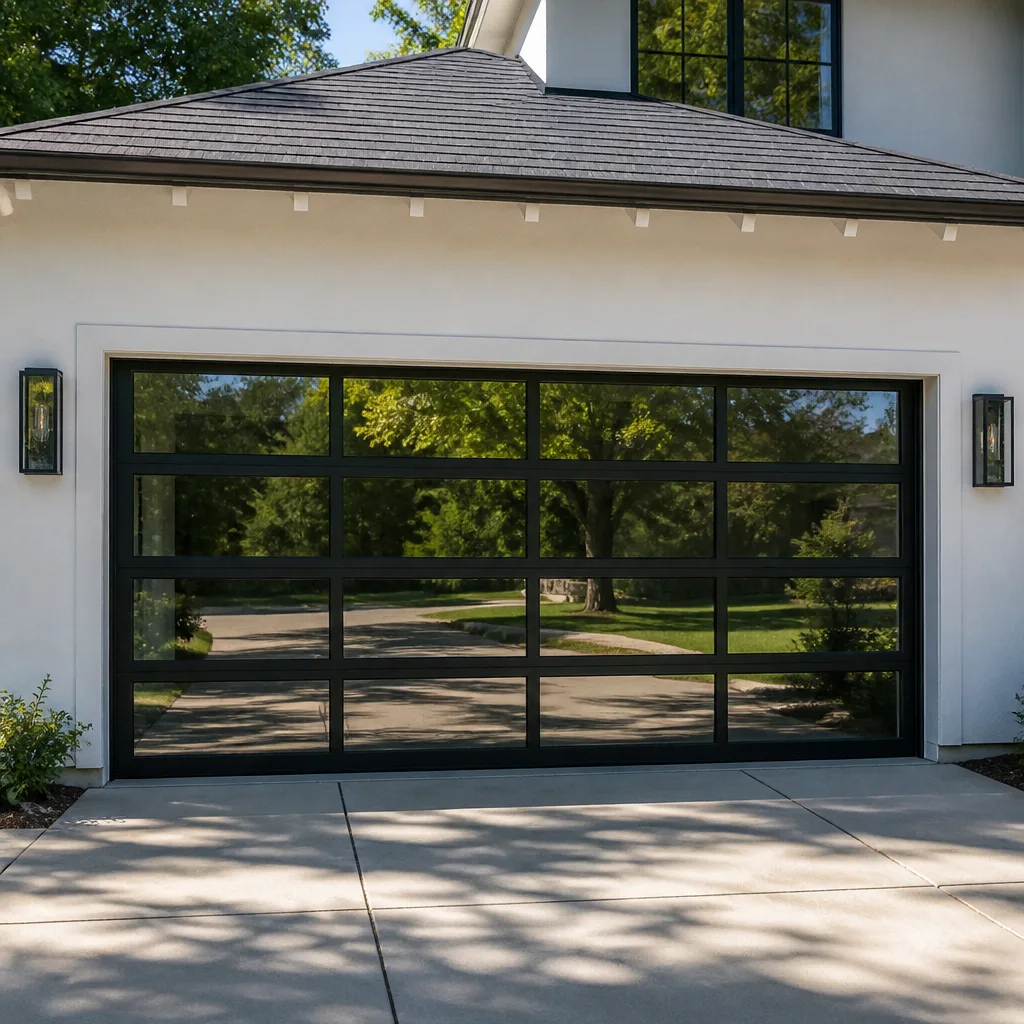 Full-view glass
 LiftMaster openers
 Chamberlain openers
Full 25-point door and opener safety check with every visit - springs, cables, rollers, tracks, and your LiftMaster or Chamberlain opener included
You get a price before we start. It does not change when the pro arrives.
Get your free estimateSeasonal Garage Door Care for St. Louis Hills: Year-Round Homeowner’s Guide
Most homeowners treat garage door maintenance as a single spring task: spray a little grease, listen for weird noises, and hope nothing snaps. In St. Louis Hills, that approach misses the real pattern. This is a climate band that punishes garage doors from two directions at once. Summer humidity swells wood panels and turns grease thin and runny. Then a January cold snap freezes metal tolerances tight and hardens every rubber seal on the door. The tasks that keep a door working here aren’t the same ones a generic four-season checklist gives you, because the timing matters as much as the task. This guide maps specific maintenance jobs to specific months based on what Missouri weather actually does to door hardware, so you’re checking the right part at the right time instead of reacting after something fails.
Quick Answer
Seasonal garage door care in St. Louis Hills follows the local weather, not a generic quarterly template. In fall, focus on bottom seal integrity, cold-weather lubricant viscosity, and cable tension before the first hard freeze. In winter, watch how your opener behaves in sub-20°F cold. In spring, inspect door alignment after freeze-thaw moves your concrete floor. In summer, expect torsion spring tension to relax enough that a door working fine in April starts straining in July.
Styles & brands we work with
- Raised-panel steel
- Carriage house
- Modern flush
- Full-view glass
- LiftMaster openers
- Chamberlain openers
Table of Contents
- Fall Prep: Seals, Lubricant Viscosity, and Cable Tension Before the First Freeze
- Winter Troubleshooting: Why Openers Struggle Below 20°F
- Spring Inspection: What Freeze-Thaw Does to Door Alignment
- Summer Heat and Torsion Spring Tension
- The Month-by-Month Task Calendar for St. Louis Hills
- Why Brand Familiarity Changes the Repair
- Common Mistakes to Avoid
- When to Call a Professional
Fall Prep: Seals, Lubricant Viscosity, and Cable Tension Before the First Freeze
October is the single most valuable maintenance month in St. Louis Hills. The worst time to find out your bottom seal has hardened and cracked is during a January ice storm, when water is already sheeting under the door and freezing into a sheet on your garage floor. Catching it in fall, while the weather is still workable, costs you a fraction of the hassle.
You can’t fully prevent a bottom seal from hardening. Rubber ages and cold accelerates the process. What you can do is check it before the cold arrives, when the replacement is a planned task instead of an emergency repair on a day the door won’t close. Run your hand along the bottom seal and look for cracks, flat spots, or gaps where the seal no longer touches the floor. If the seal feels stiff or leaves daylight under the door when closed, it’s done. A seal that still flexes and seals is fine.
Lubricant matters as much as the seal. A grease that flows beautifully at 80°F can thicken into something closer to paste at 15°F, and when it does, the rollers drag, the hinges stiffen, and the opener has to work harder to move the door. A garage door lubricant rated for cold temperatures holds its viscosity across the range St. Louis Hills sees. Applying the right lubricant in October means you’re not fighting a thickened mess in February.
Cable tension is the third fall priority, and it’s the one you shouldn’t touch yourself. Cables under tension are dangerous. What you can do is look and listen. A cable that’s frayed, kinked, or resting slack on the drum is a signal to stop operating the door and get it looked at. Fresh, even tension on both sides is what you want to see. If one side looks tighter than the other, that’s your cue. Never adjust cables yourself; call a trained professional.
Two more fall items worth a few minutes each:
- Clear the tracks of leaves and grit. St. Louis Hills has plenty of mature trees, and debris in the track causes drag.
- Test the safety reverse. Place a small object on the floor and confirm the door reverses on contact. This is a 30-second check that protects the people in your home.
Winter Troubleshooting: Why Openers Struggle Below 20°F
If your opener grinds, hesitates, or reverses for no obvious reason once temperatures dip below 20°F, the opener is usually telling you the door got heavier, not that it failed. Cold thickens lubricant, stiffens seals, and shrinks the clearances on metal parts. All of that adds resistance the opener has to overcome, and the opener responds by straining, stalling, or giving up on the first cycle.
The instinct is to crank up the opener’s force sensitivity. Don’t. Force settings control how hard the opener pushes before it decides the door is blocked. Raising the force to force a stiff door through the cold masks the real problem, and it also defeats the safety reversal that protects anything under the door. A door that needs extra force to close in January is a door with a mechanical problem, not an opener problem.
What’s actually happening when a door works in November but fails in January:
- Lubricant thickens. Grease that flowed at 40°F stiffens at 15°F, adding drag to rollers and hinges.
- Seals stiffen. The bottom seal hardens and grips the floor harder than it did in fall.
- Metal contracts. Tracks and hardware change tolerance in the cold, sometimes enough to bind.
- Spring tension is already near its limit. A spring near the end of its life has nothing left to give when resistance climbs.
If your door has an opener that struggles in the cold, the correct diagnosis is to look at the door’s balance and moving parts first, not the opener’s force setting. A well-balanced door should open and close with light hand pressure. Winter makes that test harder to judge with the door in place, so it’s a good moment to have a technician check the balance, the spring tension, and the lubricant. If the door has a Wayne Dalton or Craftsman opener, we know those drive systems well enough to tell you immediately whether the opener is the problem or the door is. For anything opener-related, you can read more about garage door opener repair and what a proper diagnosis involves.
Spring Inspection: What Freeze-Thaw Does to Door Alignment
Spring in St. Louis Hills isn’t a gentle thaw. It’s a cycle: warm day, cold night, warm day, cold night. That freeze-thaw cycle moves concrete. A garage floor that sat flat all winter can heave slightly as groundwater refreezes and expands, and when it settles, the door’s framing and the concrete it sits on no longer line up exactly as they did in January.
Most of that movement is small. But small shifts show up as specific problems in March and April:
- The door closes but doesn’t seal flush along the bottom on one side.
- The door binds or rubs in one spot as it travels up or down.
- The door looks slightly crooked at the top or bottom when you stand back and look at it.
- The tracks look like they’re no longer plumb.
Stand outside and look at the door from a distance. Check the gap under the door along its full width. Then run the door and watch the panels. A well-aligned door moves smoothly in a straight line. A door that’s out of alignment shows a slight wobble, a bind, or a gap that opens and closes as it travels. Catching misalignment now is cheap; catching it after a panel has been stressed or a track has been pushed out of line is not.
Spring is also the right time to look closely at the torsion spring itself. Cold-months strain and the freeze-thaw cycle both take a toll, and a spring that survived winter is worth a visual inspection. Look for a visible gap in the coil. A torsion spring is the single most dangerous component in your garage door system: it’s under high tension and can cause serious injury if it releases. Don’t try to adjust or replace it yourself. If you see a gap in the coil or hear the door make a loud snap, stop using the door and call for Garage Door Repair St. Louis Hills to diagnose it safely.
Summer Heat and Torsion Spring Tension
Here’s the pattern that catches people off guard: the door that worked perfectly in April starts to struggle in July, and the heat is usually the reason. Heat affects the torsion spring’s temper and tension. As the metal expands and relaxes slightly across a hot summer, the spring loses a small amount of the tension it had in cooler weather. Individually small, those changes add up, and suddenly the door feels heavy or starts drifting down when it should be balanced.
The symptoms are easy to miss because they come on gradually:
- The door feels heavier at the start of its travel than it did a few months ago.
- The opener sounds like it’s working harder.
- The door doesn’t stay open at the same height it used to.
- You notice the opener motor straining on humid days.
Humidity matters too, especially on wood-panel doors, where panels swell and add weight. A wood door that swells in summer puts more load on the spring and the opener at exactly the moment the spring is weakest. If your door has wood panels and starts grinding in August, that combination of swollen panels and relaxed spring is a strong suspect. Amarr and Clopay both make doors with steel and wood options, and we know how each type behaves in a St. Louis Hills summer. This is also the season to confirm the opener isn’t being asked to compensate for a spring problem. An opener working overtime against a weak spring ages faster; keeping the two systems in balance is what preserves both.
Summer is also a good window to do a full balance check. With the opener disengaged, lift the door halfway and let go. A balanced door holds its position. A door that drifts down or up needs attention, and that’s a job best handed to a technician before the drift becomes an opener failure.
The Month-by-Month Task Calendar for St. Louis Hills
This is the guide’s core: a task calendar built for Missouri weather rather than a generic quarterly template. The idea is to do the right task in the right month, so you’re never caught doing seal maintenance in a heat wave or checking creaky hinges in a deep freeze.
January and February: Cold Snap Vigilance
Watch how the door and opener behave in the coldest weeks. If the opener struggles below 20°F, note it and have it checked. Keep the tracks clear. Don’t force a stiff door, and don’t raise the opener’s force setting. This is a watch-and-report month, not a maintenance month.
March and April: Post-Thaw Inspection
Check alignment, look for a gap under the door, listen for new noises, and run the door by hand to feel for weight. Inspect the torsion spring for a visible gap. This is the best month for anything that needs adjusting.
May and June: Lubrication and Balance Check
Reapply lubricant to hinges and rollers. Check door balance with the opener disengaged. Look at the weatherstripping between panels. Clear debris from the tracks.
July and August: Heat Symptoms and Summer Tension
If the door feels heavier or the opener sounds like it’s straining, that’s the heat and the spring talking. Watch wood panel swelling. Have the spring tension checked if the door starts binding.
September and October: The Big Fall Prep
This is the most important maintenance month of the year in St. Louis Hills. Inspect the bottom seal end to end. Apply cold-rated lubricant. Check cable tension by eye and stop if anything looks wrong. Test the safety reverse.
November and December: Final Check Before Winter
Re-run the safety reverse test. Clear the tracks one last time. Confirm the door seals fully at the bottom. If anything felt off in fall, fix it now before the cold locks down your options.
Why Brand Familiarity Changes the Repair
A seasonal maintenance guide is only as good as the repair that follows, and the repair depends on knowing the specific hardware on your door. We work on the brands homeowners actually have: LiftMaster, Chamberlain, Genie, Clopay, Amarr, Wayne Dalton, Craftsman, and Raynor. That covers the vast majority of doors and openers in residential St. Louis Hills, so a diagnostic visit doesn’t waste time figuring out what brand you have before it can start solving the problem.
Brand knowledge doesn’t mean the maintenance tasks in this guide change. A Raynor door in summer and a Clopay door in summer both feel the heat, and the spring physics are the same. What changes is the repair itself. Different opener drive systems fail in different ways, and different door constructions have different maintenance intervals for panel and hinge hardware. A Wayne Dalton door with a wood-panel option has different swelling concerns in summer than a steel Clopay. Knowing that keeps the diagnosis precise instead of generic.
We also stock and supply garage door parts directly. That means a repair doesn’t stall because a seal, a cable, or a spring is sitting on a third-party order. Parts availability is the quiet factor that decides whether a repair is done in one trip or stretched across a week, and having the parts on hand is what makes the “the right part, the right fix” idea real rather than a slogan. If the repair turns out to be a full replacement instead of a fix, that’s covered too. A new door is a measured, ordered, and scheduled job on its own timeline, and you can read about the process on the garage door installation page.
Common Mistakes to Avoid
- Raising the opener’s force setting to beat the cold. It masks the door’s real problem and defeats the safety reversal. If the door needs extra force to close in January, the door is the issue, not the opener.
- Waiting until the middle of an ice storm to notice the bottom seal. By then water is already sheeting under the door and freezing on the floor. Inspect the seal in October, when the fix is a planned task.
- Lubricating in spring and calling it done for the year. Summer heat and fall cold change the demands on lubricant. St. Louis Hills homeowners get more from two lubricant passes a year, spring and fall, than from one.
- Using too heavy a grease in fall. A grease that flows at 70°F can turn into paste at 20°F, adding drag to the exact parts you were trying to help. A cold-rated garage door lubricant holds its viscosity across the range.
- Handling torsion springs or cables yourself. These are the most dangerous parts of the system. A torsion spring under tension can release with enough force to cause serious injury. Watch for the signs and leave the work to a trained professional.
- Ignoring a door that’s out of alignment after spring thaw. Small freeze-thaw movement is easy to correct early and expensive to correct after it stresses a panel or pushes a track out of line.
- Assuming the door that worked in April will work through July untouched. Summer heat relaxes torsion spring tension and swells wood panels. Both add up quietly. A summer balance check catches the drift before the opener takes the strain.
When to Call a Professional
Some tasks in this guide are homeowner work: checking the bottom seal, clearing tracks, testing the safety reverse, watching the door’s behavior in the cold. Some are not. Call a professional when you see a visible gap in a torsion spring, hear a loud snap, or notice a cable that’s frayed, kinked, or slack. Call if the door won’t balance when you lift it by hand or starts binding or drifting in heat or cold. Call if the opener stalls, reverses for no reason, or needs force to close. And call if a freeze-thaw shift has left the door out of alignment enough to see. Garage Door Repair St. Louis Hills offers free estimates in St. Louis Hills and can diagnose the whole system, from the door panels to the opener drive, in one visit. The right part, the right fix, and no guesswork about what brand you own.
Our technicians have up to 13 years of experience, and spring repair is a dedicated service we take seriously for exactly the reason this guide keeps repeating: springs are the most dangerous component in your garage door system. If you’re not sure whether something needs attention, that’s the moment to call, not the moment to guess.
See the difference
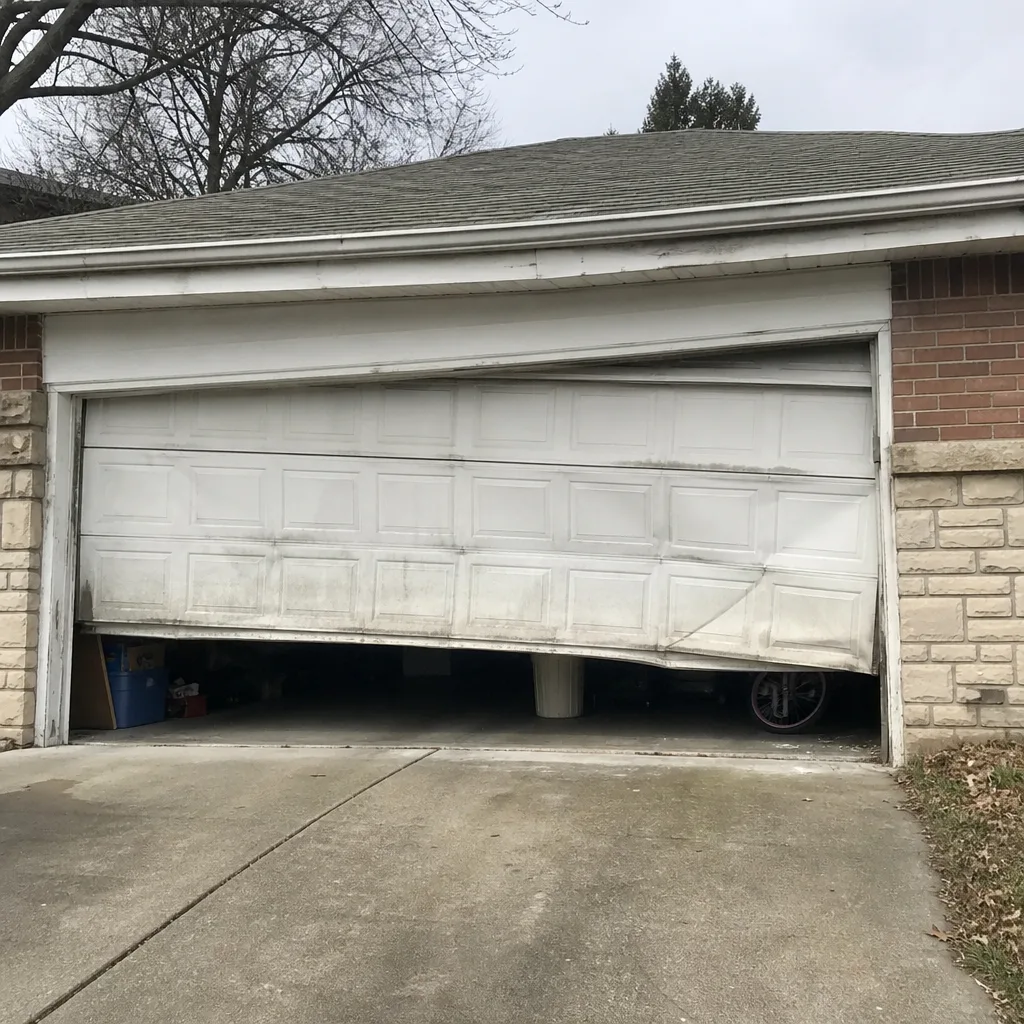 Before
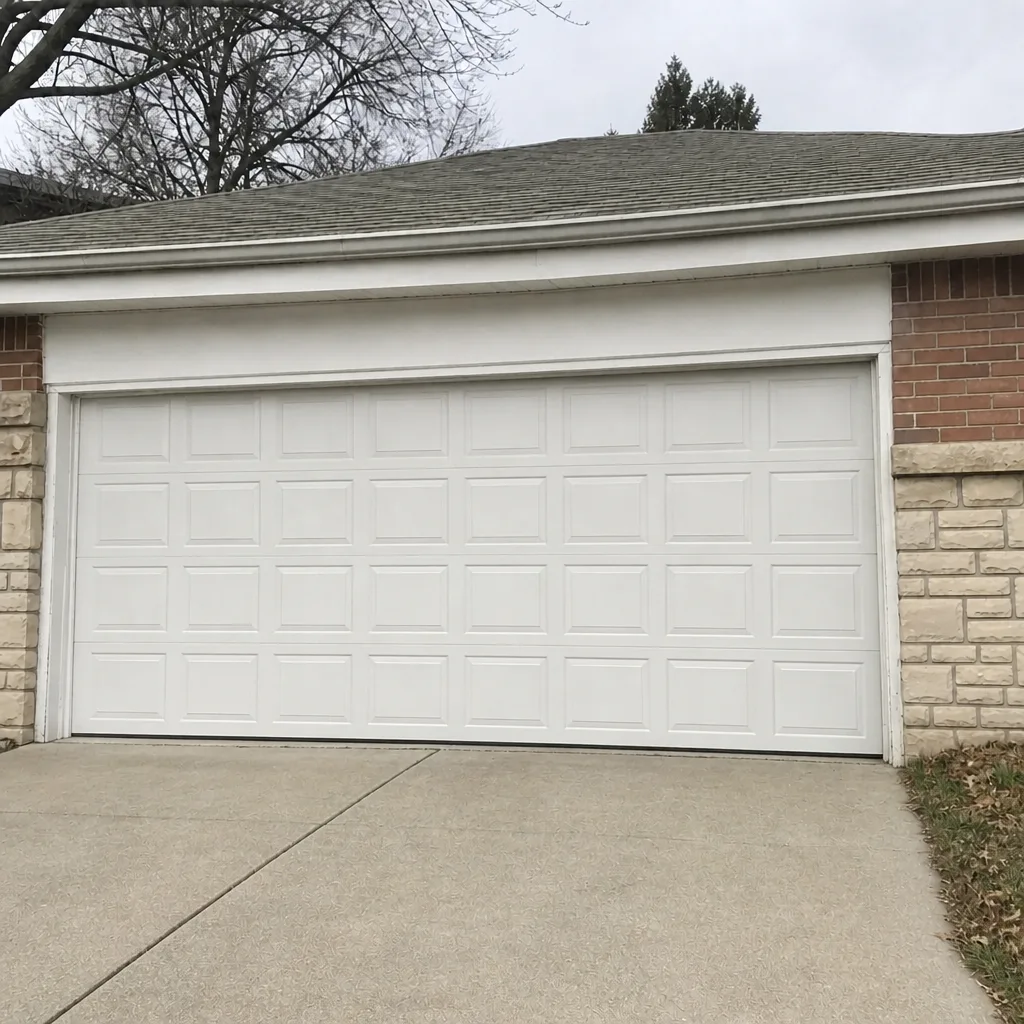 After
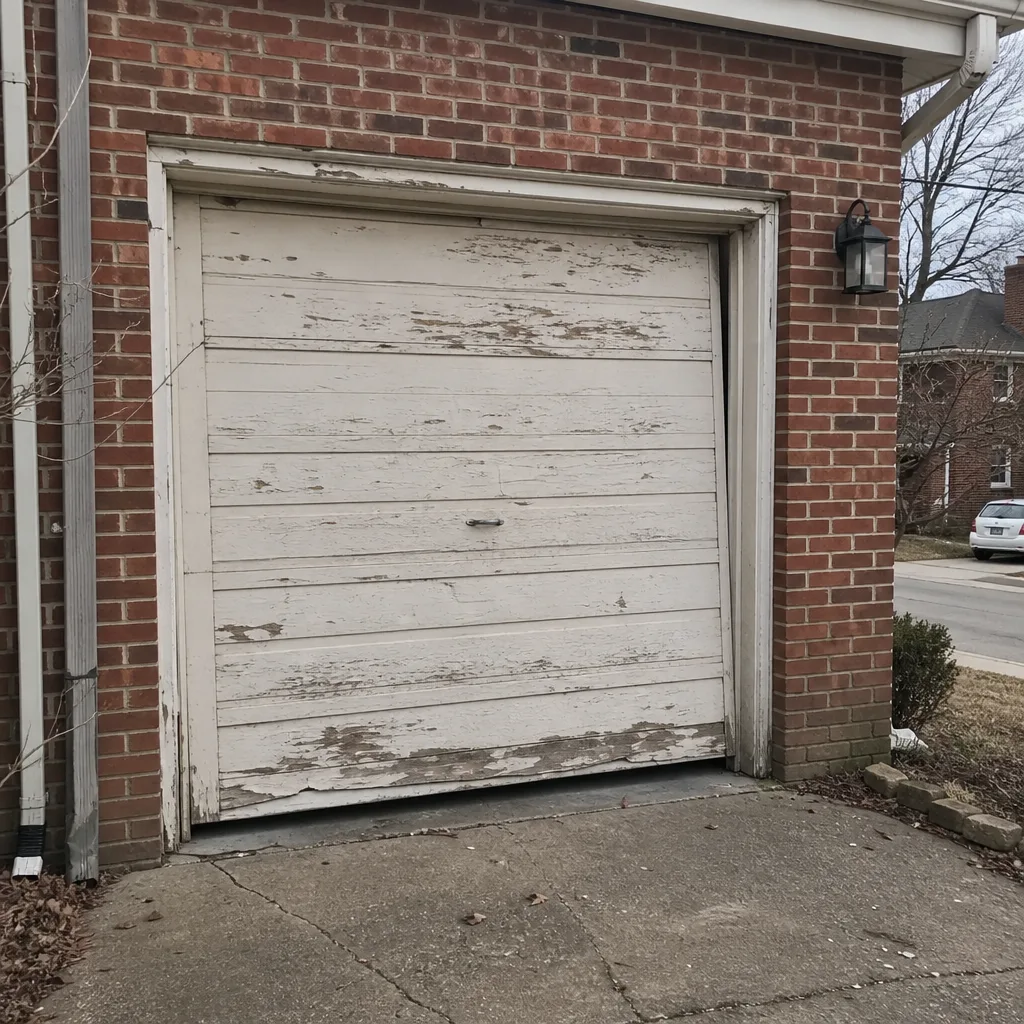 Before
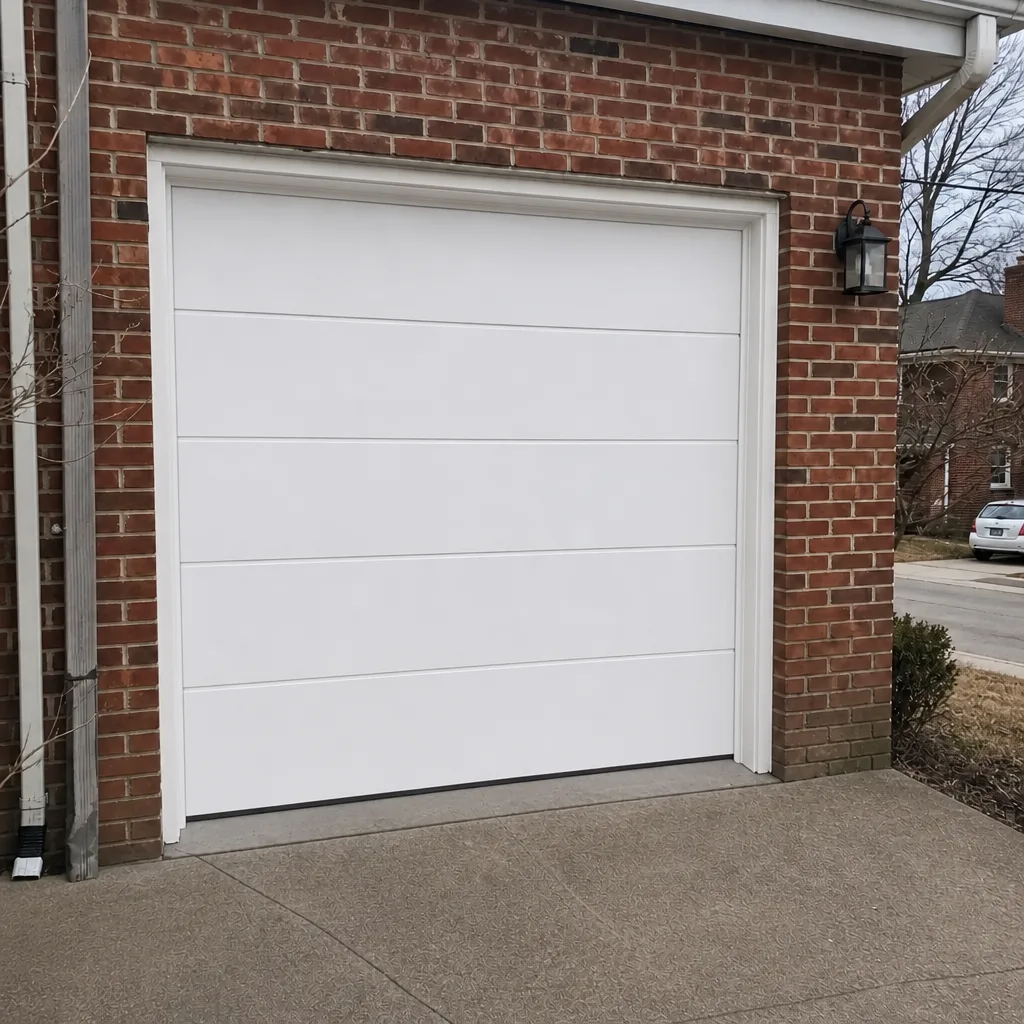 After
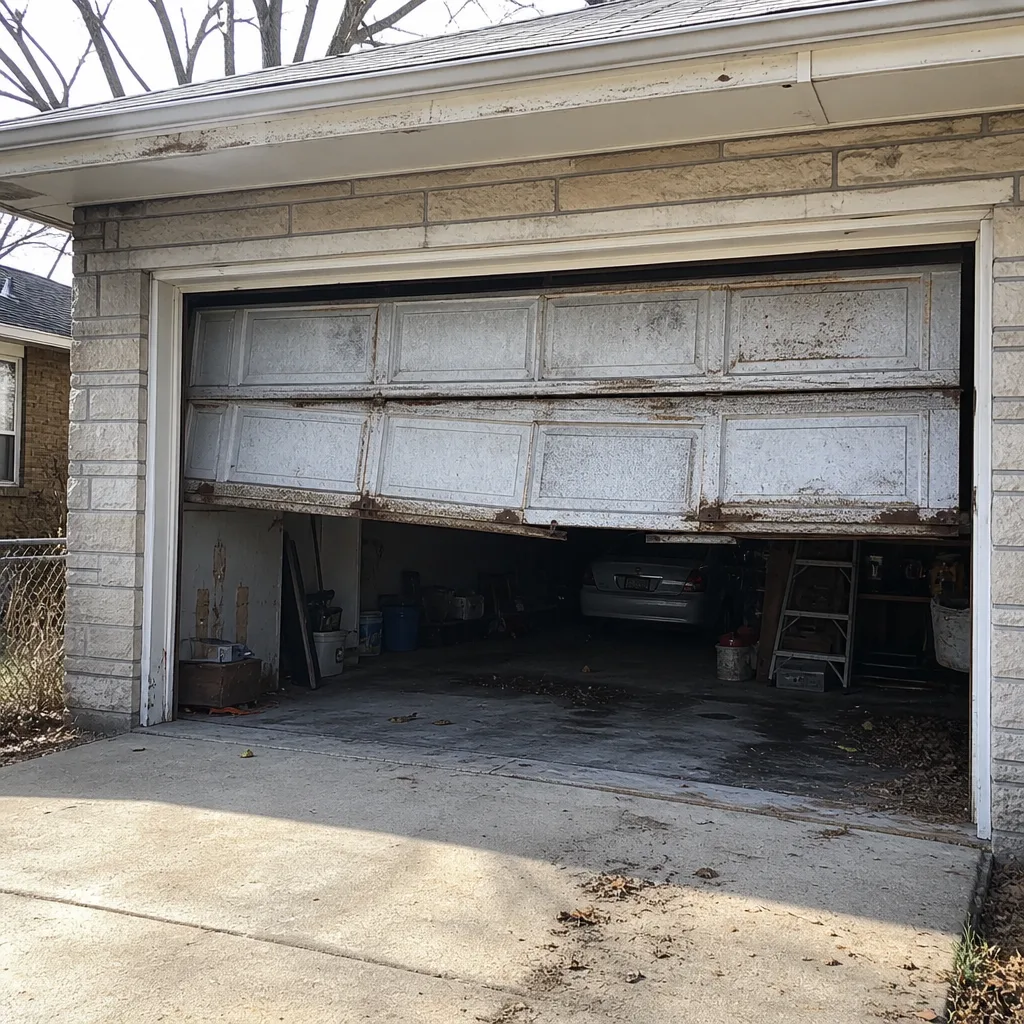 Before
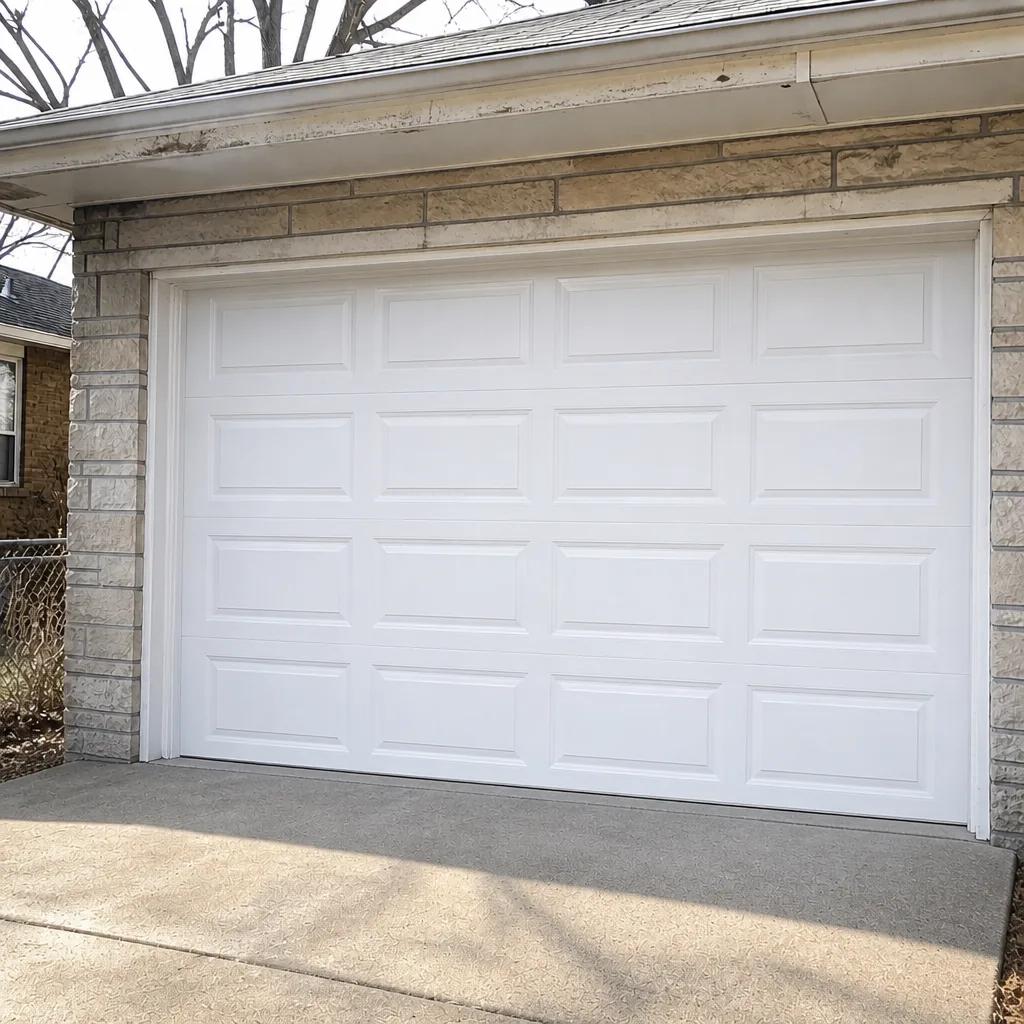 After
Frequently Asked Questions
Plan on two full maintenance passes a year, one in fall and one in spring, with quick visual checks between them. St. Louis Hills gets humidity in summer and cold snaps in winter, so fall prep and spring inspection are the two dates that matter most.
Cold thickens lubricant, stiffens the bottom seal, and shrinks clearances, all of which make the door heavier for the opener to move. The opener isn’t usually failing; the door got harder to operate. Have the door’s balance and moving parts checked rather than raising the opener’s force setting.
No. A torsion spring is under high tension and can cause serious injury if it releases, and cables are equally dangerous. If you see a gap in the coil, hear a snap, or notice a frayed or slack cable, stop using the door and call a trained professional. This isn’t a task worth the risk to save a repair bill.
Summer heat relaxes torsion spring tension, and humidity can swell wood panels and add weight. The combination makes the door feel heavier and the opener work harder. A balance check in early summer catches the drift before the opener takes the strain.
Check alignment first. Look for a gap under the door, a slight crookedness, or a bind as the door travels. Freeze-thaw moves concrete and can shift the framing. Then inspect the torsion spring for a visible gap and clear the tracks of debris.
Very likely. We work on LiftMaster, Chamberlain, Genie, Clopay, Amarr, Wayne Dalton, Craftsman, and Raynor, which covers the vast majority of residential doors and openers in St. Louis Hills. Call with your brand and we can tell you exactly what a diagnostic visit involves. For a full repair, the garage door repair page covers what’s involved, and estimates are free.
The Bottom Line
Seasonal garage door care in St. Louis Hills works best when the timing follows Missouri weather rather than a generic four-season template. The fall pass is the most important: check the bottom seal, apply cold-rated lubricant, and have cable tension looked at before the first freeze. Winter is for watching how the opener behaves in the cold, not for adjusting force settings. Spring is for catching alignment issues after freeze-thaw. Summer is for noticing the quiet drift in torsion spring tension and swollen wood panels. Keep those four rhythms and your door stays balanced, your opener isn’t overtaxed, and the repairs you do need land on your schedule instead of a January ice storm’s. When something doesn’t add up, one diagnostic visit from a technician who knows your brand is worth more than another search.
Written by the team at Garage Door Repair St. Louis Hills.