Last updated November 21, 2026
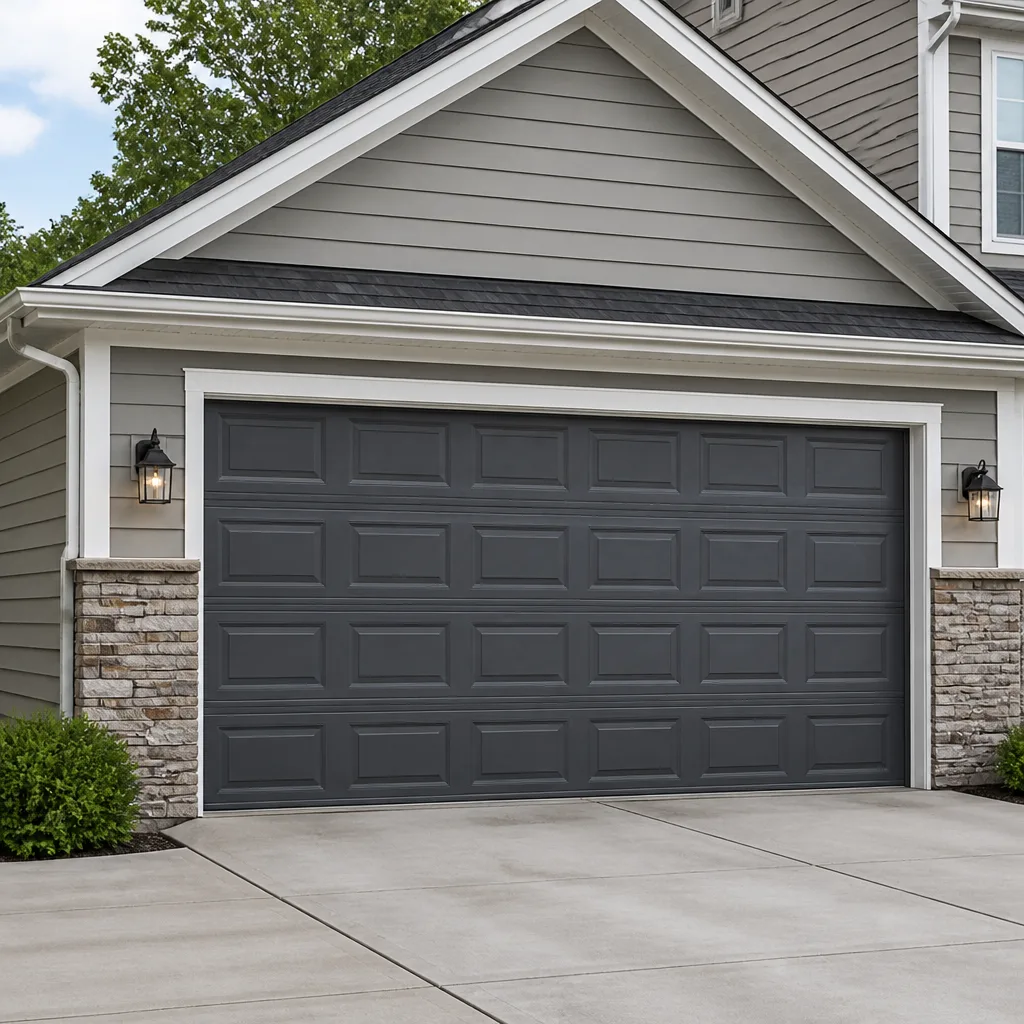 Raised-panel steel
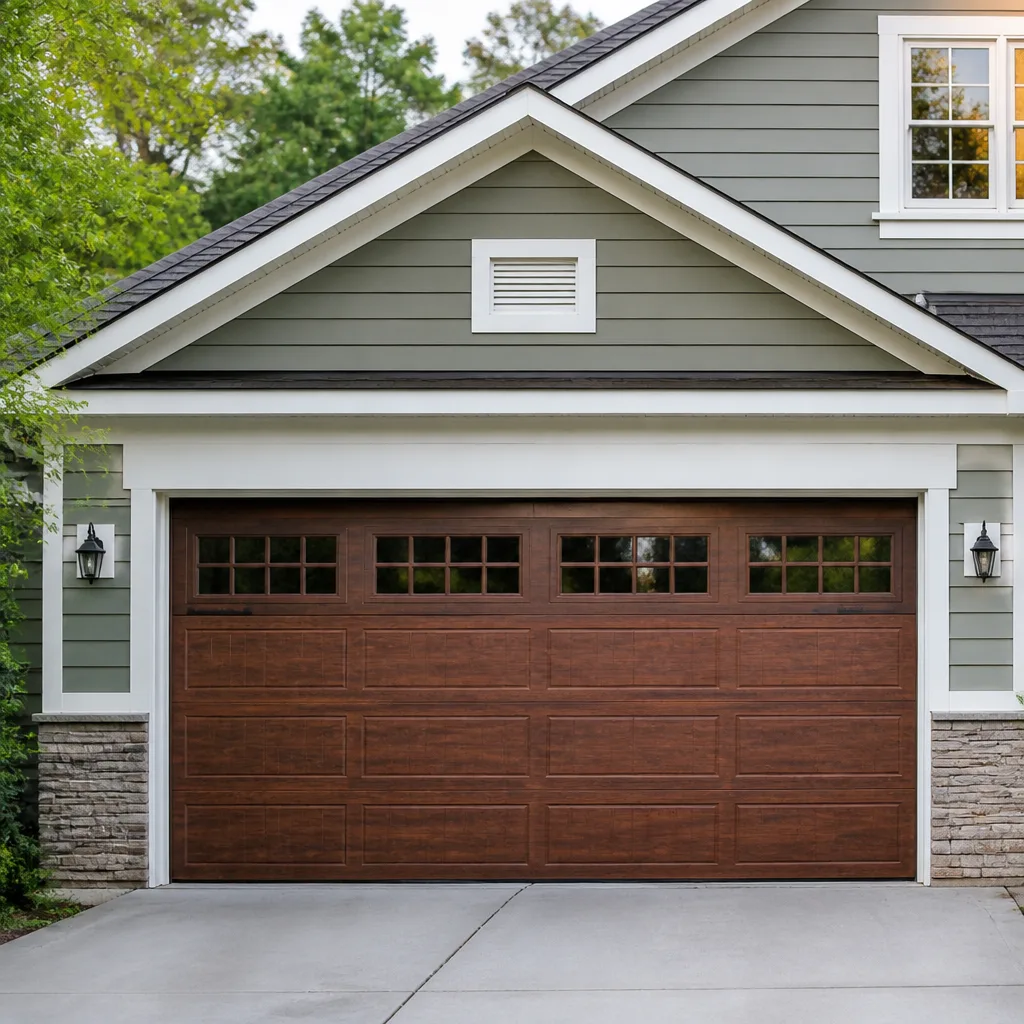
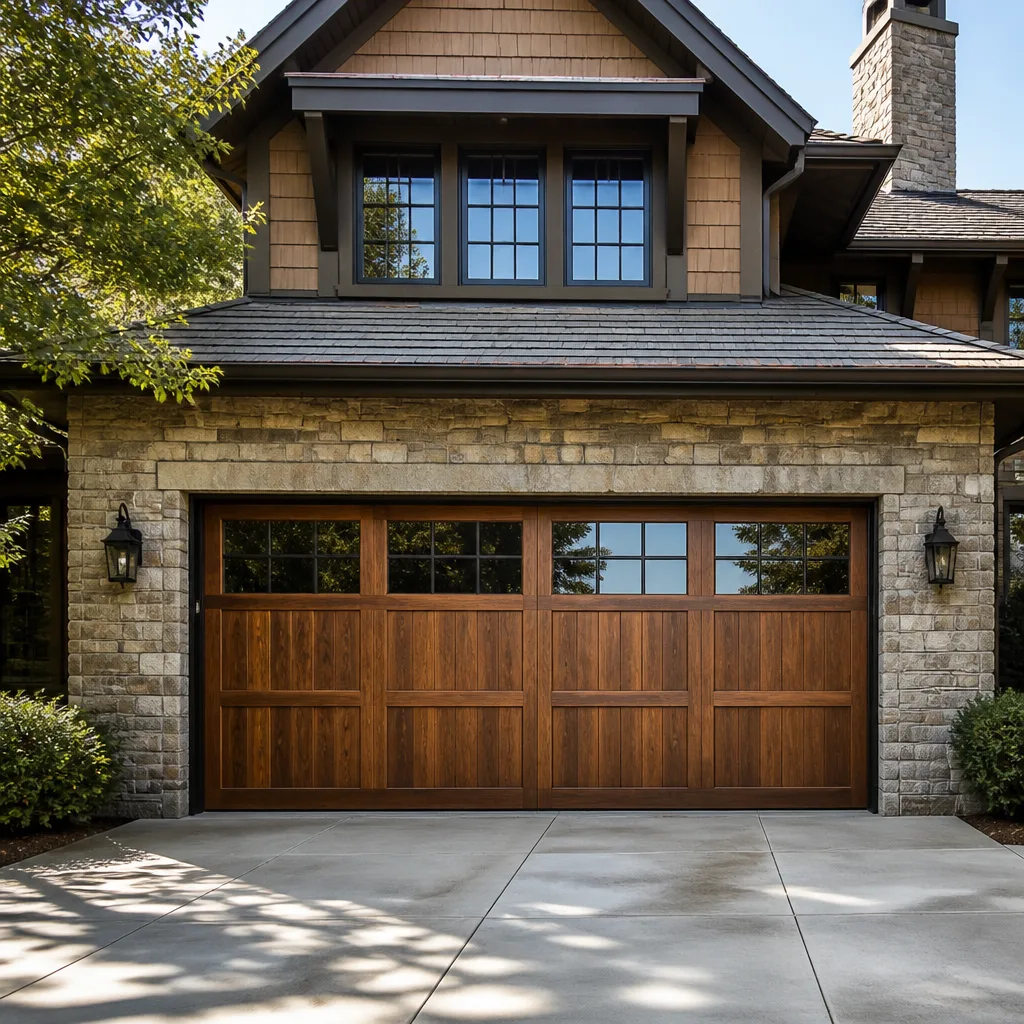 Carriage house
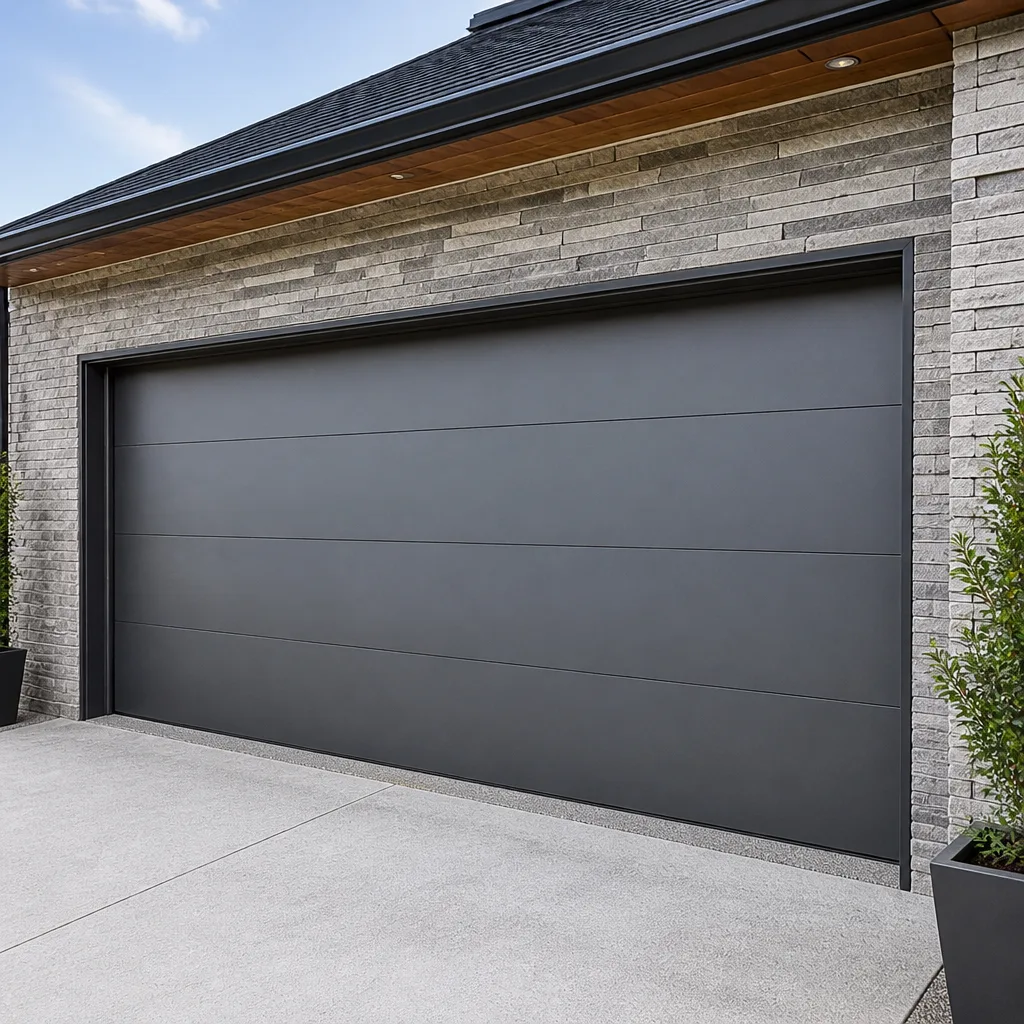 Modern flush
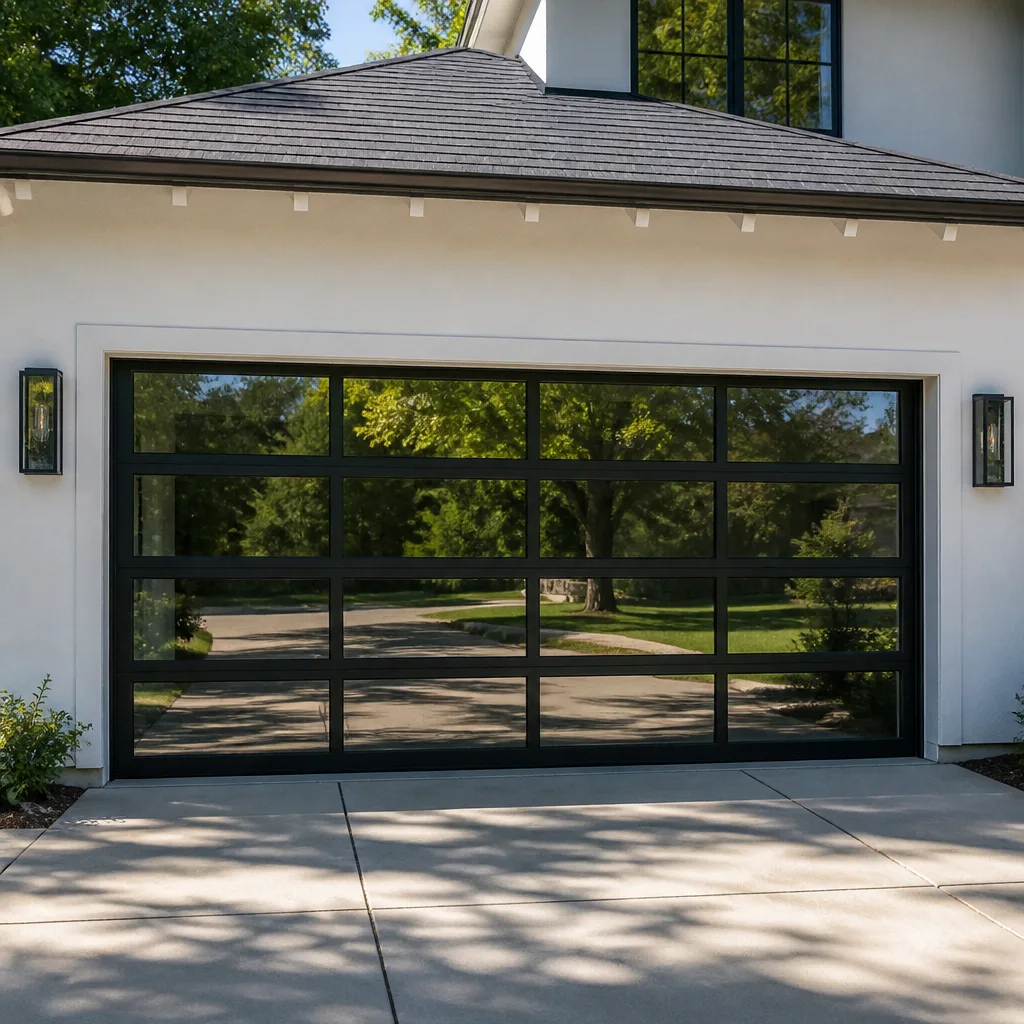 Full-view glass
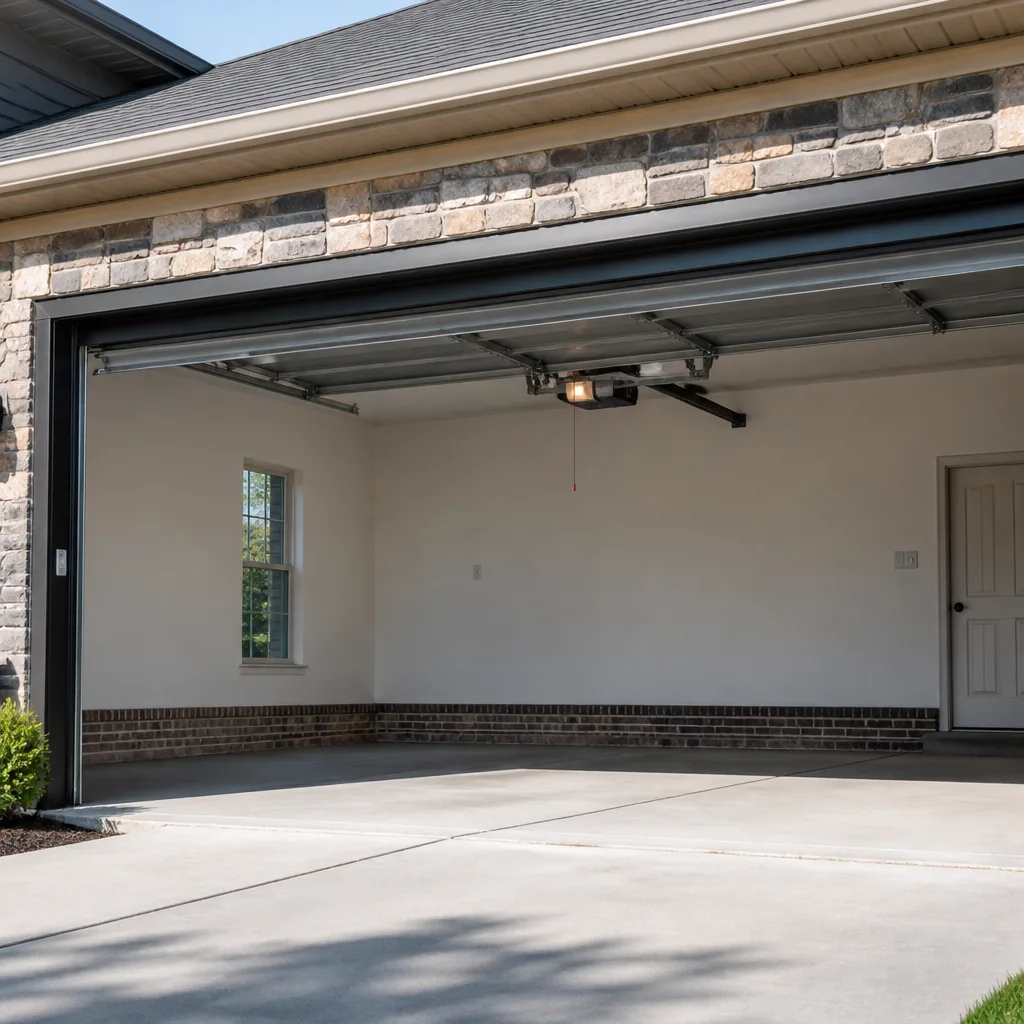 LiftMaster openers
 Chamberlain openers
Full 25-point door and opener safety check with every visit - springs, cables, rollers, tracks, and your LiftMaster or Chamberlain opener included
You get a price before we start. It does not change when the pro arrives.
Get your free estimateDIY vs Professional Garage Door: The St. Louis Hills Homeowner’s Decision Guide
Torsion springs store enough energy to break a wrist, and that isn’t because they’re exotic hardware. It’s basic physics. A wound torsion spring holds hundreds of pounds of force in a coil the size of a rolling pin, and releasing that force by accident is why even experienced general contractors won’t touch them. But here’s the part that gets lost: everything else on a garage door, from a squeaky roller to a misaligned sensor, is genuinely homeowner-appropriate work. This guide draws a hard line between the two. You’ll learn the mechanical reason a spring is different, the tasks worth doing yourself, what the tools really cost, and how to tell mid-job that you’ve hit a point of no return in St. Louis Hills.
Quick Answer
The only garage door task a homeowner should never attempt is anything involving torsion springs or the cables under tension, because a single mistake can cause serious injury. Everything else falls on a spectrum: weatherstripping, sensor alignment, remote programming, panel dent repair, and lubrication are safe DIY jobs, while roller replacement and cable reconnection are mid-level projects that demand specific tools most households don’t own. For springs, cables, and anything that feels wrong mechanically, call a professional. It’s the difference between a chore and a hazard.
Styles & brands we work with
- Raised-panel steel
- Carriage house
- Modern flush
- Full-view glass
- LiftMaster openers
- Chamberlain openers
Table of Contents
- Why Torsion Springs Are Categorically Different
- The Tasks That Are Genuinely Safe to Do Yourself
- Mid-Level Jobs: Rollers and Cables, and the Tools They Require
- The Real Cost Comparison, Including DIY Failure
- Point of No Return: When to Stop Mid-Job
- St. Louis Hills Specifics: Climate, Housing, and Daily Wear
- Knowing Your Equipment Before You Decide
- The Safety Line: What a Trained Technician Actually Checks
Why Torsion Springs Are Categorically Different
A garage door spring doesn’t just lift a door. It counterbalances the door’s weight so a person can raise it by hand and so an opener can move it with a small motor. A torsion spring does this by being wound tight and held in place by the cables and drums. When the door goes down, the spring winds; when the door comes up, the spring releases that stored energy to help. At rest on a closed door, a torsion spring on a typical two-car door is holding back a substantial load.
That’s the mechanical reason a spring is different from every other DIY home repair. Replacing a faucet, patching drywall, even swapping a light fixture: the energy in those systems is small or safely contained. A wound torsion spring holds its energy until something releases it, and the release is sudden. The winding bars used to adjust tension are the only thing standing between the coil and a violent unwind, and using them correctly is a skill, not an instinct.
There’s a second reason springs stand apart: how they fail. A spring under load doesn’t crack gently. It snaps and recoils, and the cables running through the drums can whip. That’s not a scare tactic, it’s what happens when metal under tension lets go. We handle spring repair as its own dedicated service for exactly this reason. It’s the most hazardous and skill-dependent job in the trade, and it’s the one place where “I watched a video” is genuinely not enough.
When a spring breaks in a St. Louis Hills garage, the door usually becomes dead weight. The opener strains, the door won’t lift, or it drops with a bang. Don’t run it. Leave it down and get it looked at before you try anything else.
The Tasks That Are Genuinely Safe to Do Yourself
Here’s the good news: most garage door upkeep is well within reach of a motivated homeowner. These tasks involve no stored spring tension, no high-voltage wiring, and no risk of a panel coming down on you. If you’re comfortable with a screwdriver and a ladder, take these on.
- Weatherstripping. The rubber seal along the bottom of the door and the trim around the frame keeps out rain, drafts, and the occasional leaf. It wears out and cracks. Replacing it is a matter of pulling the old strip, cleaning the channel, and sliding in a new one.
- Panel dent repair. Small dents in steel panels can often be pressed out from behind or filled. Cosmetic fixes that don’t touch the moving mechanism are safe.
- Opener remote programming. Reprogramming a remote or keypad on a Genie, LiftMaster, or Chamberlain opener is a button-press sequence from the manual. This is the single easiest task on the list.
- Safety sensor alignment. If the door reverses for no reason, the photo-eye sensors near the floor are usually out of line. Straightening them and wiping the lenses solves most of these.
- Lubrication. A garage door wants periodic lubrication on the rollers, hinges, and tracks. A garage-door-rated lubricant, not WD-40, applied a couple of times a year quiets the door and slows wear.
There’s a caveat with lubrication. Spending a few minutes under your door with a can of lubricant is a good way to catch problems early: you’ll feel a stiff roller, notice a frayed cable, or hear a sound that shouldn’t be there. When that happens, you know it’s time to have a technician look at the mechanism. For the details on maintenance and part requests, our page on Garage Door Repair St. Louis Hills covers what we handle day to day.
Mid-Level Jobs: Rollers and Cables, and the Tools They Require
Between the easy chores and the spring danger zone sits a band of projects that a confident homeowner can attempt, but only with the right tools. Two examples stand out: roller replacement and cable reconnection.
Rollers are the small wheels in the track. They wear out, get noisy, and sometimes seize. Replacing a set means relieving tension from the door (which means using the springs, so you’re already touching the spring system), pulling the old rollers, and sliding in new ones. The tools involved are manageable: a ladder, a socket set, pliers, and winding bars if you need to relieve torsion. Winding bars are the honest sticking point. They’re not expensive, but their whole purpose is to hold a spring under load, and if you’ve never used them, they’re not a beginner’s tool.
Cable reconnection is a step further. The lifting cables run from the bottom corners of the door, over the drums at the top, and are held taut by the spring system. A cable that slips off its drum or frays needs to be reconnected, and the cable is under the same tension the spring is. Working on a cable with tension on it is not a homeowner job. A cable that snaps free can do serious damage.
So the honest assessment for St. Louis Hills homeowners: if the job requires winding bars, cable drums, or spring tension, buy the tools and call a pro. If it requires a screwdriver, a ladder, and an afternoon, DIY is reasonable. The line isn’t “can I watch a video,” it’s “does this put me in contact with stored energy.”
The Real Cost Comparison, Including DIY Failure
A good dealer or repair company charges a fair price for a job done right. DIY can look cheaper on paper, but the comparison only makes sense when you include what happens when the DIY attempt goes wrong. A misaligned cable drum is a clean example: the part is inexpensive, but if the door comes off its track or a cable whips free, fixing the resulting damage costs more than the original professional job ever would have. The savings disappear the moment the door leaves the track.
Here’s how the two paths stack up for the work St. Louis Hills homeowners most often attempt:
- Weatherstripping: DIY parts run low. A pro install is a modest flat job. Safe either way.
- Sensor alignment and remote programming: Free to DIY with the manual. No parts to buy.
- Roller replacement: Parts are cheap; the risk is in relieving tension. A pro job includes inspection of the springs and cables at the same time, so you catch problems early.
- Spring replacement: A typical single-spring replacement in the St. Louis Hills market usually runs in the low-to-mid hundreds of dollars depending on door size and spring type, and a matched pair typically runs about twice a single spring. This isn’t a DIY cost at all. It’s a pro-only line item.
- Cable replacement: Priced by job, quoted before work begins. Again, pro-only.
The point of that list is to strip away the false economy. A DIY attempt on a mid-level job can cost you a Saturday, a skinned knuckle, and then a professional call to fix what went wrong. A free estimate from a pro costs you a phone call and tells you exactly where you stand before you decide. We quote and agree on price before any work starts, so there’s no surprise invoice at the end. For a fuller breakdown of typical jobs and pricing, see our guide on garage door repair.
Point of No Return: When to Stop Mid-Job
The trickiest scenario isn’t starting a project you shouldn’t. It’s starting a project you should have been fine doing and discovering it’s bigger than you thought. Here’s how to recognize it. If any of these happen, stop and put the door down gently before you make anything worse.
- You’ve touched the winding bars. If you’re about to wind or unwind a torsion spring and you’ve never done it, stop. Put the door down. A wound spring can be left alone safely; a half-adjusted one cannot.
- A cable has slipped a drum or frayed. Don’t run the opener. Don’t try to guide the cable back onto the drum by hand. Call for repair with the door in the closed position.
- The door has come off its track. Once the rollers leave the track, the door’s weight distribution changes and panels can bend or fall. Stop, keep everyone away, and get it looked at.
- The opener strains but the door doesn’t move or moves raggedly. This usually means spring or cable trouble, not a motor problem. Replacing the opener won’t fix it, and running it will burn out the motor.
- A panel has bent out of shape. Panel distortion often means the track, hinges, or spring balance is off. It’s a sign to diagnose the whole system, not just swap the panel.
The common thread: any of these is a sign the door’s mechanical balance is compromised. That’s when a professional diagnosis saves money, because it stops a small problem from becoming a door replacement. When in doubt, leave the door closed and call.
St. Louis Hills Specifics: Climate, Housing, and Daily Wear
St. Louis Hills has its own pattern of garage door wear, and it’s worth knowing before you decide to DIY. The neighborhood’s housing stock is a big part of it. This is a historic, tree-lined section of south city where many garages were built decades ago. Older garage doors often mean older openers, tired rollers, and hardware that’s seen plenty of cycles. If your home has a vintage door, budget for replacing parts rather than adjusting them.
The climate in this part of St. Louis does real work on a garage door. Summers here are hot and humid, which stresses wood panels and finishes. Winters bring freeze-thaw swings that work on weatherstripping at the base of the door and on the seals around the frame. A door that doesn’t seal properly in St. Louis Hills lets in the damp and the cold. Replacing weatherstripping and checking seals before the seasons turn is one of the best DIY jobs a homeowner can do, and it directly protects the rest of the door.
There’s a security angle too, and it’s practical rather than dramatic. A door that seals well and runs smoothly is the one that keeps out what you don’t want in your garage. A door that binds, gaps, or runs off its track is a bigger worry than most homeowners realize. If your door is missing panels or won’t close flush, that matters.
Beyond that, the day-to-day rhythm of the neighborhood matters. In a place where most households use their garage as the main entrance, a door that won’t open is a real inconvenience. That’s the practical reason we treat spring and opener repairs seriously and aim for same-visit diagnosis. For opener work specifically, our page on garage door opener repair explains what we check.
Knowing Your Equipment Before You Decide
Before you start any DIY project on your garage door, know what you’re working on. The brand on the opener or the door panel tells you what tools, parts, and sequences you’ll need. The good news for St. Louis Hills homeowners is that the vast majority of residential equipment falls within a handful of well-known brands.
If your opener is a Genie, Chamberlain, LiftMaster, or Craftsman, you’re in good company. If your door panels are a Clopay, Amarr, Wayne Dalton, or Raynor, parts and support are widely available. We’re factory-familiar with all of those, which means when you call about a Genie opener that’s acting up or a Clopay panel that needs replacing, the technician doesn’t have to guess. We work on your brand, on the first visit.
That brand awareness matters when you’re deciding to DIY, too. A manual for a LiftMaster opener is a reliable guide to programming a remote. A manual for an unfamiliar off-brand opener is less reliable, and parts can be hard to find. Knowing your brand is half the battle in deciding whether a job is genuinely within your reach.
The Safety Line: What a Trained Technician Actually Checks
A trained technician doesn’t just fix the broken part. They check the whole system, because garage doors fail slowly before they fail suddenly. When we diagnose a door, we’re looking at a set of things a homeowner can’t easily see or measure.
- Spring tension and balance. Is the door balanced, or is one side doing more work? A door that’s out of balance wears out openers and puts strain on springs.
- Cable condition. Fraying, wear at the drum, and rust on the cables are early warning signs. They’re easy to miss from the ground.
- Roller and hinge wear. Stiff rollers, worn hinges, and loose hardware cause the door to bind and wear faster.
- Track alignment. Tracks get bumped and bent. A misaligned track can pull the door off its course.
- Opener safety features. The auto-reverse and the photo-eye safety system need to actually work. This is a life-safety feature, especially in a home with children or pets.
- Weather seals and threshold. Is the door sealing against the frame and the floor as it should?
This is the part of the job that’s hard to replicate with a YouTube video. It’s also why a professional visit is worth it even for a small repair. The fix is one part of it; the safety check is the other. Springs are the most dangerous component in your garage door system, and the check around the rest of the system is what keeps a repair from becoming a replacement. When a full replacement is the right call, our page on garage door installation walks through the process.
Common Mistakes to Avoid
- Attempting a torsion spring replacement without winding bars. A spring under tension needs the right tool and technique to release safely. Using the wrong tool is how a routine repair becomes an emergency room visit. Springs are pro-only.
- Running an opener when the spring is broken. If the door feels dead or won’t lift, the motor will strain and burn out trying to move a door that’s no longer balanced. Leave it down.
- Using the wrong lubricant on rollers and tracks. WD-40 attracts dirt and doesn’t hold up on a garage door. Use a garage-door-rated lubricant, and avoid greasing the tracks themselves.
- Ignoring weatherstripping in a humid St. Louis Hills summer. A failed bottom seal lets in the damp and rots the door. Replace it before the season turns.
- Trying to realign a cable on the drum by hand. A cable under tension can snap and whip. Don’t put your hands near the drum with the door raised.
- Assuming a strained opener is a motor problem. Most opener failures are really balance and spring problems in disguise. Diagnose the door before replacing the opener.
- Skipping the seasonal check. A few minutes with a lubricant and a flashlight under the door each season catches worn rollers and frayed cables before they fail.
See the difference
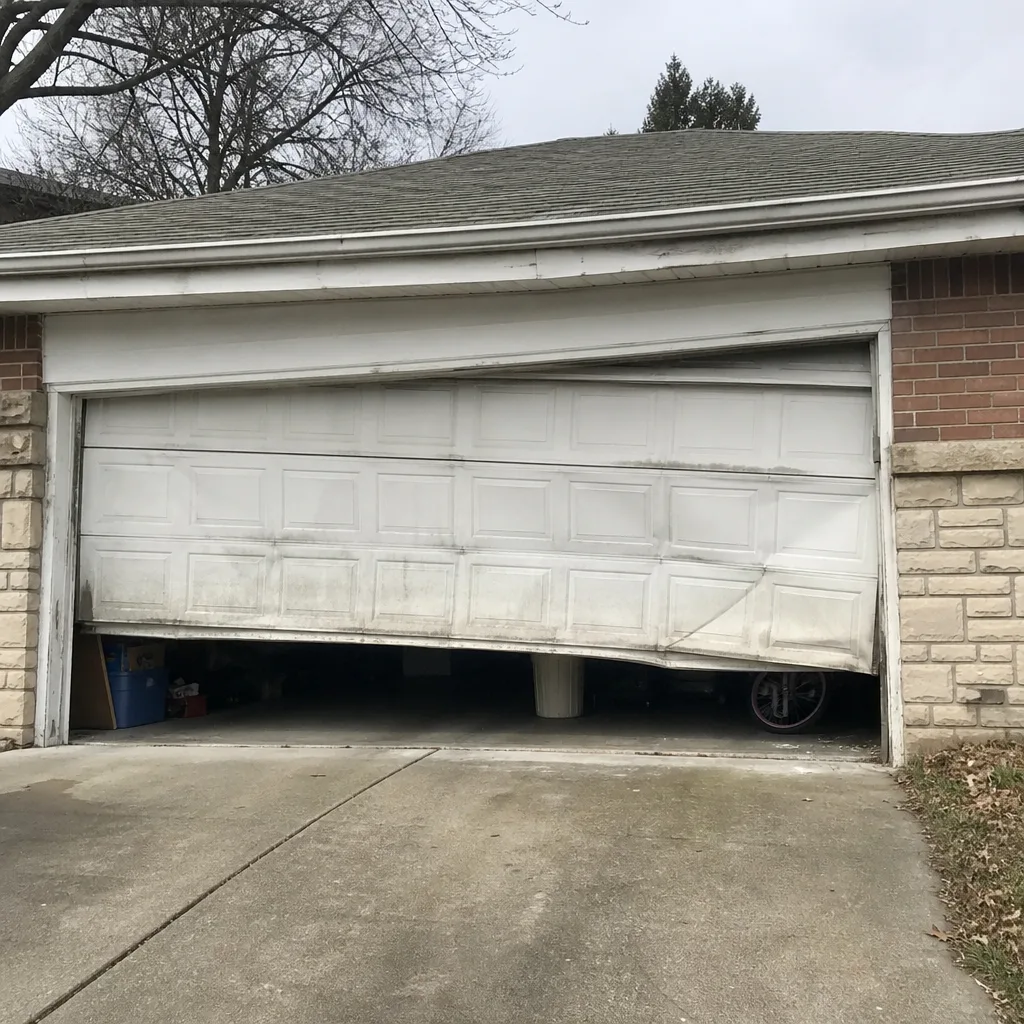 Before
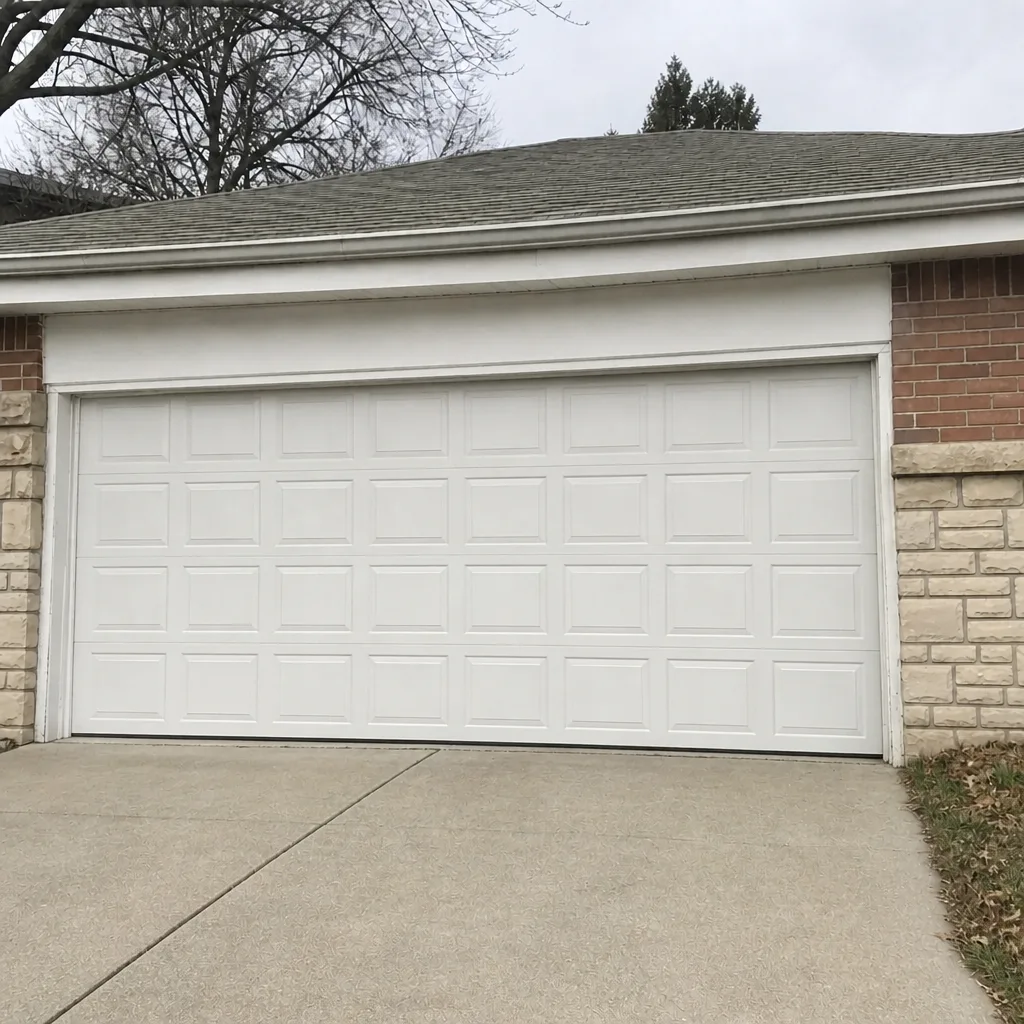 After
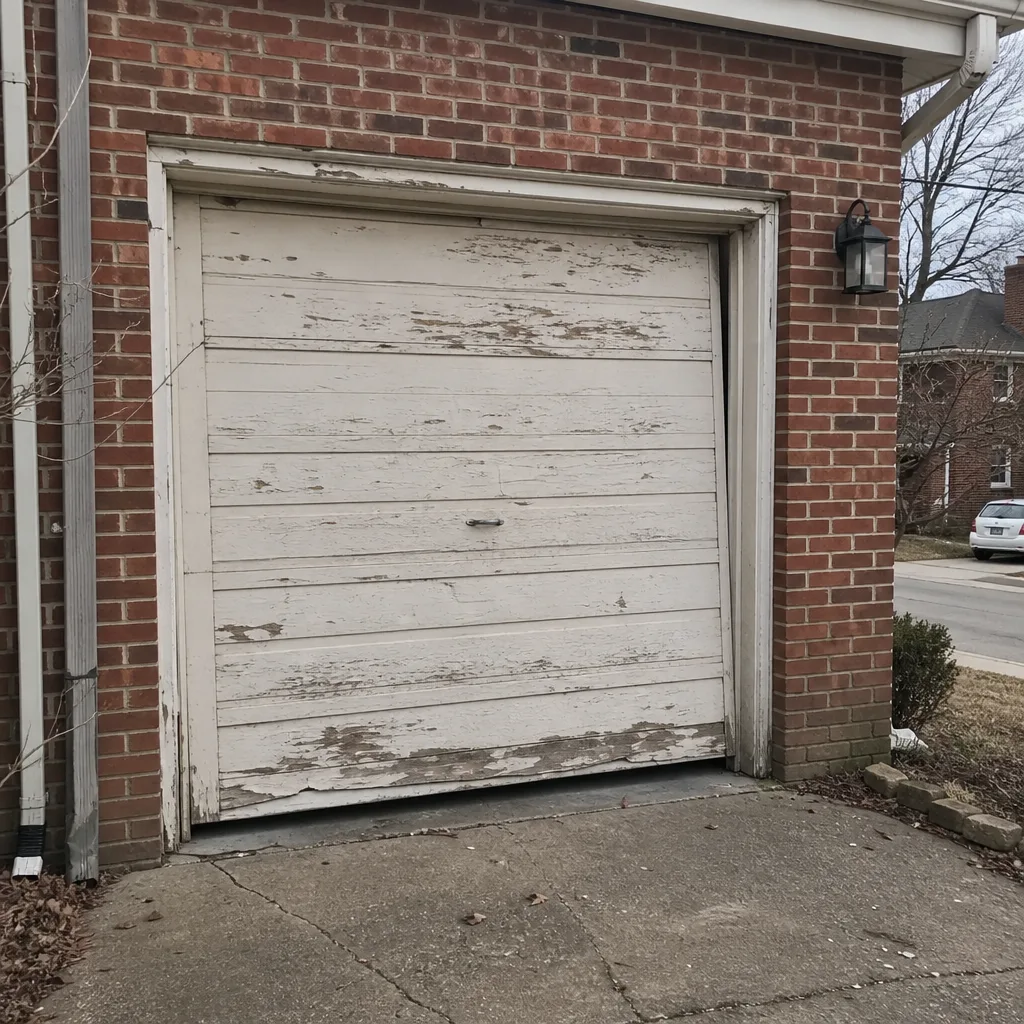 Before
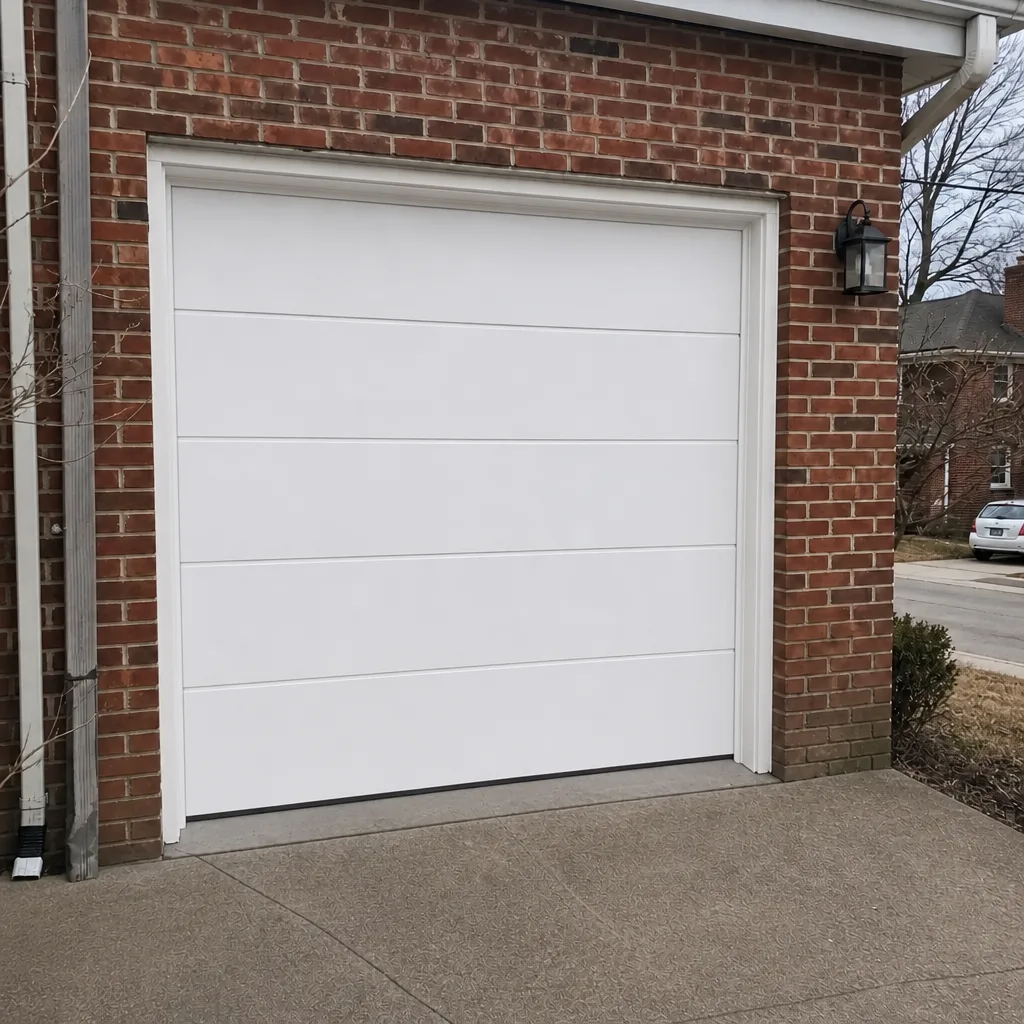 After
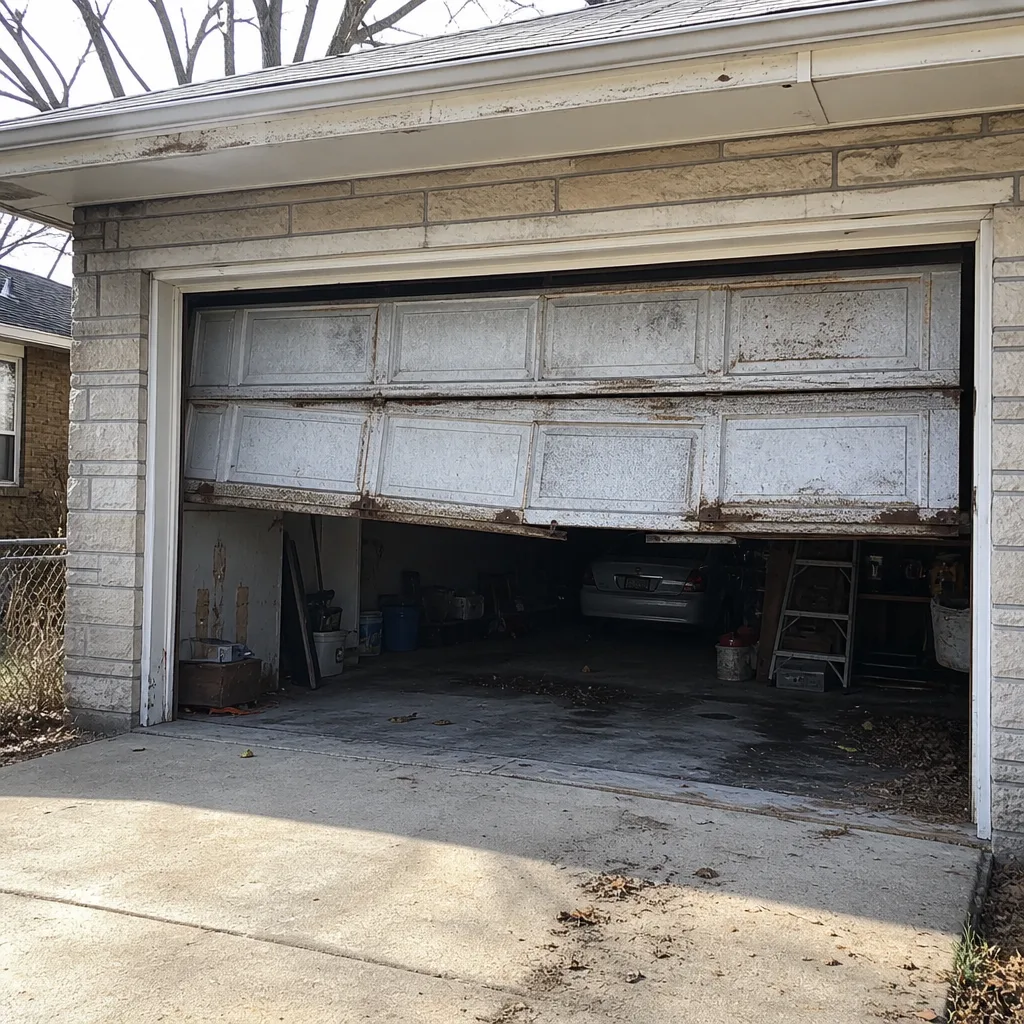 Before
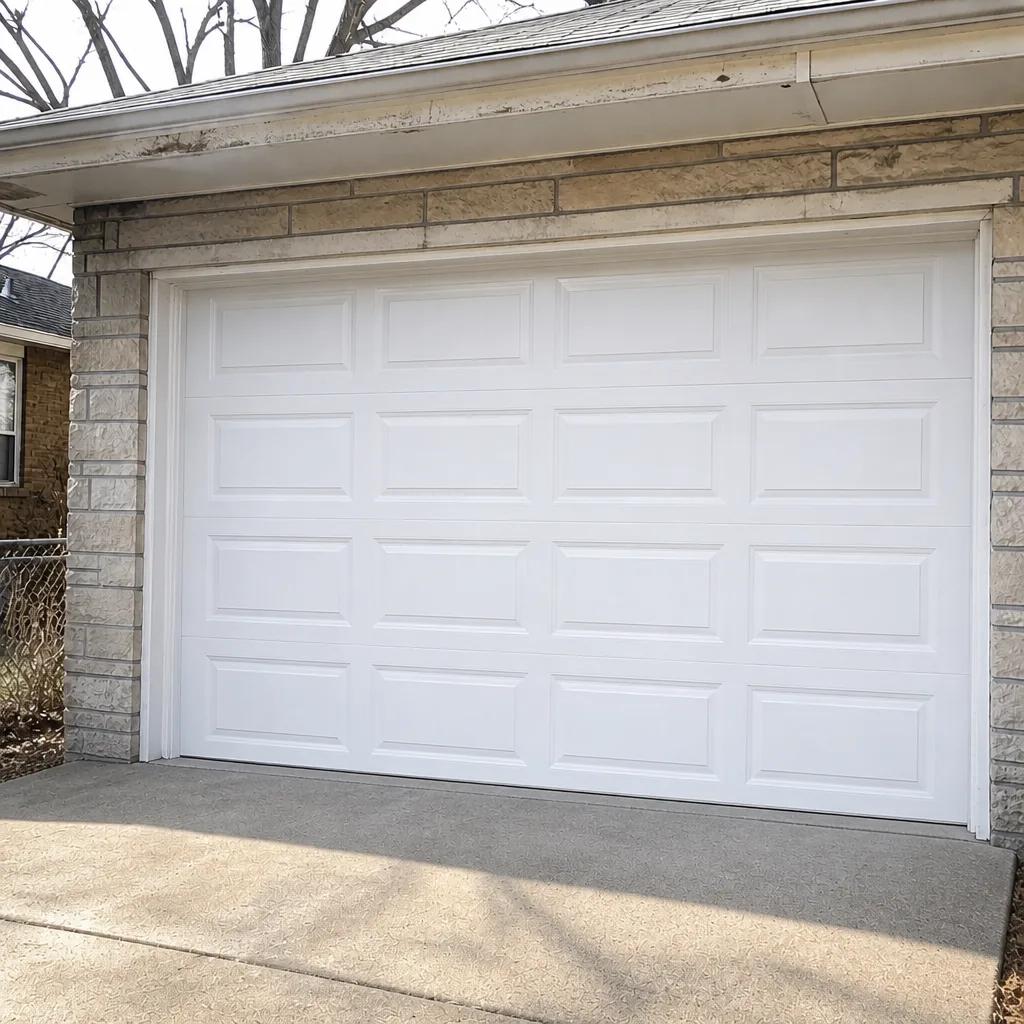 After
When to Call a Professional
Call a professional for anything involving the torsion springs or the lifting cables. Call for a door that’s come off its track, a door that won’t balance or closes unevenly, an opener that strains or reverses for no clear reason, and any job you started that turned out to be bigger than you expected. Call for a professional diagnosis if you’re unsure about a sound, a gap, or a door that just doesn’t feel right. Garage Door Repair St. Louis Hills offers free estimates in St. Louis Hills. Our technicians have up to 13 years of experience, and we diagnose the whole door, not just the part that seems broken. Call (833) 991-7150 to book an estimate. Pricing is quoted and agreed before any work starts, so there are no surprises when the job is done. We can work with your insurer if that becomes relevant.
Frequently Asked Questions
No. A torsion spring stores enough energy to cause serious injury when it releases, and the only safe way to work on one is with proper winding bars and training. This is the one job in the trade that’s genuinely pro-only. Call (833) 991-7150 for a free estimate, and don’t run the door in the meantime.
Weatherstripping, panel dent repair, opener remote programming, safety sensor alignment, and lubrication are all safe DIY jobs. They involve no spring tension and no high-voltage wiring. If a task requires winding bars or putting your hands near a cable drum, stop and call a professional.
A typical single torsion spring replacement in the St. Louis Hills area usually runs in the low-to-mid hundreds of dollars depending on door size and spring type, and a matched pair typically costs about twice a single spring because they’re replaced together. We quote and agree the price before work begins. Call (833) 991-7150 for an exact quote; estimates are free.
Often, yes. Spring and opener repairs are usually same-visit work when we have the part, and we supply parts directly so repairs don’t stall waiting on third-party orders. Call (833) 991-7150 and we’ll tell you what’s possible for your St. Louis Hills door.
No, not the agreed price. We inspect the door, quote the job, and you agree before any work starts. If additional issues turn up during the repair, we talk through them with you before doing anything extra. Call (833) 991-7150 for a free estimate.
Don’t try. A door off its track has lost its balance, and the weight and spring tension can cause the door to fall or bend further. Keep everyone clear and call for repair. We diagnose the whole door system so the track issue gets fixed at the source.
The Bottom Line
The DIY versus professional question comes down to stored energy, not skill level. Springs and cables are pro-only because the physics makes them dangerous. Weatherstripping, sensor alignment, remote programming, and lubrication are safe and worth doing yourself. Mid-level jobs like roller replacement sit on the edge, and knowing your tools and your brand tells you which side you’re on. When in doubt, or when a job turns out bigger than it looked, stop and call. In St. Louis Hills, Garage Door Repair St. Louis Hills handles the whole door system, from springs and openers to parts and new installation, with free estimates. Call (833) 991-7150 to book yours.
Written by the team at Garage Door Repair St. Louis Hills.