Last updated November 21, 2026
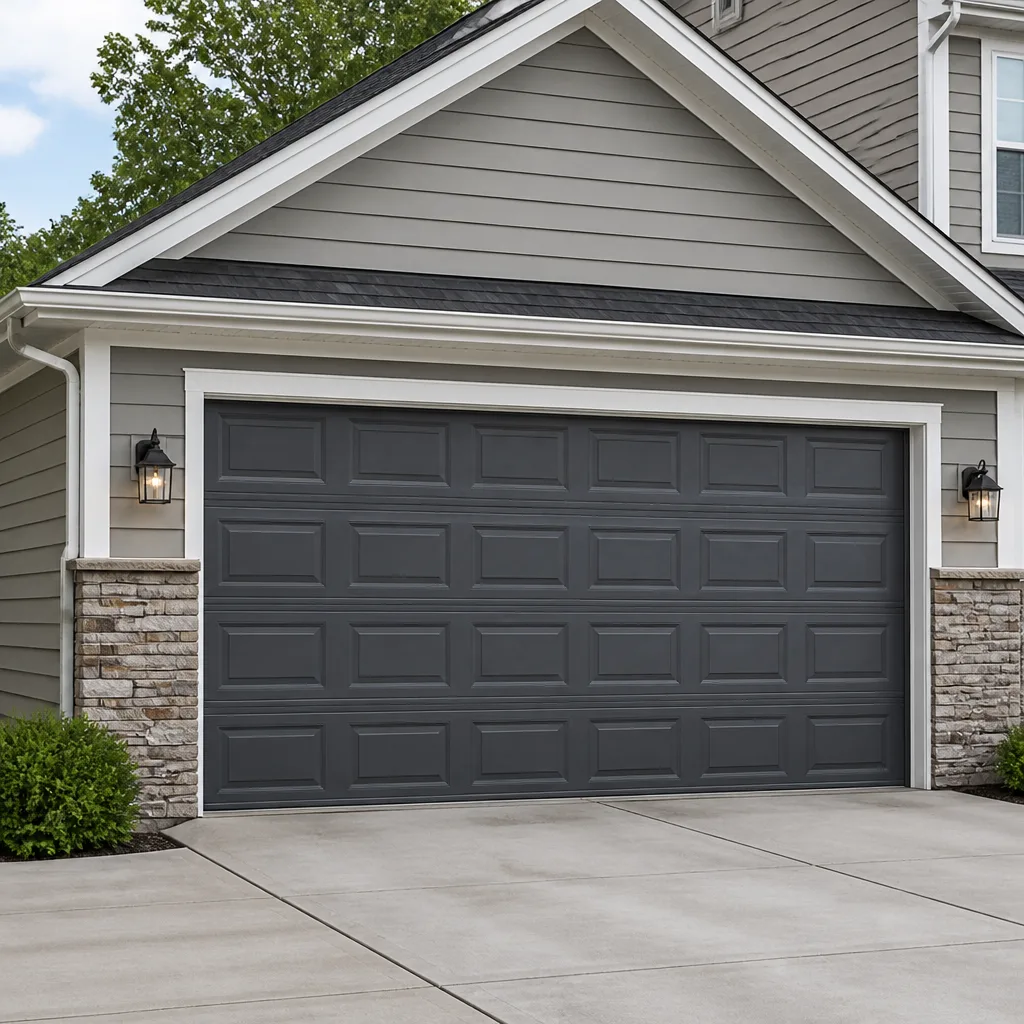 Raised-panel steel
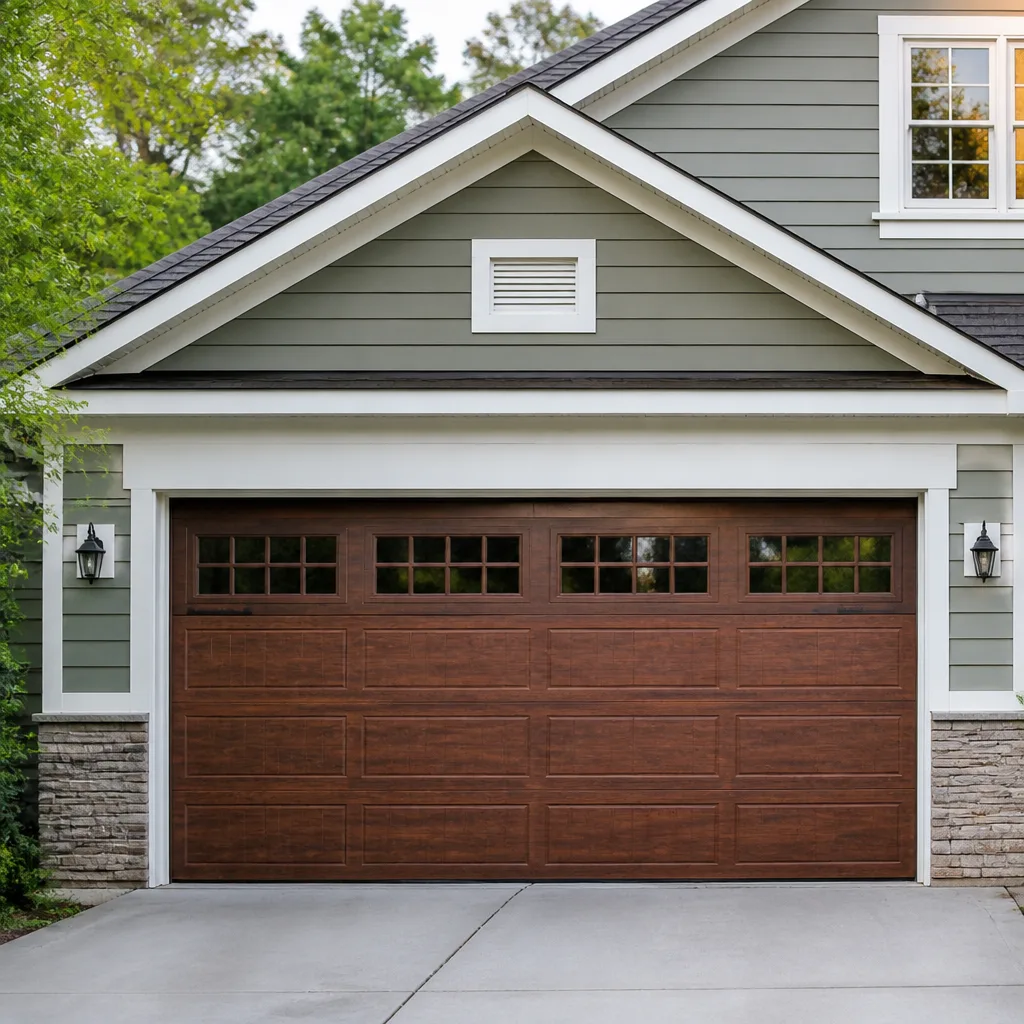
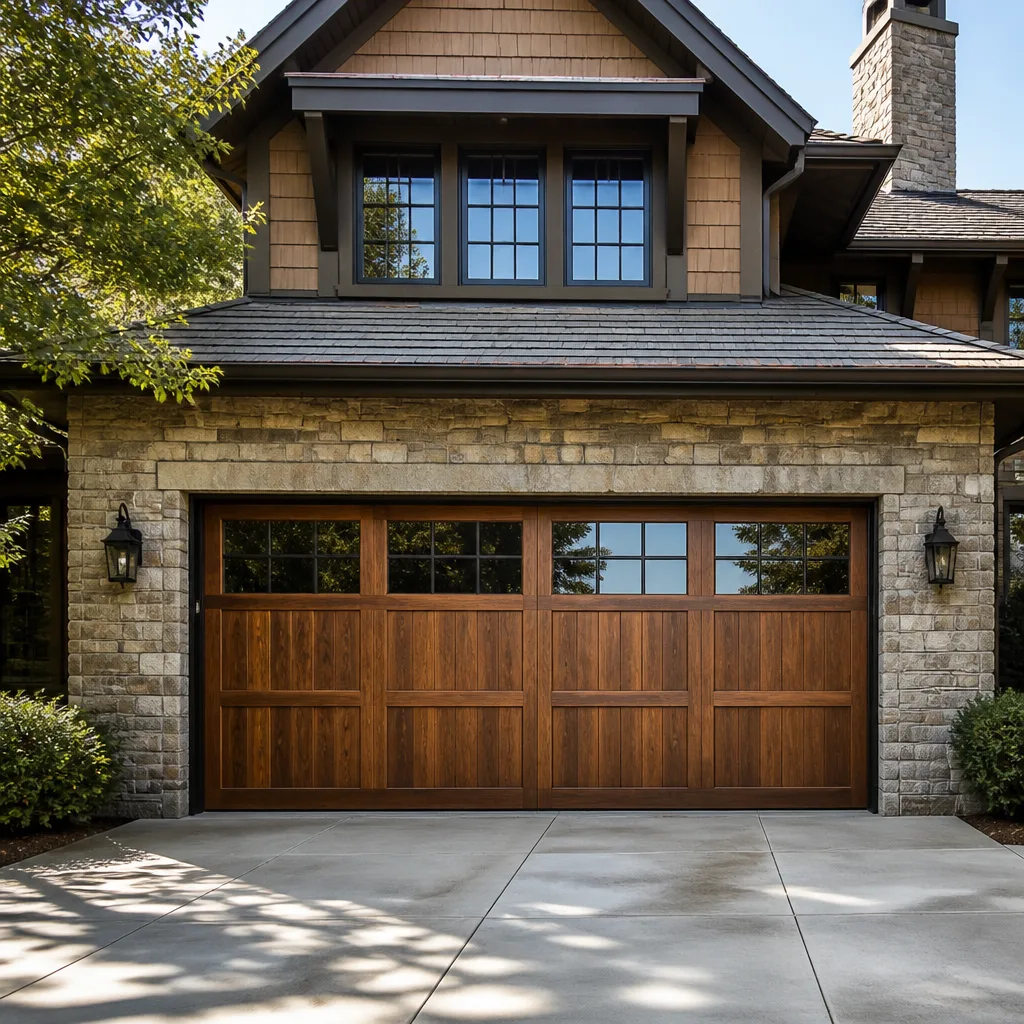 Carriage house
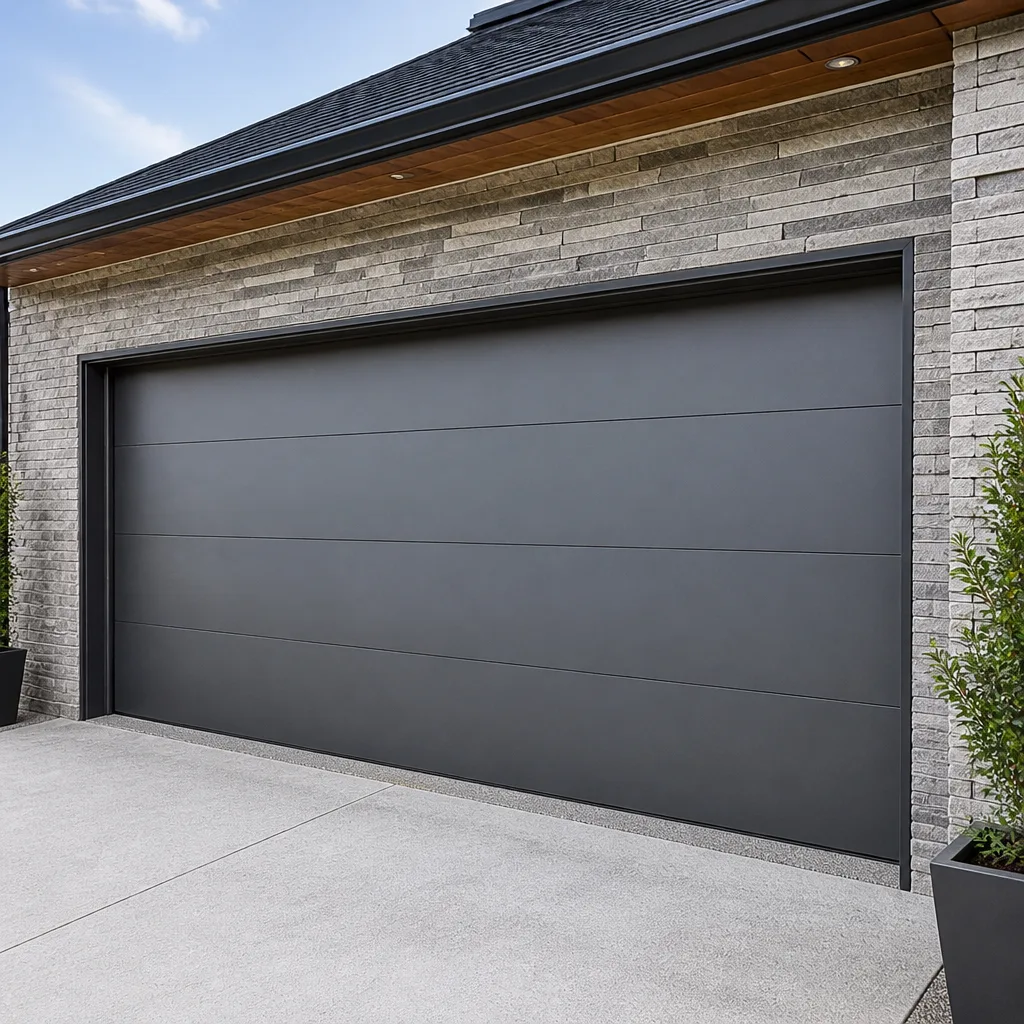 Modern flush
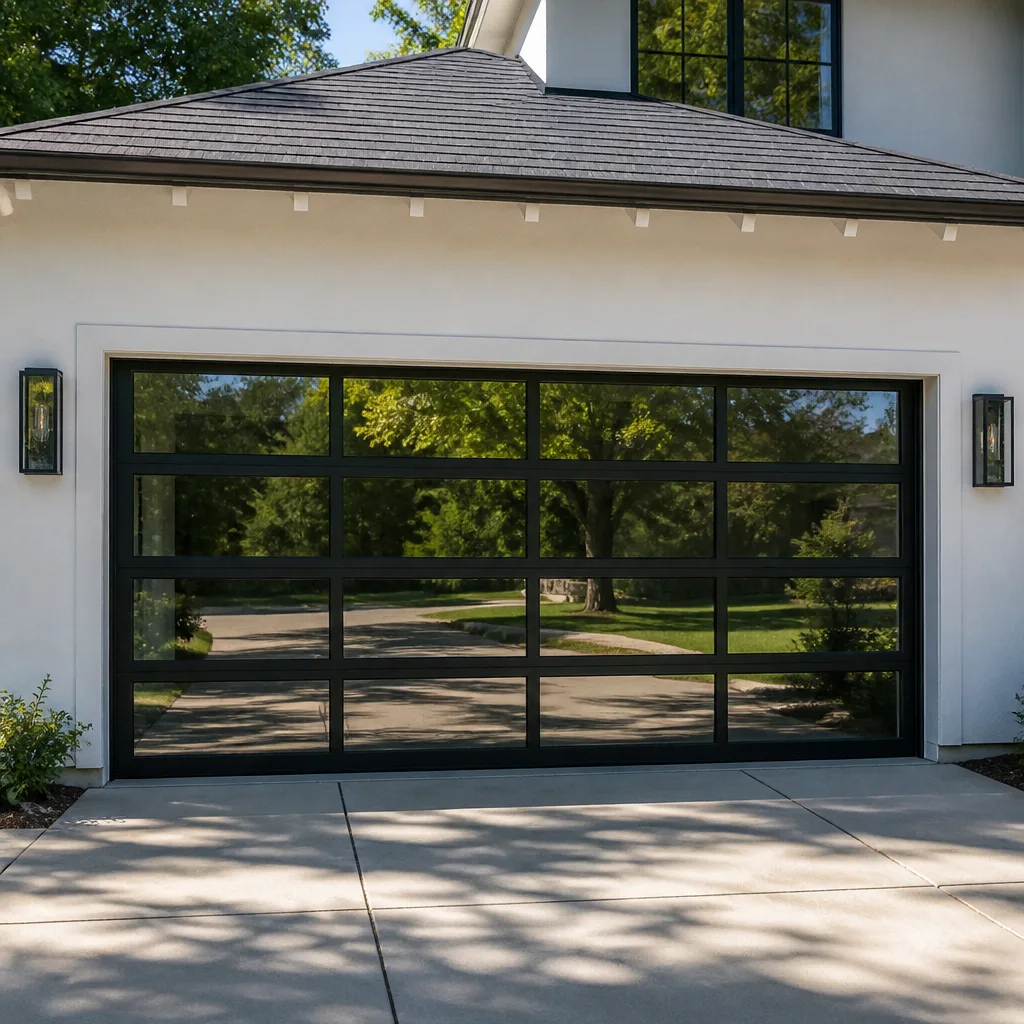 Full-view glass
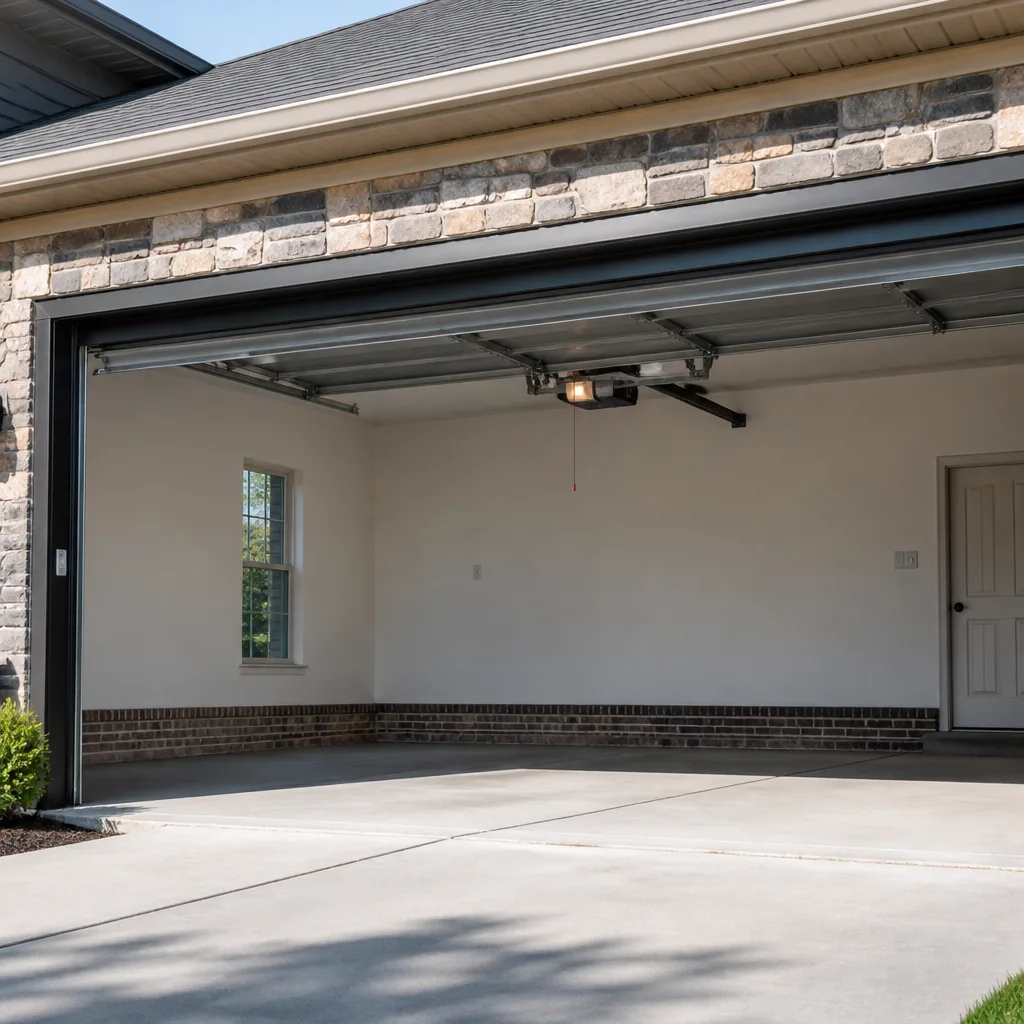 LiftMaster openers
 Chamberlain openers
Full 25-point door and opener safety check with every visit - springs, cables, rollers, tracks, and your LiftMaster or Chamberlain opener included
You get a price before we start. It does not change when the pro arrives.
Get your free estimateGarage Door Emergency Preparedness Guide for St. Louis Hills Homes
Most garage door advice assumes you have time to think. You usually don’t. When a door jams halfway down on a Sunday night with the car inside, the panic isn’t about maintenance schedules – it’s about Monday morning. Here’s the counterintuitive part: the majority of garage door emergencies in St. Louis Hills aren’t random failures. They cluster around the same handful of causes, and they follow predictable patterns that a homeowner can prepare for in advance. This guide gives you the actual action protocol for the three scenarios that account for nearly every emergency call we take – the door that won’t open, the door that won’t close, and the door that’s been damaged. You’ll learn what to check in what order, how to secure your garage safely, and when the safest move is to stop touching anything and call.
Quick Answer
A garage door emergency usually resolves into one of three situations: a door that won’t open (spring failure, opener fault, or power loss), a door that won’t close (sensor misalignment or obstruction), or a physically damaged door. For a won’t-close problem, check the safety sensors first – that alone resolves the large majority of cases without a service call. For a broken spring or a door stuck open, don’t force it; secure the garage and call a professional. In St. Louis Hills, the fastest path to a working door is a clear description of the symptom plus your door and opener brand when you call (833) 991-7150.
Styles & brands we work with
- Raised-panel steel
- Carriage house
- Modern flush
- Full-view glass
- LiftMaster openers
- Chamberlain openers
Table of Contents
- The Three Emergency Scenarios St. Louis Hills Homeowners Actually Face
- Door Won’t Close: The Sensor Troubleshooting Sequence That Fixes Most Cases
- Door Won’t Open: Diagnosing Spring vs. Opener vs. Power
- The Manual Release: How to Use the Emergency Cord Correctly
- Broken Spring Protocol: What to Do and What Never to Do
- Securing a Damaged or Open Door Until Help Arrives
- What to Have Ready When You Call for Emergency Service
- Preparing Your St. Louis Hills Garage Before the Next Failure
The Three Emergency Scenarios St. Louis Hills Homeowners Actually Face
When someone calls us in a panic, the story almost always fits one of three patterns. Knowing which one you’re in tells you immediately whether you’re looking at a five-minute fix or a job that needs a technician.
Scenario one: the door won’t open. Your car is trapped inside and you need to leave. This is the most common emergency we hear about in St. Louis Hills. The causes are usually a broken torsion or extension spring, an opener that has lost its travel limits or drive gear, or a tripped breaker or dead backup battery. The critical distinction: if the door feels extremely heavy when you try to lift it by hand, spring failure is likely, and you should stop there.
Scenario two: the door won’t close. You’re about to leave for work, you hit the button, and it goes down a foot and reverses. Nine times out of ten this is a safety sensor problem, not a door problem. The sensors sit low on either side of the opening, and in St. Louis Hills they contend with everything from leaves blown in during a storm to a spider web across a lens to a slightly bumped mounting bracket.
Scenario three: damage. A vehicle backed into the door, a storm dropped a limb, or a panel got dented and now the door binds. This one is less about troubleshooting and more about making the garage secure until a repair can be scheduled.
Each scenario has its own protocol below. The theme that runs through all three: the safe homeowner actions are quick and specific, and the moment you cross into the driveway-work-on-a-loaded-spring category, you hand it off. Our Garage Door Repair St. Louis Hills team sees these three patterns constantly, and the homeowners who prepare in advance spend far less time locked out of their own garage.
Door Won’t Close: The Sensor Troubleshooting Sequence That Fixes Most Cases
A door that reverses or refuses to close is almost always reporting a safety sensor fault. The sensors are designed to stop and reverse the door if anything breaks the beam between them, and they’re the single most common cause of a won’t-close call. Work through these checks in order – this exact sequence resolves the large majority of cases before you pick up the phone.
- Look at the indicator lights on both sensors. Each sensor has a small LED. If one is solid and the other is dark or flickering, you’ve found the problem side. If both are dark, suspect a power or wiring issue at the opener.
- Check for blockage between them. A leaf, a bike tire, a trash can, or a pet toy in the beam path will stop the door. Clear anything within a few feet of the opening.
- Wipe both lenses. Dust, cobwebs, and grime build up and scatter the infrared beam. A dry cloth on each lens takes seconds.
- Check alignment. The two sensors should point at each other squarely. A bumped bracket from a car door or a lawn tool knocks them out of line. Gently adjust one and watch the indicator – when both LEDs go solid, you’re aligned.
- Check the sun factor. Direct low sun into a sensor lens can blind it. If the door fails only at one time of day, this is the culprit, and a small shade or repositioning usually solves it.
- Check the wiring connections. At the back of the opener and at each sensor, make sure the low-voltage wires are seated. Loose connections from vibration are common.
If all six checks pass and the door still reverses, the issue has moved beyond the sensors – it could be opener travel limits, a failing logic board, or a door binding in the tracks. That’s the point to call. Our garage door opener repair covers sensors, wiring, logic boards, travel limits, and drive systems across the major brands, so a fault that survives the checklist gets diagnosed properly rather than guessed at.
One St. Louis Hills note: after a heavy rain or a windy night, re-run step two before anything else. Debris in the opening is the most common reason a door that worked fine at dinner won’t close at bedtime.
Door Won’t Open: Diagnosing Spring vs. Opener vs. Power
When the door won’t open, you need to narrow it to one of three suspects fast. Do this from outside the door’s path, with the door fully closed, and never put your hands anywhere near the springs, cables, or the hinges under tension.
Suspect one: power. Check the opener’s light. If the opener is completely dead, check the breaker and the wall outlet. Also try the wall switch versus the remote – if the wall switch works but the remote doesn’t, the problem is the remote or the opener’s receiver, not the door. If nothing works, it’s power or the opener itself.
Suspect two: the opener. If the opener hums but the door doesn’t move, or moves a few inches and stops, suspect the drive system – a stripped gear, a loose chain or belt, or travel limits that have drifted. A door that opens partway and reverses suggests a sensor or limit issue rather than the door mechanism.
Suspect three: the spring. Here’s the safe test. With the opener disengaged (see the manual release section), try to lift the door by hand about a foot. A healthy door with working springs lifts with modest effort. A door whose spring has failed feels dramatically heavy, like lifting a dead weight. If that’s what you feel, stop – the door should not be operated further. A broken spring means the full weight of the door is unsupported, and forcing the opener to lift it can damage the opener or the door and, far worse, injure someone.
- Opener light on but no movement = drive or opener logic
- Opener completely dead = power or opener
- Door extremely heavy by hand = spring failure, stop here
- Door moves smoothly by hand but opener won’t run = opener or wiring
The spring is the suspect to treat with the most respect. It’s the most dangerous component in your garage door system, stored under high tension, and it’s the one part we never suggest a homeowner touch. Diagnosing it is fine. Repairing it is a trained-technician job.
The Manual Release: How to Use the Emergency Cord Correctly
Every opener equipped with a manual release has a cord hanging from the carriage – the trolley that rides the rail. Pulling it separates the door from the drive so you can open it by hand during a power outage. The sequence matters, and so does re-engaging it, because a door that’s been left disconnected and worked by hand can slam or misalign if you’re not careful.
- Make sure the door is fully closed and the opener is off. Don’t pull the cord with the door partway up if you can avoid it – a door that’s been disengaged mid-travel can drop.
- Pull the cord straight down and hold briefly. You’ll feel it release the carriage from the drive. On some openers there’s a spring-loaded latch; a firm pull is what you want, not a yank.
- Lift the door slowly by hand. Use the bottom section for leverage, keeping your hands away from the hinge line. If it feels far heavier than usual, the springs may be failing – stop and secure the door.
- Re-engage by operating the opener once the door is fully closed. Most openers reconnect automatically when the carriage meets the drive and the opener cycles. Check that the carriage has latched before trusting the opener again.
- Test the door through a full open and close cycle after re-engaging, and watch that the door meets the floor evenly and reverses on the safety test.
Two things go wrong here more than anything else. First, homeowners pull the cord while the door is open, then the door drops or jams. Second, they re-engage the carriage while the door is up and the opener runs into a misaligned trolley. Both are avoidable by keeping the door closed during the pull and the reconnect. If your opener is a LiftMaster or Chamberlain, the release and reconnect behavior is the same pattern – the brand doesn’t change the procedure.
We’ve seen this done correctly and done badly across St. Louis Hills, and the difference is almost always whether the homeowner kept the door closed and reconnected deliberately. If you’re unsure, the safest move is to leave the door disconnected, secure it, and call – a garage door left hanging is a security problem, not just an inconvenience. Our full garage door repair service handles reconnection and alignment when the release has left things out of whack.
Broken Spring Protocol: What to Do and What Never to Do
The spring is the heart of your garage door’s lift system. It stores the energy that counterbalances the door’s weight so the opener only has to guide it. When a spring breaks, it snaps loudly – many homeowners describe it as a bang like a gunshot, and if you’re nearby you’ll hear it clearly – and the door suddenly feels like it weighs far more than it did yesterday.
Confirmation is straightforward. Look along the torsion spring (the coil mounted above the door, running horizontally) or the extension springs (the coils on either side running along the tracks). A break appears as a visible gap of an inch or more in the coil. Don’t stick your hand up there to check – look. If you see the gap, the spring is broken.
Once you’ve confirmed it, the protocol is:
- Stop operating the door. Don’t hit the opener button, don’t try to lift it. With a broken spring, the opener can be forced to fight the full weight of the door, damaging the opener’s gears and motor and risking the door falling.
- Keep the door closed if it’s down. It’s held in the closed position naturally. Don’t try to open it further.
- If it’s stuck open, don’t force it closed. The door is unsupported and can slam. Barricade the opening so no one walks under it, and call.
- Secure the door if it must stay closed. A pair of locking pliers clamped on the vertical track just above a roller, below the spring, is a common manual hold to prevent the door from being lifted. This is a temporary measure, not a fix.
What never to do: don’t try to adjust, wind, or replace the springs yourself. Torsion springs are under enough tension that a slip can cause serious injury, and extension springs carry the same risk. We say this plainly because it’s true – the most dangerous component in your garage door system is the spring, and it’s the one part that should always be handled by someone trained for it. Our spring repair is a dedicated service for exactly this reason.
One budget note: spring prices are quoted per spring, and a matched pair is usually replaced together because they wear at the same rate – so a pair costs about twice a single. We always confirm which approach your door needs before we start, and the price is agreed before any work begins.
Securing a Damaged or Open Door Until Help Arrives
When the door is damaged or won’t close, the garage becomes an open door to your house. The priority shifts from “fix the door” to “secure the garage” until a repair can be scheduled. None of these measures is permanent, and you should treat any of them as temporary.
- Use the manual slide lock if you have one. Many doors have a lock bar or slide bolt on the inside that engages the track. From inside the garage, engage it and check that the door can’t be lifted.
- Clamp the track. A locking plier clamped on the vertical track just above a roller, below the spring, prevents the door from being raised from outside.
- Block the opening from inside. If the door is stuck partway up, a crossbar or a wedged 2×4 across the opening at the point where the door meets the track can stop anyone sliding under it.
- Set a temporary interior lock on the man door. If your garage connects to the house, the door between them is now a critical line of defense. Lock it and confirm the deadbolt engages.
- Move valuables out of reach. If the garage is open and can’t be closed, anything visible from the street should come inside the house until the door is repaired.
- Take photos before you move anything. If you’re filing an insurance claim or describing damage to a technician, a photo of the door as it sits saves a lot of back-and-forth.
Manual locking is enough when the door is fully closed and the mechanism can be engaged. It’s not enough when the door is stuck open, when the track is bent so badly the lock won’t hold, or when the door has dropped off one side of its track. In those cases, a physical barrier plus a fast response is the right combination. Our garage door repair team can often get to a damaged door the same day, and we’ll tell you on the call what temporary measures to take in the meantime.
A broken or bent door in a St. Louis Hills garage isn’t just about the door – the garage is often the main entry people use, so an unsecured opening is a daily problem until it’s fixed. Plan the temporary lock before the emergency so you’re not improvising at night.
What to Have Ready When You Call for Emergency Service
The faster you can describe the problem accurately, the faster the right technician arrives with the right parts. In our experience, a call that takes two minutes longer on the front end often saves a full day on the back end, because we can pre-load the part and diagnose en route.
Have these five things ready:
- The door brand. Look on the door’s edge or inside the opening for a label. Craftsman, Clopay, Amarr, Wayne Dalton, Raynor, and others all have distinct mechanisms and part numbers. We work on all the major brands, so knowing yours helps us match the part.
- The opener brand and model. Check the opener housing on the ceiling. A model number on a LiftMaster, Chamberlain, or Genie unit lets us pull the right logic board, remote, or gear kit if the problem is in the drive system.
- A clear symptom description. “Won’t close, reverses after a foot, sensor light blinking on the left” is far more useful than “the door’s broken.” Describe the sequence of what happens when you press the button.
- Whether the door is open or closed right now. If it’s stuck open, that changes the urgency and the first questions we ask.
- Access details. How we get into the garage, whether the car needs to move first, and whether the door is on an interior or exterior wall. This alone can trim minutes off a visit.
The goal isn’t to diagnose it over the phone. It’s to get a trained technician to your door with the right fix in hand. We diagnose and repair, and the parts we need are available, so we don’t stall waiting on a third-party order. That’s the practical value of a full-spectrum garage door company: the same team handles the springs, tracks, panels, and opener, so you’re not coordinating three different trades.
Preparing Your St. Louis Hills Garage Before the Next Failure
You can’t prevent every failure, but you can prepare for the three scenarios so the next one is a ten-minute inconvenience instead of a Sunday-night crisis.
- Learn where your manual release cord is and practice pulling it once with the door closed so you know what it feels like.
- Test the safety sensors monthly by passing an object through the beam – the door should reverse immediately. A door that fails this test is a door that will reverse when you’re trying to leave.
- Listen for the spring. A loud snap followed by a heavy door means a broken spring, and you’ll know the protocol from this guide.
- Watch for early warning signs: a door that opens unevenly, a slight sag on one side, a grinding or popping sound, or an opener that struggles. These usually precede a spring or opener failure.
- Write down your door and opener model numbers and keep them near the garage. Every emergency call goes faster when you have them.
St. Louis Hills homes tend to sit on lots where the garage is a genuine daily entry point, so a door that’s out of service stops more than parking – it disrupts the whole routine. The homes here also deal with the same inland Midwest weather pattern as the rest of the area: hot summers, cold winters, and temperature swings that work on springs and metal hardware. That cycle is a big reason a spring that worked all summer can fail on the first cold morning. Preparing in advance is the cheapest part of owning a garage door.
Common Mistakes to Avoid
- Forcing the door open after a spring breaks. The opener will fight the full weight of the door, damaging the drive system and risking a fall. Stop and call.
- Pulling the manual release with the door partway up. A disengaged door can drop without warning. Keep it closed, then release.
- Trying to adjust or replace springs yourself. Torsion and extension springs are under enough tension that a slip causes serious injury. This is a trained-technician job, every time.
- Ignoring a blinking sensor light and just holding the wall button. Holding the button defeats the safety reverse – it’s a bypass, not a fix. Diagnose the sensor instead.
- Re-engaging the opener before checking the carriage has latched. A misaligned carriage under a running opener turns a small problem into a bigger repair.
- Leaving the garage open after a damage incident. A door that won’t close is a security problem. Secure it with a track clamp or manual lock before you step away.
- Calling with no brand or model information. It slows the dispatch, and in St. Louis Hills, where our technicians already know the common door setups, the brand and symptom tell us the likely part before we leave.
See the difference
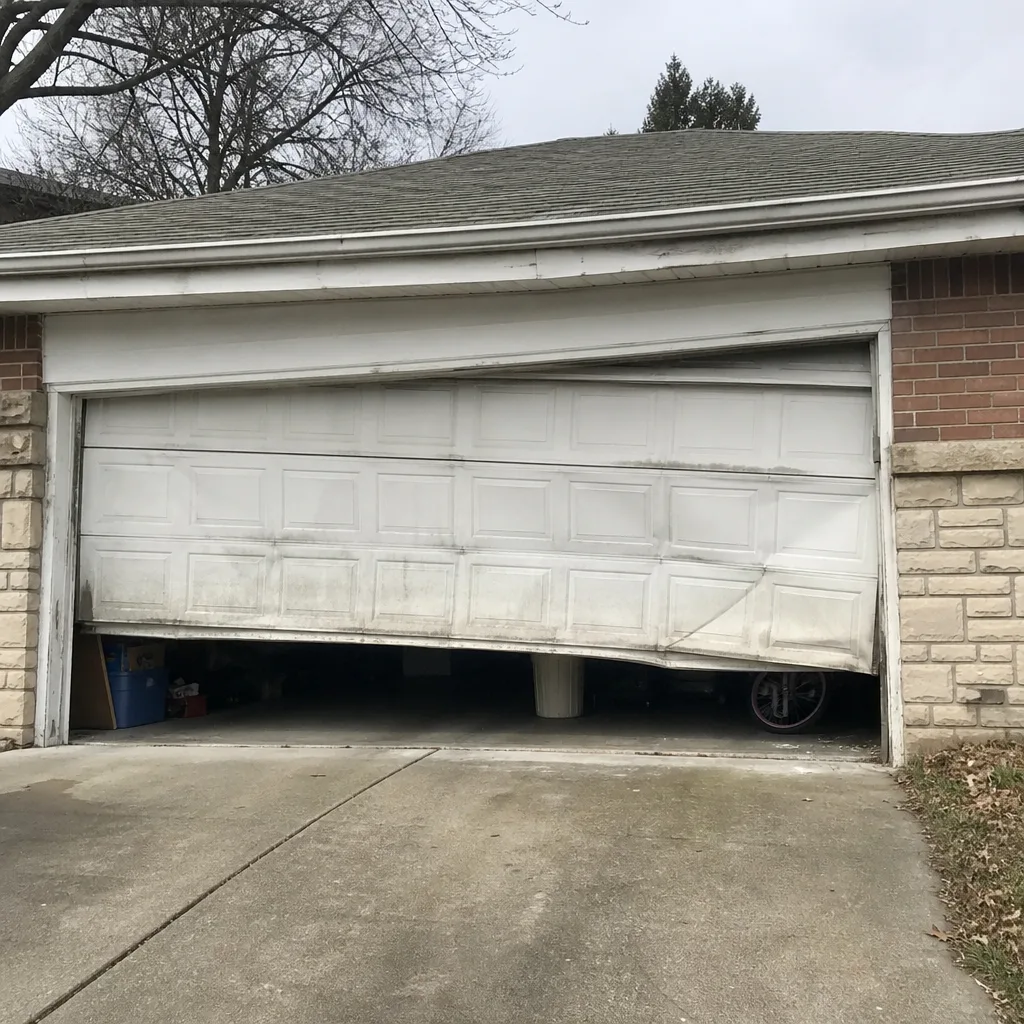 Before
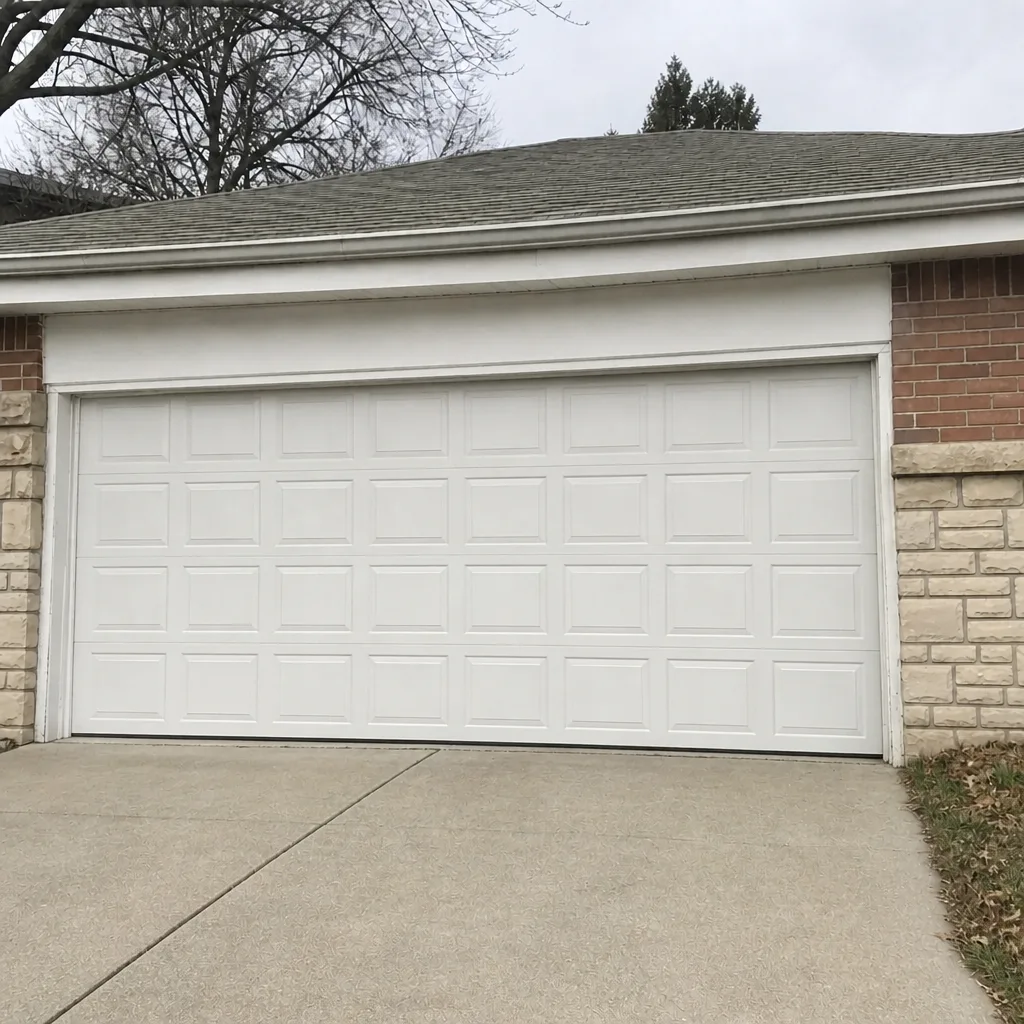 After
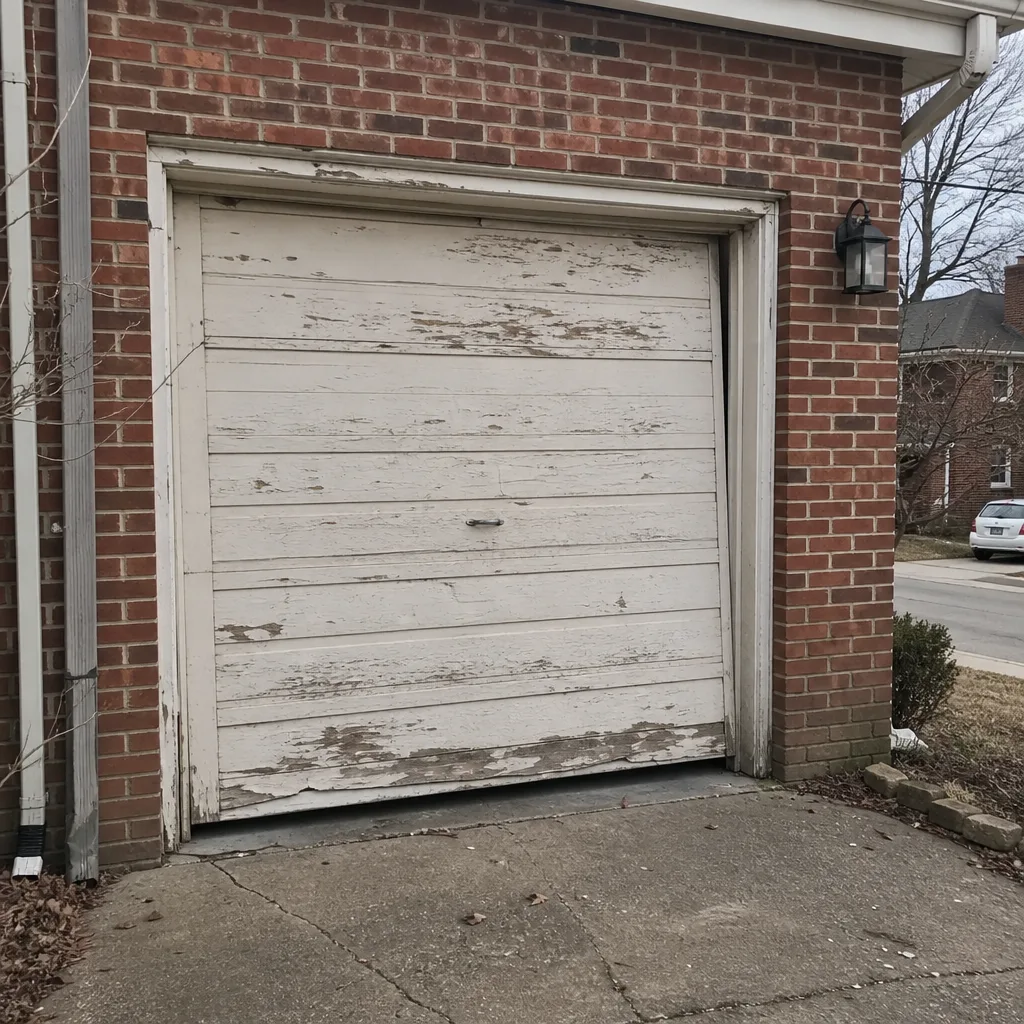 Before
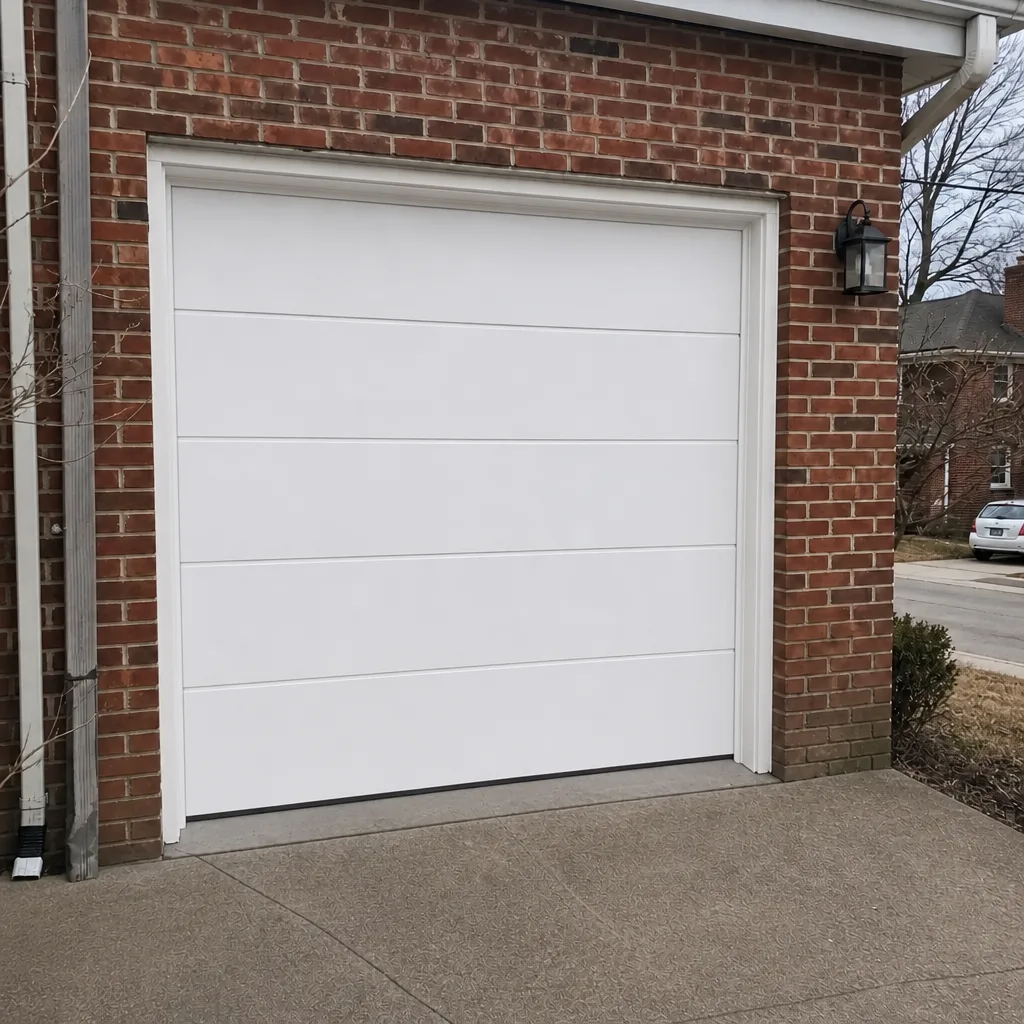 After
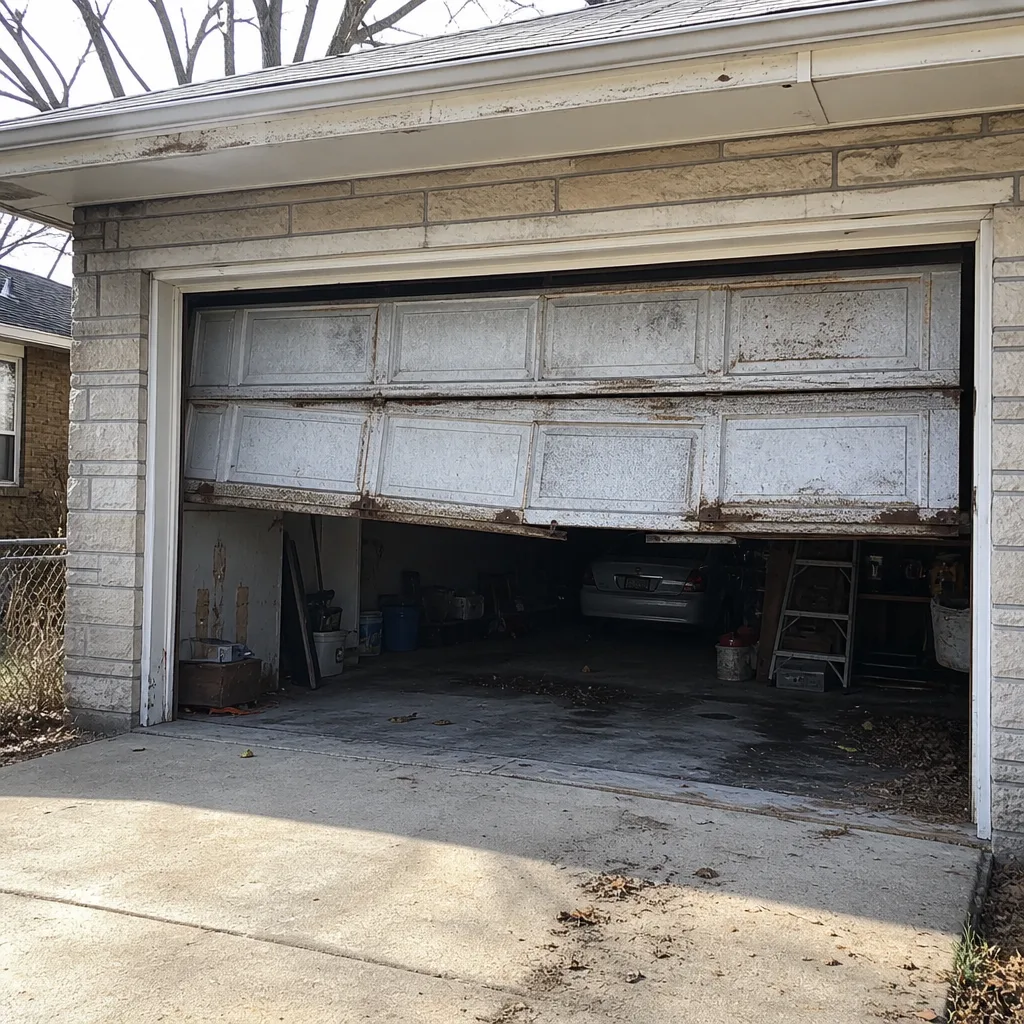 Before
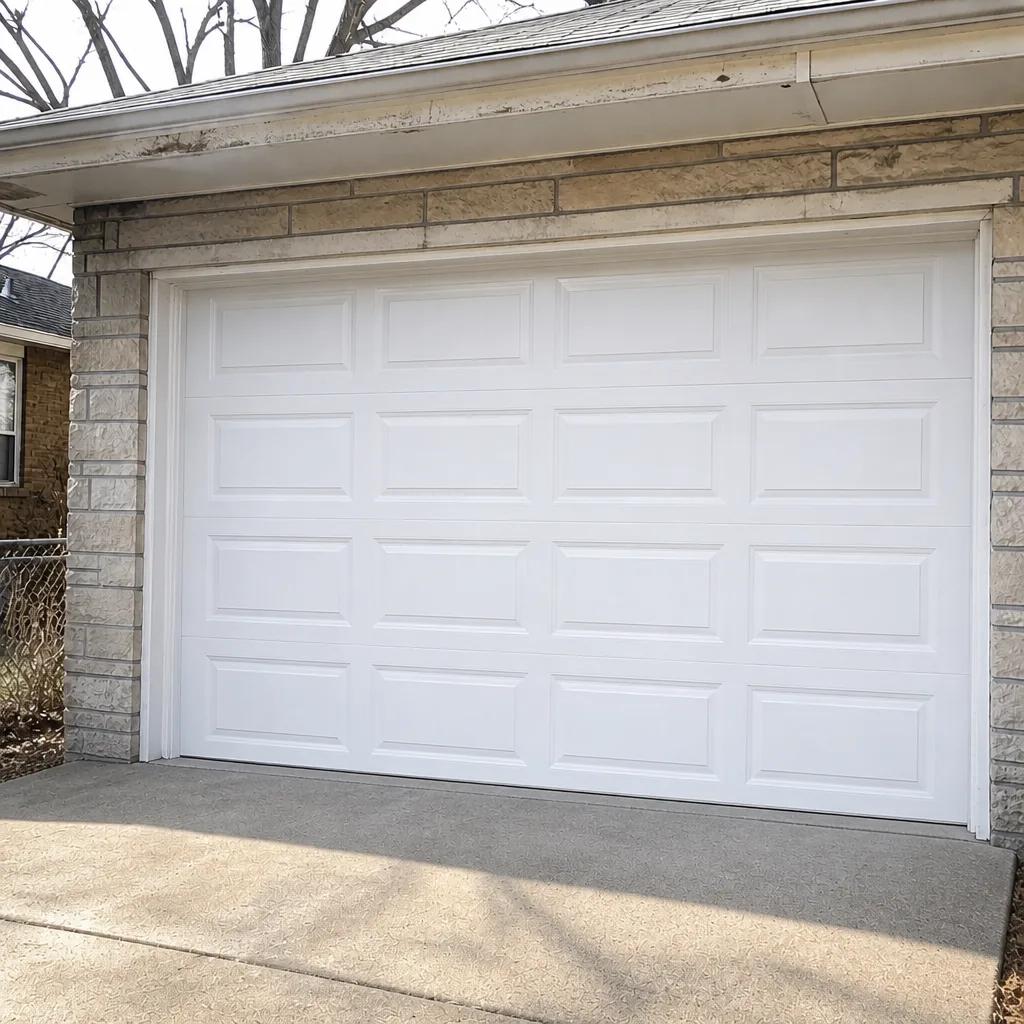 After
When to Call a Professional
Call a professional if the door won’t open and feels extremely heavy (spring suspicion), if a spring is visibly broken, if the door is stuck open or damaged and can’t be secured, if the sensor checklist didn’t resolve a won’t-close problem, or if the opener hums, grinds, or trips a breaker. Those situations need a trained technician with the right parts, and delaying them risks a bigger repair. For genuinely dangerous components – springs, cables, tracks under load, and opener wiring – stop and call rather than attempting the fix. For less urgent work, a free estimate lets you plan the repair on your schedule instead of in a panic. Garage Door Repair St. Louis Hills offers free estimates in St. Louis Hills – call (833) 991-7150. We work on the major brands, diagnose the whole assembly on one visit, and quote the price before any work starts.
Frequently Asked Questions
Most emergency garage door repairs in St. Louis Hills fall within typical ranges that depend on the specific failure – a spring repair, an opener repair, or a sensor or track fix each has its own estimate, and the written quote sets the final price. We give you that estimate before any work begins, so you know what you’re paying for and why. Call (833) 991-7150 for an exact quote – estimates are free.
For repair and emergency calls, same-day service is often available, and we can dispatch quickly once we know your door and opener brand and the symptom. We give you a realistic arrival window on the call – no vague promises. Call (833) 991-7150 and have your model numbers and a description ready to speed things up.
No – the price is quoted and agreed before any work starts. If the diagnosis reveals something different than we thought, we tell you and re-quote before anyone touches the door. You’re never left surprised by an invoice. Call (833) 991-7150 for a free estimate.
Stop operating the door, keep it closed if it’s down, and secure it with a track clamp if you need to leave it overnight. Don’t try to open or close it further, and don’t touch the spring or cable. Call in the morning for a free estimate, or sooner if the door is open and can’t be secured. Call (833) 991-7150.
Disengage the opener with the manual release and lift the door by hand. If it’s smooth and manageable, the door and springs are fine and the problem is in the opener or its power. If it’s extremely heavy, it’s a spring problem. Either way, once diagnosed, we repair or replace with the right part.
Yes. We’re factory-familiar with LiftMaster, Chamberlain, Genie, Craftsman, Clopay, Amarr, Wayne Dalton, and Raynor, which covers the large majority of doors and openers in St. Louis Hills homes. We also supply garage door parts directly, so a repair doesn’t stall waiting on a third-party order. Call (833) 991-7150 with your brand and model.
The Bottom Line
A garage door emergency doesn’t have to be a crisis if you know the protocol. The door that won’t close is usually a sensor problem, and the checklist in this guide resolves most of them. The door that won’t open is usually a spring, opener, or power issue, and the safe test is the manual lift that tells you which. A broken spring means stop operating the door, secure it, and call – never attempt the repair yourself. For a damaged or open door, secure it with a track clamp or manual lock and schedule the fix. Know your door and opener brand, keep the model numbers handy, and call (833) 991-7150 for a free estimate. We diagnose and repair the whole assembly in one visit, so your St. Louis Hills garage gets back to normal without guesswork.
Written by the team at Garage Door Repair St. Louis Hills.