Last updated November 21, 2026
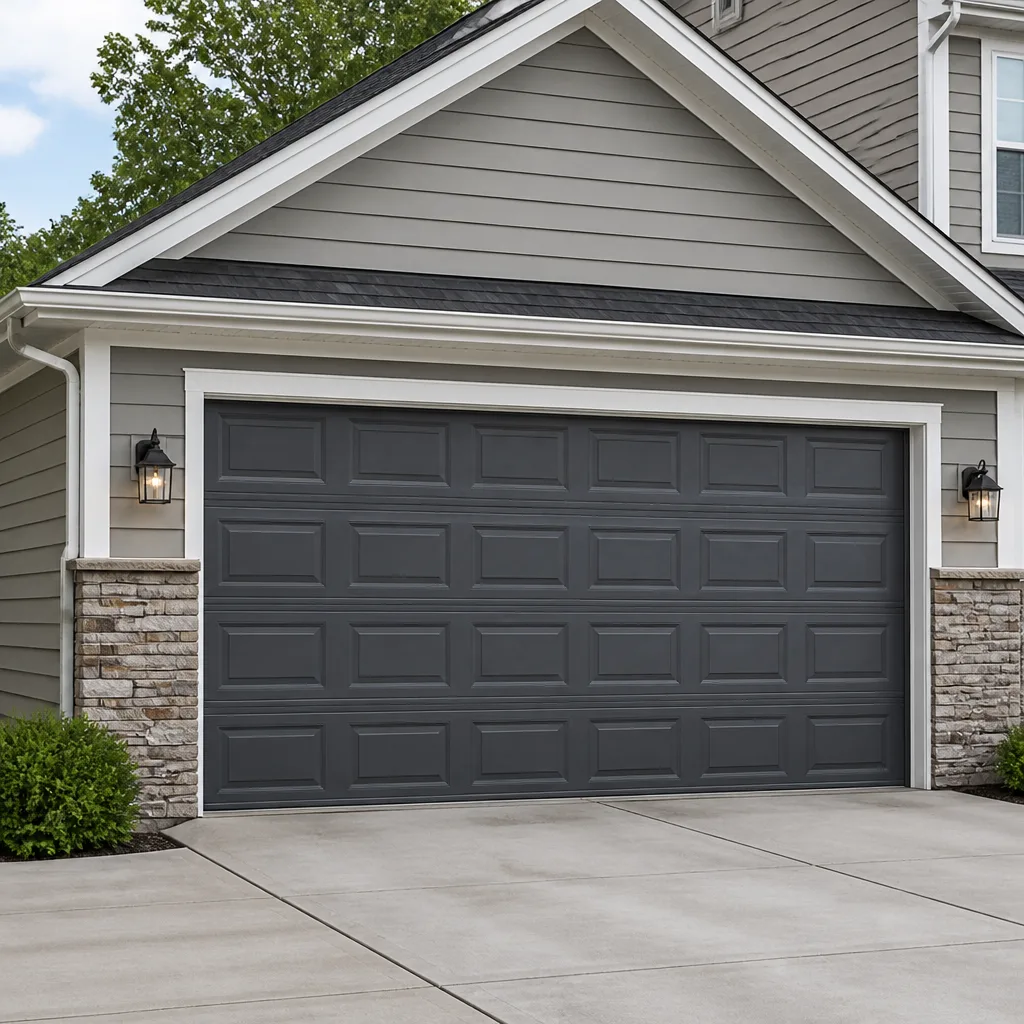 Raised-panel steel
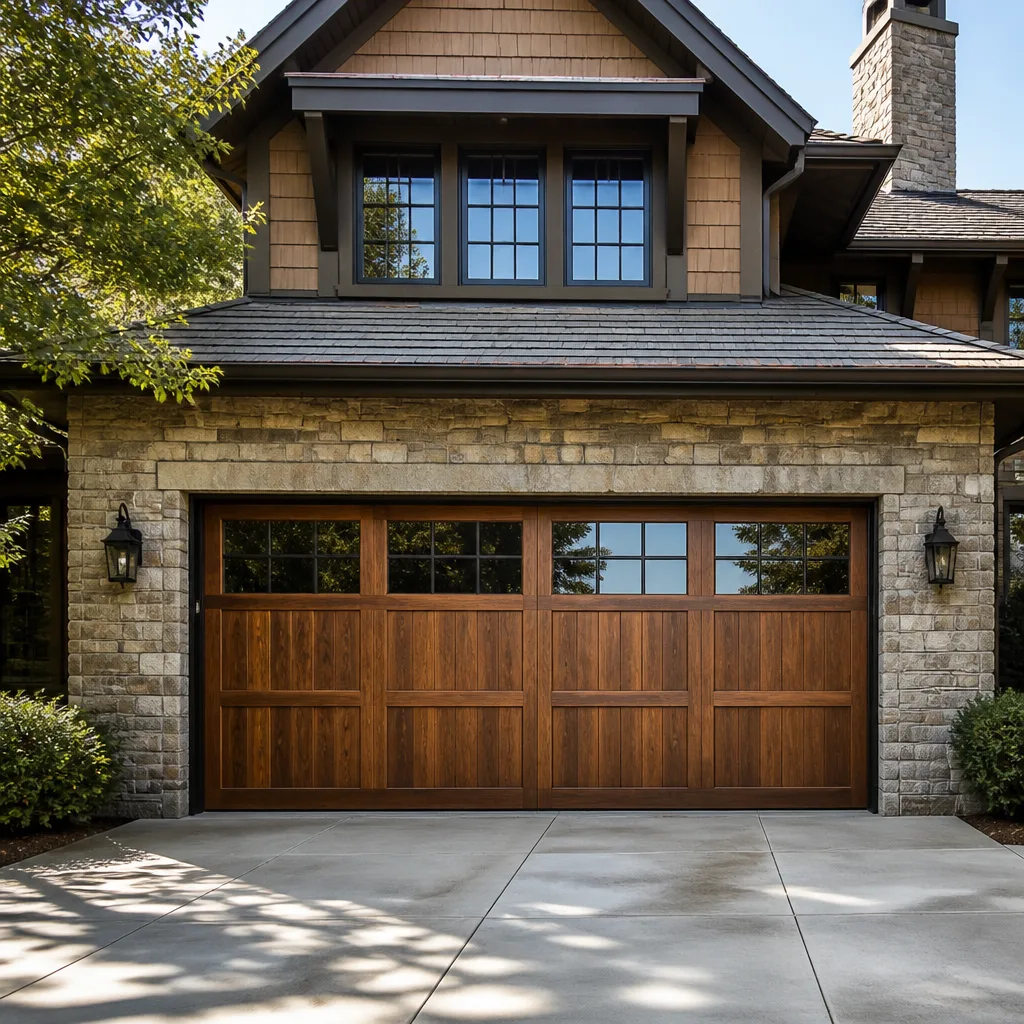 Carriage house
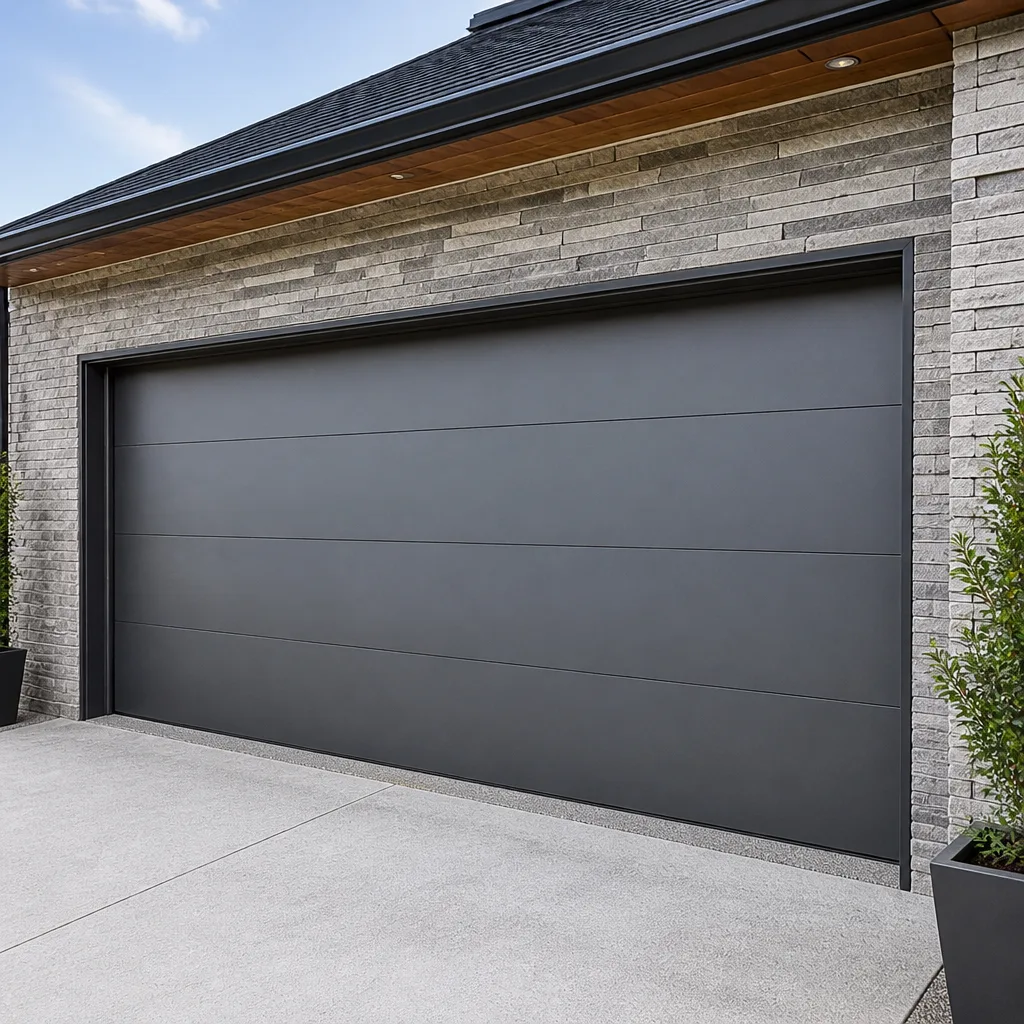 Modern flush
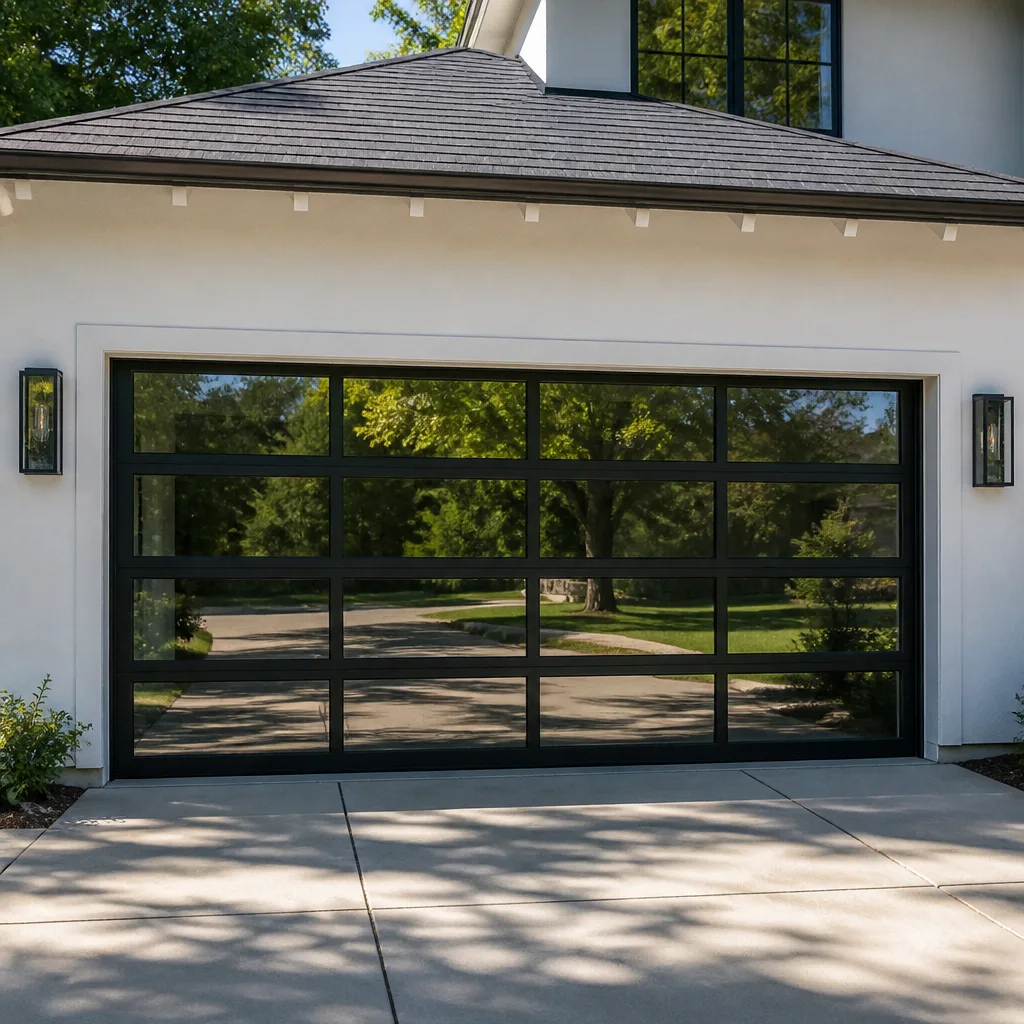 Full-view glass
 LiftMaster openers
 Chamberlain openers
Full 25-point door and opener safety check with every visit - springs, cables, rollers, tracks, and your LiftMaster or Chamberlain opener included
You get a price before we start. It does not change when the pro arrives.
Get your free estimateGarage Door Permits, Codes & Inspections in St. Louis Hills, MO: What You Need to Know
Most homeowners in St. Louis Hills assume a garage door is a simple swap. It’s a door, it goes up and down, and the guy who installs it handles whatever paperwork comes with it. That assumption is where the trouble starts. This guide walks through what the City of St. Louis actually requires for garage door replacement, opener replacement, and structural changes, when a permit is truly needed and when it isn’t, and how the inspection process works for a residential job. You’ll also learn what “attached garage” means for code purposes, how to check permit history on a property before you buy, and what a gap in the records should tell you.
Quick Answer
A straight replacement of a garage door with a same-size door on an attached garage in St. Louis Hills generally requires a permit and a subsequent inspection, while like-for-like opener repair or replacement can often be handled without one. Structural changes – widening the opening, altering the header, cutting into a load-bearing wall – always require a permit and engineering review. For anything ambiguous, the City of St. Louis building department is the final authority, and a quick call to them saves you months of headaches at closing.
Styles & brands we work with
- Raised-panel steel
- Carriage house
- Modern flush
- Full-view glass
- LiftMaster openers
- Chamberlain openers
Table of Contents
- When does a garage door project need a permit in St. Louis Hills?
- What “attached garage” means for fire-rated doors and code compliance
- How the City of St. Louis inspection process works for residential garage work
- What a contractor must pull vs. what a homeowner can self-permit in Missouri
- How to check permit history before buying a St. Louis Hills home
- What unpermitted garage work does to a resale
- Brands, parts, and the paperwork that comes with them
- Step-by-step: how to file and what to expect
When Does a Garage Door Project Need a Permit in St. Louis Hills?
The short answer: it depends on what’s actually changing. The City of St. Louis distinguishes between maintenance and repair on an existing door, a replacement of a door with an identical or near-identical unit, and a structural modification to the opening or framing. Each of those categories has its own threshold, and homeowners routinely confuse them.
Replacement-in-kind is the gray zone. If you’re pulling out an existing door and sliding a new one into the same opening with the same dimensions, same track configuration, and same attachment points, many municipalities in the St. Louis region don’t require a permit – but that’s a local call, and St. Louis City is stricter than the surrounding county on attached-garage work. When the door sits on an attached garage, the fire separation between the garage and your living space is part of the building’s life-safety system, and any change that touches the door, its frame, or the header near that wall gets more scrutiny.
Where a permit is almost always required:
- Any structural modification. Widening the opening, replacing the header, changing the rough framing, or cutting into a load-bearing wall.
- Installing a door in a wall that didn’t previously have one. A new opening in an existing wall means structural review.
- Changing the door type in a way that affects the fire-rated assembly between an attached garage and the living space.
- Electrical work that adds a new circuit for an opener. Swapping an opener on an existing outlet is typically maintenance; running new wiring is not.
Where a permit is usually not required:
- Replacing a torsion spring, cable, roller, or hinge on an existing door.
- Replacing an opener with a new unit on the same circuit and same attachment points.
- Routine repair of an existing door that keeps its size, configuration, and location.
We work on doors every week in St. Louis Hills, and the honest answer is that no two homes are identical. Our team can walk you through the typical categories and what to ask the city, but the building department is the agency that decides. Reach out if you want a professional read on your specific project before you call them, and we’ll save you a phone call if we can.
What “Attached Garage” Means for Fire-Rated Doors and Code Compliance
The phrase “attached garage” sounds like real estate jargon, but it has specific meaning in building code. An attached garage shares at least one wall or one ceiling assembly with the conditioned space of the house. That’s different from a detached garage, a garage connected only by a covered breezeway, or a garage tucked under a separate roofline. The distinction matters because the shared wall becomes a fire separation assembly, and the door between the garage and the house, along with the walls, ceiling, and any penetrations, must be built to resist the spread of fire and carbon monoxide into the living area for a defined period.
Most St. Louis Hills homes with an attached garage have a solid-core or fire-rated door between the garage and the kitchen or hallway. Depending on the home’s era, that door may be a 20-minute or 90-minute rated assembly. The garage’s vehicle door is a separate requirement: it must be fire-rated when it’s the only barrier between the garage and the exterior of an attached structure where the wall is close to the property line or the neighboring structure.
What this means in practice for a St. Louis Hills homeowner:
- Replacing a fire-rated vehicle door with a non-rated door can technically invalidate the assembly and become a code violation at inspection or resale.
- Adding a pet door, service door, or window to a fire-rated door can compromise the rating.
- If the door between the garage and the house is damaged or missing, that’s a separate issue from the vehicle door and needs to be addressed as part of the same project.
- An attached garage with a living space above it has additional separation requirements between the garage ceiling and the floor above.
The climate in St. Louis Hills makes this more than a paperwork issue. Summers bring heat and humidity, and winters bring freeze-thaw cycles that work on door seals and weather stripping. A rated door that has lost its seal performs poorly on both fire separation and insulation, which is why we always check the seal and weather stripping during any inspection response. If you’re unsure whether your existing door is rated, the door’s certification label, typically on the inside jamb, will tell you. If the label is missing, the manufacturer’s documentation for your door model is the next place to look.
A typical inspection response starts with confirming the door model against the submittal documents, checking the fire label, and verifying that the operator and hardware don’t compromise the assembly. We carry the certification paperwork that accompanies every new door we supply, and we know the labels to look for on Amarr and Wayne Dalton units, two of the brands we work with most often on St. Louis Hills homes.
How the City of St. Louis Inspection Process Works for Residential Garage Work
The City of St. Louis handles residential garage work through its permit and inspection process, which runs in two main stages: plan review and field inspection. The exact timelines depend on the current workload at the building department, and turnaround fluctuates season to season, so we always tell homeowners to build buffer into their project calendar rather than promise a number. The pattern, though, is consistent.
Here’s how the process typically unfolds:
- Permit application and plan review. You or your contractor submits the application along with drawings, door specifications, and the manufacturer’s submittal documents. Plan review checks that the door and framing meet the applicable code.
- Permit issuance. Once plan review clears, the permit is issued and posted at the site. Work can begin.
- Rough inspection. If the project involves framing changes or new electrical, an inspector may need to see the work open before the door goes in.
- Final inspection. After installation, the inspector verifies that the door installed matches the permit and the submittal documents, that the fire rating is intact where required, and that the operator, safety reverse, and photo-eye systems are functioning.
- Closeout. The permit is signed off and the record stays in the city’s system for future reference, which becomes important at resale.
For replacement-in-kind work that doesn’t trigger a permit, there’s no inspection stage – the work is simply done and documented by the contractor. That’s fine, but keep the invoice and the door model documentation in your home file. If you ever sell the house and an inspector asks about the garage door, a dated invoice from a licensed contractor goes a long way.
The inspection itself is usually quick for a straightforward replacement. The inspector is checking compliance, not workmanship, so a poorly installed door that technically meets code may still pass while causing problems down the line. That’s why we always calibrate the safety reverse, balance the door properly, and check the spring tension regardless of what the inspection requires. Our technicians have up to 13 years of experience, and we’ve seen enough doors that pass inspection and fail in the driveway to know the difference matters.
What a Contractor Must Pull vs. What a Homeowner Can Self-Permit in Missouri
Missouri is a “homeowner’s state” in the sense that a homeowner can generally pull permits for work on their own primary residence, provided they’re doing the work themselves and using the home as their residence. That’s a useful option for a homeowner installing a door with a helper. It’s not the right option for most people, though, because the homeowner who pulls the permit also becomes the person the inspector expects to answer technical questions about framing, fire ratings, and code compliance.
For a garage door replacement on an attached garage in St. Louis Hills, the practical division looks like this:
- Contractor responsibility: A licensed contractor is required to pull the permit for work their company performs. That’s the straightforward path, and it means the permit is in the contractor’s name and the inspection record sits behind a licensed firm.
- Homeowner self-permit: A homeowner doing their own work on their own residence can often pull the permit themselves. They take on the compliance responsibility and the inspection interaction.
- Electrical: Adding a new circuit for an opener is electrical work. That typically requires a licensed electrician in Missouri, even when the homeowner is otherwise handling the door install.
- What a contractor can’t do: A licensed contractor cannot pull a permit for work you’re doing yourself, and vice versa. The permit has to match who’s doing the work.
When you hire a company for Garage Door Repair St. Louis Hills, the permit paperwork is part of the job. We pull it, we keep the submittal documents on file, and we walk you through what the inspector will check during the final visit. If a project doesn’t require a permit, we tell you that in writing so you have a record for your home file and for any future buyer’s inspector.
The other thing to know is that a contractor pulling a permit isn’t the same as a contractor being licensed to do the work. The City of St. Louis requires the contractor to be registered or licensed for the scope of work, which is one of the things a permit review checks. If a contractor offers to skip the permit to save you time or money, that’s a signal about how they operate in general, and it’s worth treating it as one.
How to Check Permit History Before Buying a St. Louis Hills Home
Before you close on a St. Louis Hills home, pull the permit history. The City of St. Louis maintains permit records by address, and you can request them directly from the building department. It’s a simple step that most buyers skip, and it’s the single best way to spot unpermitted garage work before it becomes your problem.
What to look for:
- Matches between garage work and permit records. If the seller’s disclosure mentions a new garage door, garage door opener replacement, or “garage renovation,” there should be a matching permit and a final inspection on file for at least the door replacement and any structural component.
- Gaps in the record. A door that clearly looks newer than the rest of the garage, with no permit or final inspection on file, is a red flag. It could be replacement-in-kind that legitimately didn’t need a permit, or it could be unpermitted structural work.
- Inspection status. A permit that was issued but never passed final inspection is an open item. Sometimes that’s a job the contractor walked away from; sometimes it’s a clerical loose end. Either way, it needs to be closed before closing.
- The door between garage and house. If the door assembly is fire-rated on the plan but not on the door in the house, that’s a compliance gap that will likely surface at inspection.
If you find a gap, don’t panic. The fix is usually to document the existing condition or bring the work into compliance through a retroactive permit process. The cost and timeline depend on what’s actually there. What you don’t want is to discover the gap three days before closing, when you have no leverage and the seller has no time. Ask your real estate agent to request the permit history early in the due-diligence window, and if the records don’t line up, get a professional opinion before you commit.
We’ve walked plenty of St. Louis Hills buyers through this exact scenario. Our team can assess a garage door and its installation and tell you whether the door looks compliant with the submittal documents, which is often what an inspector needs to see. It’s a small step that saves a lot of friction.
What Unpermitted Garage Work Does to a Resale
Unpermitted garage work surfaces at resale in one of two ways: the buyer’s inspector flags it during due diligence, or the buyer’s lender raises it during the appraisal. Either way, the seller ends up documenting or remediating work they or their contractor should have handled at installation. At best, you’re chasing down receipts and photos from a contractor who may not remember the job. At worst, you’re facing a buyer who wants a credit or a walk.
The specific risks for garage work:
- Retroactive permitting. Getting a permit after the fact usually requires a field verification, and the inspector may require changes to bring the work into compliance. That can mean replacing hardware, adding fire-rated components, or even removing and reinstalling the door.
- Insurance questions. If a fire starts in a garage and the door or fire separation isn’t compliant, the insurer will ask about the work. Whether they cover the loss depends on the policy and the facts, but you don’t want to be explaining an unpermitted installation while the claim is being adjusted.
- Buyer’s lender pushback. Some lenders flag unpermitted structural work and require it to be permitted or documented before they’ll fund the loan.
- The “why was it skipped?” question. A buyer who sees unpermitted work tends to assume shortcuts were taken elsewhere in the house. That affects negotiating position even if the garage door itself is fine.
The good news: a licensed contractor pulling a permit and passing inspection is not expensive relative to the rest of the garage door project. The trouble is almost entirely the after-the-fact scramble. Handle it at the front end and it stays a non-issue. Our team is happy to talk through the permit question before work starts so you’re making the call with real information instead of an assumption.
Brands, Parts, and the Paperwork That Comes With Them
When a permit requires submittal documents, the door’s brand and model matter. New doors ship with installation instructions, certification labels, and often a listing certificate that identifies the assembly as fire-rated when installed as part of a rated wall. Those documents go to the plan reviewer. If the door is a substitution or a model change mid-project, the paperwork has to follow the change.
We work with Amarr, Wayne Dalton, Craftsman, and Raynor doors regularly, and we can supply the manufacturer’s documentation to accompany a permit application. The same applies to the operator: a LiftMaster or Genie opener on an existing circuit usually doesn’t require submitted documentation, but the door itself does. On a fire-rated assembly, the model of the door and the model of the operator need to be internally consistent, and we check that before we submit.
If a permit requires a change to the door, the brand and model determine what’s available to substitute. A door that meets a fire rating is not the same as a door that doesn’t, even when both are the same size and similar price. We work through garage door installation on St. Louis Hills homes with the certification labels in hand, so nothing has to get re-ordered when the inspector arrives. The right part and the right paperwork, on the same visit.
Opener replacement is often the simpler part of the project. If you’re replacing a dead opener on an existing circuit, our garage door opener repair services typically don’t require a permit, and the work is straightforward. If the opener replacement is part of a larger door project that’s permitted, the opener itself becomes part of the submittal package and the operator’s safety features get inspected along with the door.
Step-by-Step: How to File and What to Expect
Here’s the process in sequence, whether you’re filing for a permitted replacement or checking whether your project needs a permit at all:
- Start with a door assessment. Confirm the door’s size, model, fire rating (if applicable), and current condition. This determines whether your project is replacement-in-kind or a modification.
- Check the fire label. Look on the door’s inner jamb for the certification label. If the label is missing or illegible, look up the manufacturer’s documentation for the model.
- Call the City of St. Louis building department. Describe your project in plain terms: attached garage, door replacement, same size, existing opener. Ask specifically whether a permit is required and what documentation they want.
- Collect submittal documents. Manufacturer’s installation instructions, door specification sheet, certification labels, and any fire-rating certificates go into the permit application.
- Submit the application. A licensed contractor can submit on your behalf. If you’re doing it yourself, submit under your name as the homeowner.
- Complete the work. Follow the submittal documents and the permit conditions.
- Schedule the inspection. Final inspection typically follows completion. Be present if you can; the inspector can walk you through their findings on the spot.
- File the closeout. Keep the signed-off permit, the door documentation, and the contractor’s invoice together in your home file.
Turnaround on the City of St. Louis side depends on the department’s current workload. We don’t promise a specific number of days because the number moves, but we do tell you at the estimate stage what we’ve seen recently so you can plan. If you want an exact timeline, the building department is the source. What we can do is make sure the paperwork we submit is complete so it doesn’t sit in review for a missing document.
For garage door repair work that’s maintenance rather than replacement, there’s no permit step. Spring replacement, cable replacement, roller and hinge repair, and opener repair all fall into the no-permit category, and we handle them directly. If you’re unsure which bucket your project lands in, a quick call sorts it out.
Common Mistakes to Avoid
- Assuming “same size” means “no permit.” A same-size replacement on an attached garage can still require a permit and a final inspection, especially if the door is part of a fire-rated assembly. Ask the city rather than assuming.
- Skipping the permit because the contractor said it wasn’t needed. Contractors disagree about permit thresholds too, and the city has the final say. Get the answer from the building department in writing if you can.
- Replacing a fire-rated door with a non-rated model. This happens often when homeowners shop on price. The new door looks identical but the fire label is missing, and that’s a compliance problem at inspection and resale.
- Hiring an unlicensed contractor for permitted work. If the contractor isn’t licensed for the scope, the permit application won’t clear review. Check the contractor’s credentials before you sign.
- Losing the paperwork. Keep the permit closeout, the door documentation, and the invoice. A buyer’s inspector will ask, and the paperwork is easier to produce than to reconstruct.
- Ignoring an open permit on a home you’re buying. An open permit on record is a red flag until it’s closed. Ask about it during due diligence, not after closing.
- Skipping the permit because the work happens fast. A garage door install can be a single-day job in St. Louis Hills, which makes it feel like it doesn’t need paperwork. The speed of the work doesn’t change the permit requirement.
See the difference
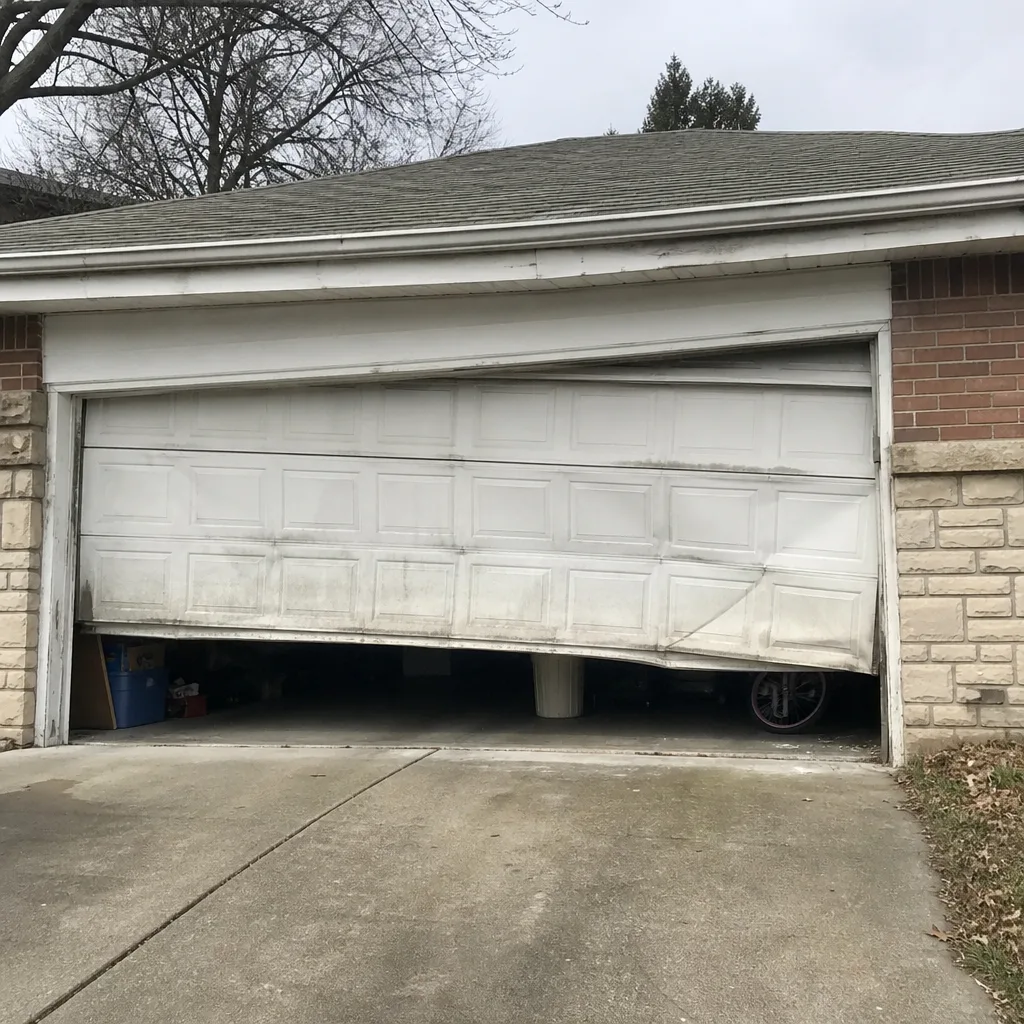 Before
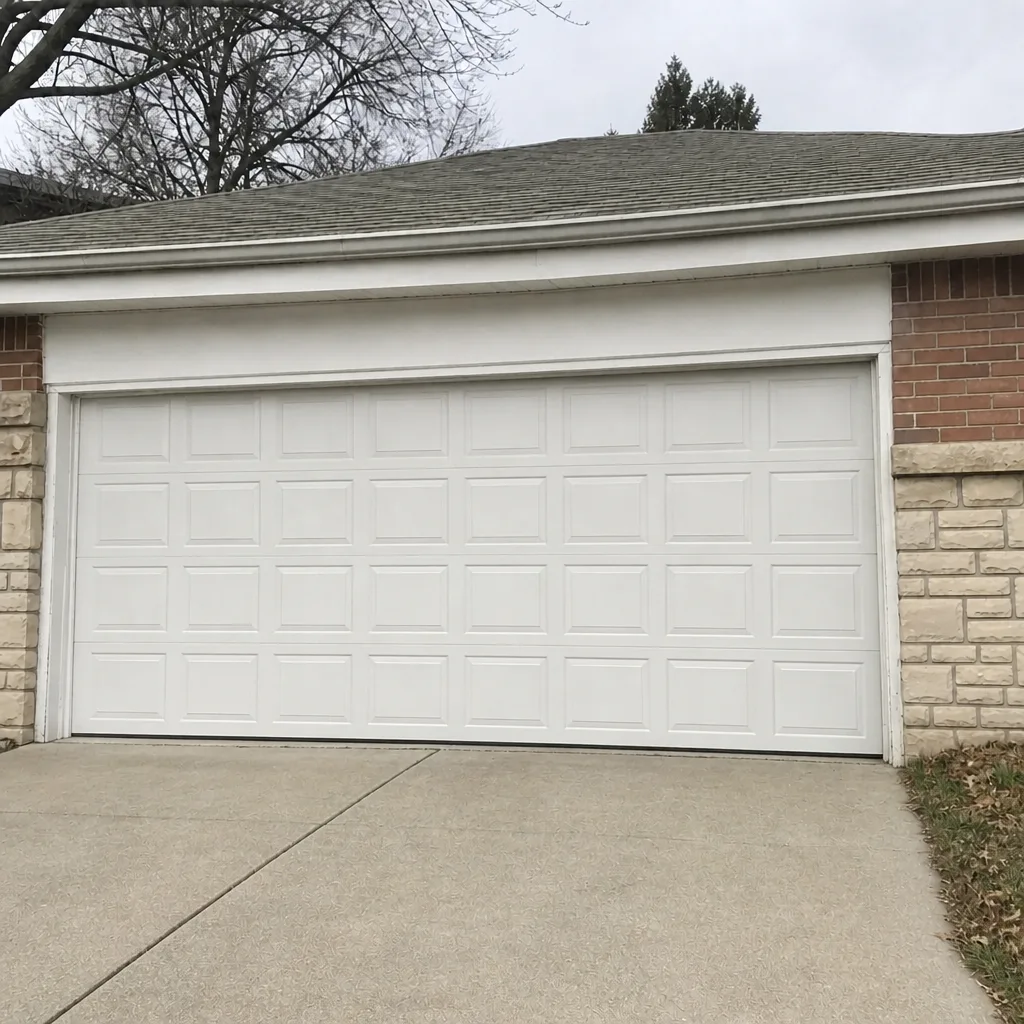 After
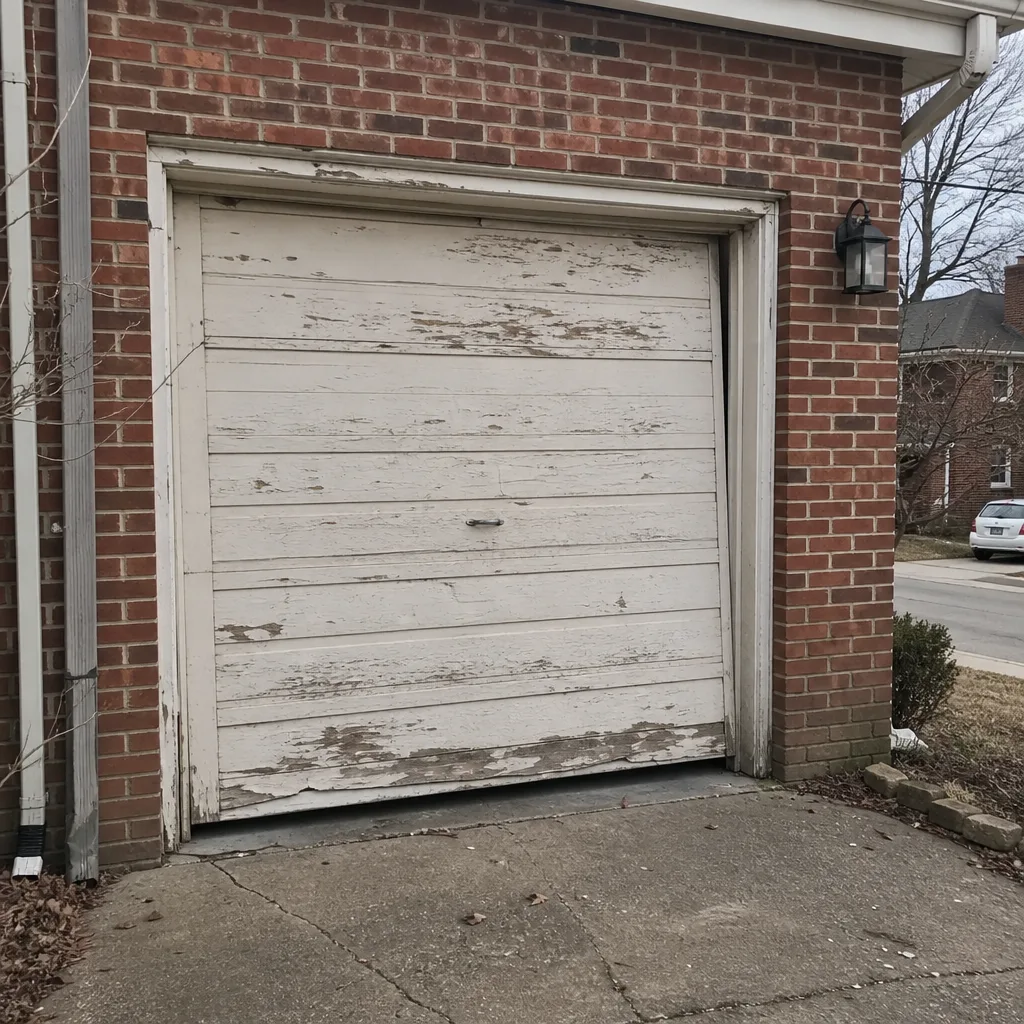 Before
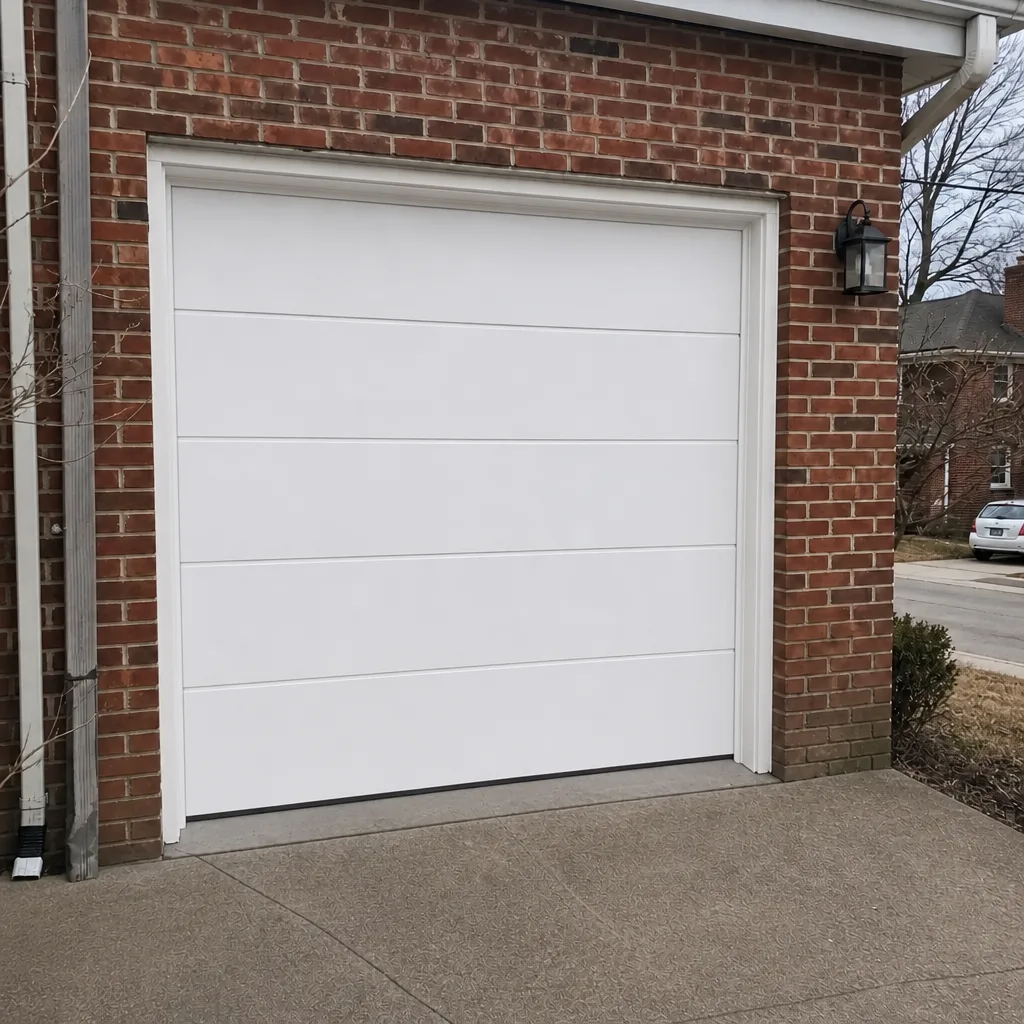 After
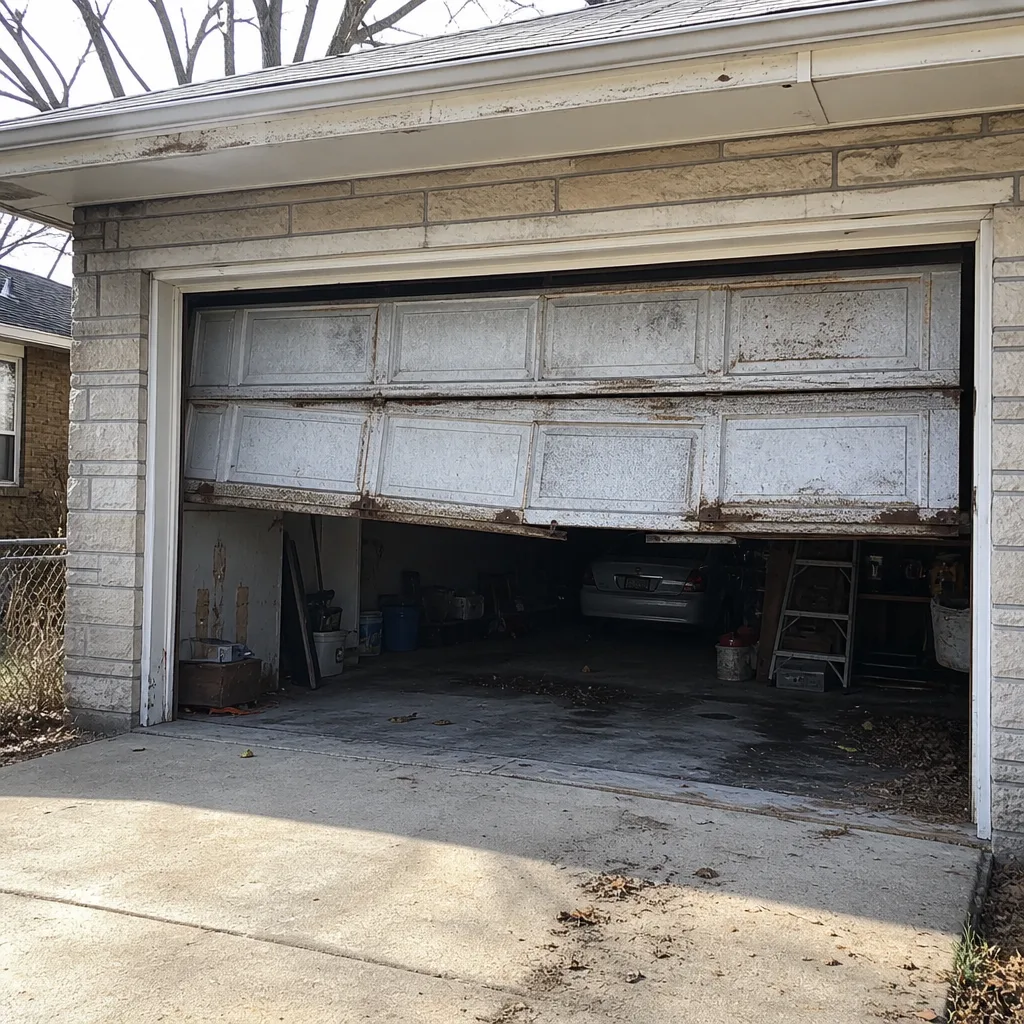 Before
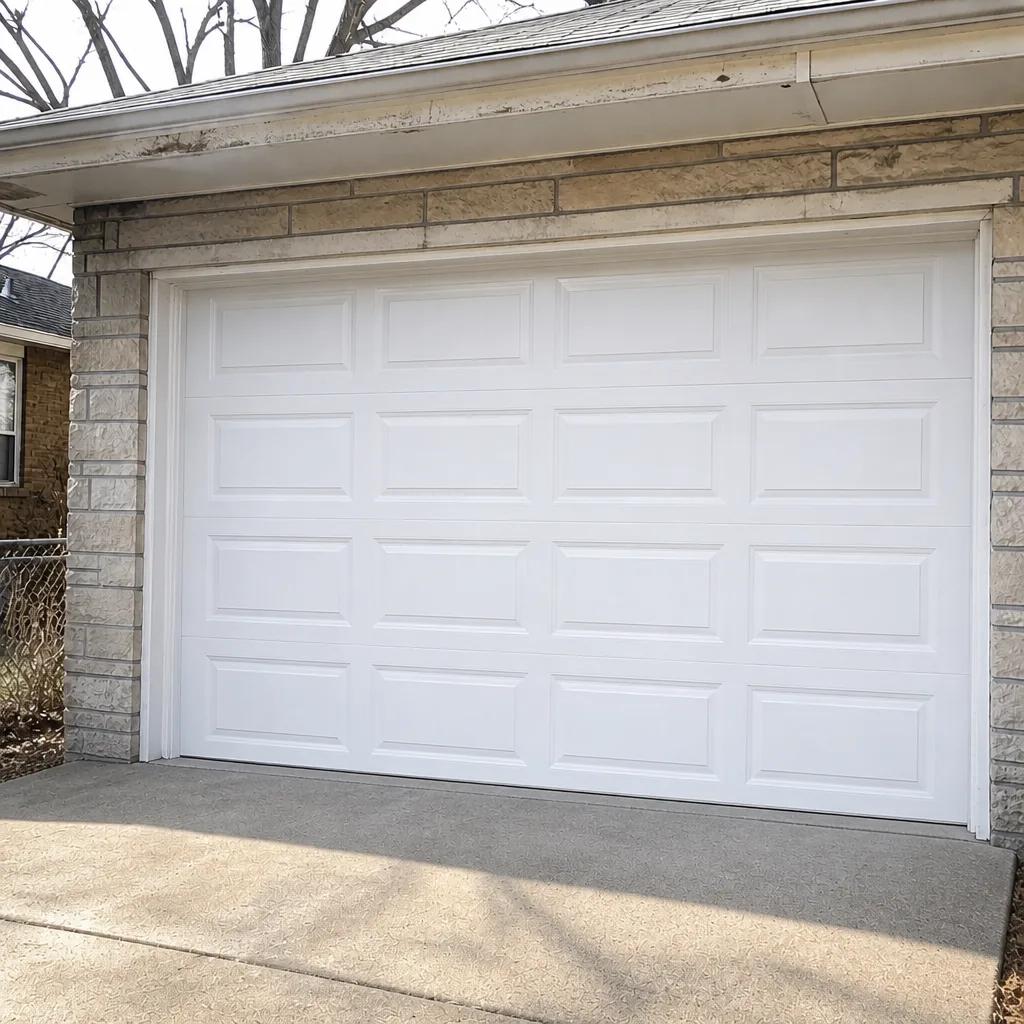 After
When to Call a Professional
Call a professional when the project involves structural changes, a fire-rated assembly, or any ambiguity about the permit threshold. Springs and cables are the most dangerous components in your garage door system and should only be touched by a trained technician; a torsion spring under tension can cause serious injury if it’s released incorrectly. Electrical work for a new opener circuit should go to a licensed electrician. And any time you’re unsure whether your project needs a permit, a professional opinion before you start costs far less than a retroactive fix after. Garage Door Repair St. Louis Hills offers free estimates in St. Louis Hills – call (833) 991-7150 to get a straight answer about your project before you commit.
Frequently Asked Questions
It depends on the door’s location and the scope of work. A same-size replacement on an attached garage in St. Louis City generally requires a permit and a final inspection, while a detached garage or simple maintenance typically doesn’t. Call the City of St. Louis building department to confirm your specific project, or call us at (833) 991-7150 for a professional read before you file.
An attached garage shares a wall or ceiling with the living space, which turns the shared assembly into a fire separation and adds requirements for the door between the garage and the house and, in some cases, the vehicle door. A detached garage doesn’t share that assembly, so the fire-rating requirements are different. If you’re unsure which category your St. Louis Hills garage falls into, we can help you sort it out during a free estimate.
Turnaround varies with the department’s workload, so we don’t quote a fixed number of days. The process runs through plan review and a final inspection, and complete submittal documents are the biggest factor in keeping it moving. Call (833) 991-7150 and we’ll tell you what we’ve seen recently so you can plan your project realistically.
In Missouri, a homeowner doing their own work on their primary residence can often pull the permit in their own name. If a contractor is doing the work, the contractor pulls the permit. The permit has to match who’s doing the work, so choose the path before you start. We pull permits on the projects we install and can walk you through the options.
The buyer’s inspector will typically flag it during due diligence, and the fix is to document the work properly or bring it into compliance through a retroactive permit. That can delay closing while you chase receipts from a contractor who may not remember the job. Handle it at installation and it never becomes a resale problem.
Replacing an opener on an existing outlet and existing circuit is typically maintenance and doesn’t need a permit. Adding a new electrical circuit for the opener does, and that part usually requires a licensed electrician. Call (833) 991-7150 if you want an exact call on your setup before you buy the opener.
The Bottom Line
St. Louis Hills homeowners skip permits more than they should because garage doors feel like simple swaps, and the resale consequences are the expensive part. Replacement-in-kind on an attached garage usually needs a permit and a final inspection, structural changes always do, and opener repair or replacement on an existing circuit usually doesn’t. Check the door’s fire label, keep the paperwork in your home file, and check permit history before you buy. If you’re not sure where your project lands, a professional opinion before you start saves a retroactive scramble. Call (833) 991-7150 for a free estimate and a straight answer about your St. Louis Hills garage door.
Written by the team at Garage Door Repair St. Louis Hills.